
Lettuce Slimy: Wet Weather Rot plus Spacing
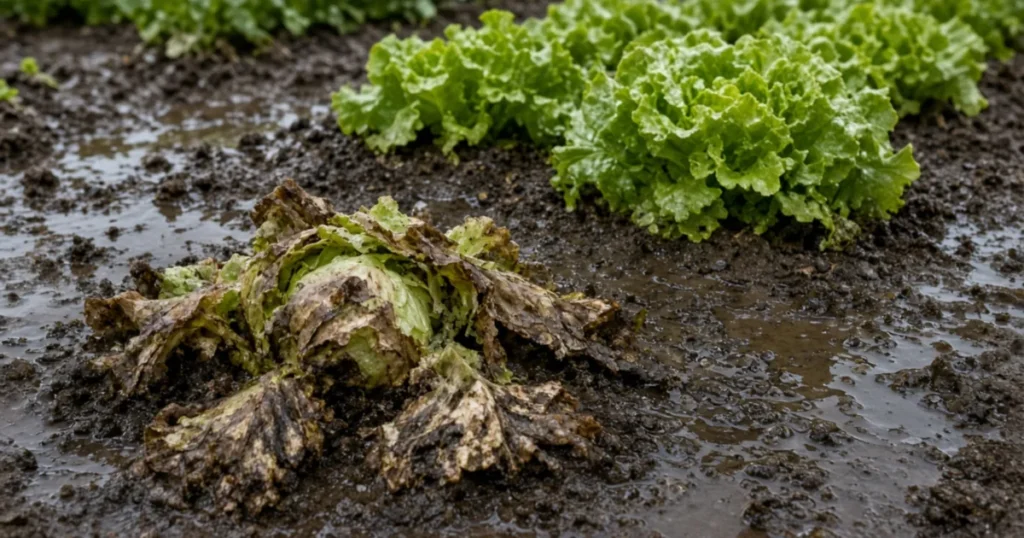
Lettuce slimy at the crown or lower leaves usually points to bacterial soft rot. University of Wisconsin Madison Extension notes soft rot starts as water soaked spots plus is more of a problem during wet weather.
The short answer
Slimy lettuce is most often bacterial soft rot, which enters through wounds plus spreads in wet conditions. Wisconsin Extension notes avoiding wet conditions is key. It advises well drained soil, even watering plus wider spacing so plants dry fast. Harvest only in dry weather plus avoid bruising leaves.
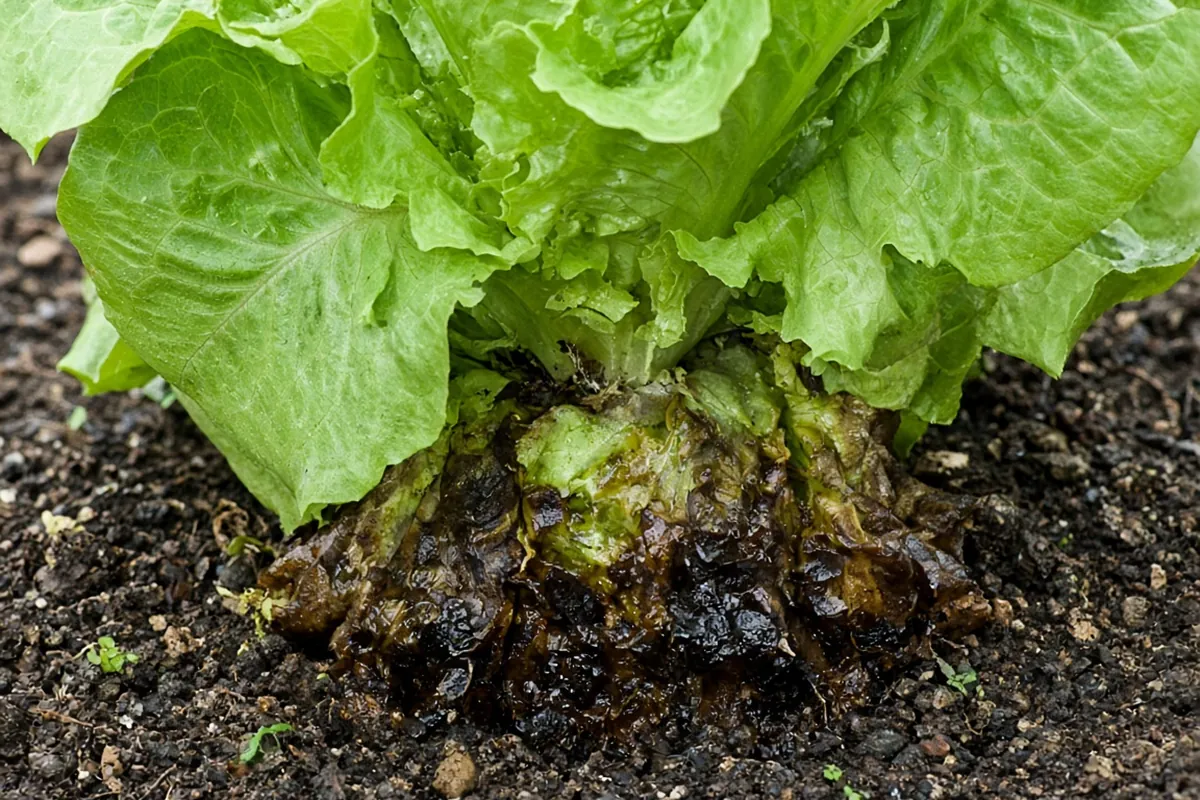
What makes lettuce turn slimy?
University of Kentucky Extension notes bacterial soft rot causes slimy decay, with leaf plus crown tissue turning water soaked plus slimy, known as jelly butt. Wisconsin notes the bacteria enter through wounds from tools, insects plus hail. Kentucky also notes lettuce drop, a soil fungus, leaves plants soft plus mushy.
How does spacing affect rot?
Wisconsin advises against crowding plants because wider spacing promotes faster drying of plants plus soil. Clemson Extension advises leaf lettuce 6 to 10 inches apart in rows 1 to 2 feet apart. Space head lettuce 12 inches apart in rows 3 feet apart. Clemson advises watering in the morning so foliage is dry before dark.
| Factor | Target | Source |
|---|---|---|
| Leaf lettuce spacing | 6 to 10 inches | Clemson |
| Head lettuce spacing | 12 inches | Clemson |
| Watering time | Morning | Clemson |
| Soil | Well drained | Wisconsin |
| Harvest | Dry conditions only | Wisconsin |
| Worst decay | 70 to 80°F | Wisconsin |
Source: UW Madison Extension, UK Extension plus Clemson HGIC.
How do you clear slimy plants?
Kentucky advises removing dead, dying plus diseased plants as soon as possible. Wisconsin advises against burying or composting soft rotted material plus advises washing hands with soap plus water after handling it. For lettuce drop, Kentucky advises rotating out of susceptible hosts for at least 3 years.
NC State Extension notes lettuce likes moist, well drained soils plus has a shallow root system. It thrives in cool spring plus fall weather.

How to: step by step
- Plant in well drained soil.
- Thin plants to the spacing above.
- Water in the morning plus water evenly.
- Avoid splashing water over beds.
- Harvest in dry weather only.
- Pull slimy plants from the bed right away.
Troubleshooting
Slimy crown: soft rot. Kentucky advises good drainage plus removing affected plants.
Rot after rain: crowding. Wisconsin notes wider spacing dries plants faster.
Collapse with black bodies at the crown: lettuce drop. Kentucky advises a 3 year rotation.
For water see the guide to overwatering and cannabis growth plus underwatering cannabis. Read the effects of environmental stresses on weed plants plus mulch for cannabis. Kind Seed Co also stocks cannabis seeds.
Sources
- Bacterial soft rot, University of Wisconsin Madison Extension
- Common lettuce diseases in Kentucky (PPFS-VG-53), University of Kentucky Plant Pathology Extension
- Lettuce, Clemson Cooperative Extension, HGIC
- Lactuca sativa (lettuce), NC State Extension Gardener Plant Toolbox
FAQ
When should lettuce be harvested to limit rot?
University of Wisconsin Madison Extension advises harvesting only during dry conditions plus avoiding damage while weeding or harvesting.
Should rotted lettuce go in compost?
No. Wisconsin Extension advises against burying or composting soft rotted material.
Does drainage matter for slimy lettuce?
Yes. Kentucky Extension advises maintaining appropriate moisture plus adequate drainage to limit bacterial soft rot.
What temperature speeds soft rot?
Wisconsin notes soft rot occurs over a wide range, with the worst decay between 70 plus 80°F.
When should lettuce be watered?
Clemson Extension advises watering in the morning so foliage is dry before dark plus holding moisture uniform.



