Lilac vs Butterfly Bush: Bloom Time Plus Pruning
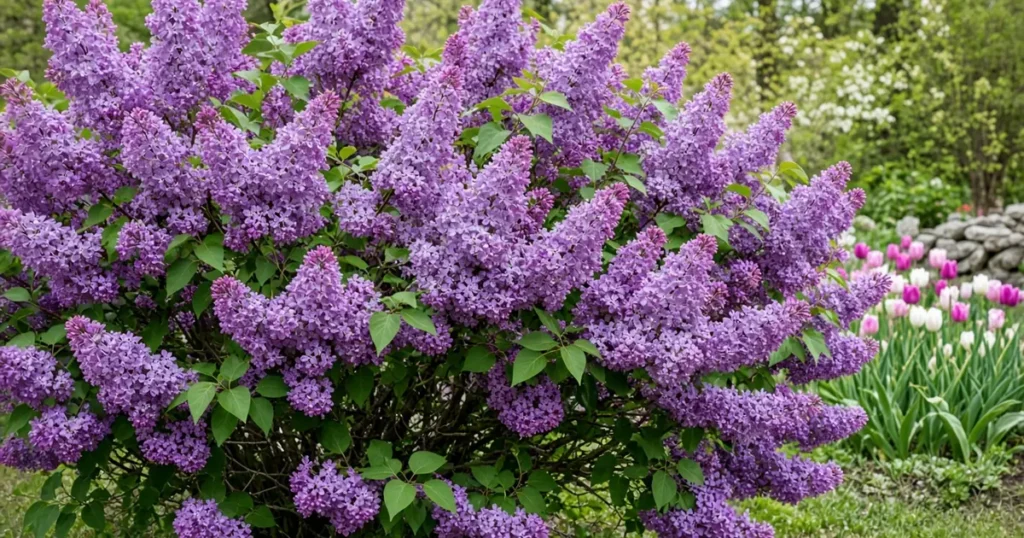
The lilac vs butterfly bush choice starts with bloom time. University of Minnesota Extension notes that lilacs bloom in spring for 10 to 14 days. NC State Extension notes that butterfly bush flowers in summer on new growth. That difference shapes when you prune each shrub.
The short answer
Lilacs are long lived spring bloomers hardy in zones 3 to 7. Prune them right after bloom. Butterfly bush is hardy in zones 5 through 9, blooms in summer on new growth plus is pruned in early spring. Both need full sun, but butterfly bush self seeds plus can spread.
When does each shrub bloom?
UMN Extension notes that lilacs bloom for 10 to 14 days depending on the weather. Planting several species plus hybrids can stretch bloom into early summer. Lilacs may take a few years to bloom after planting.
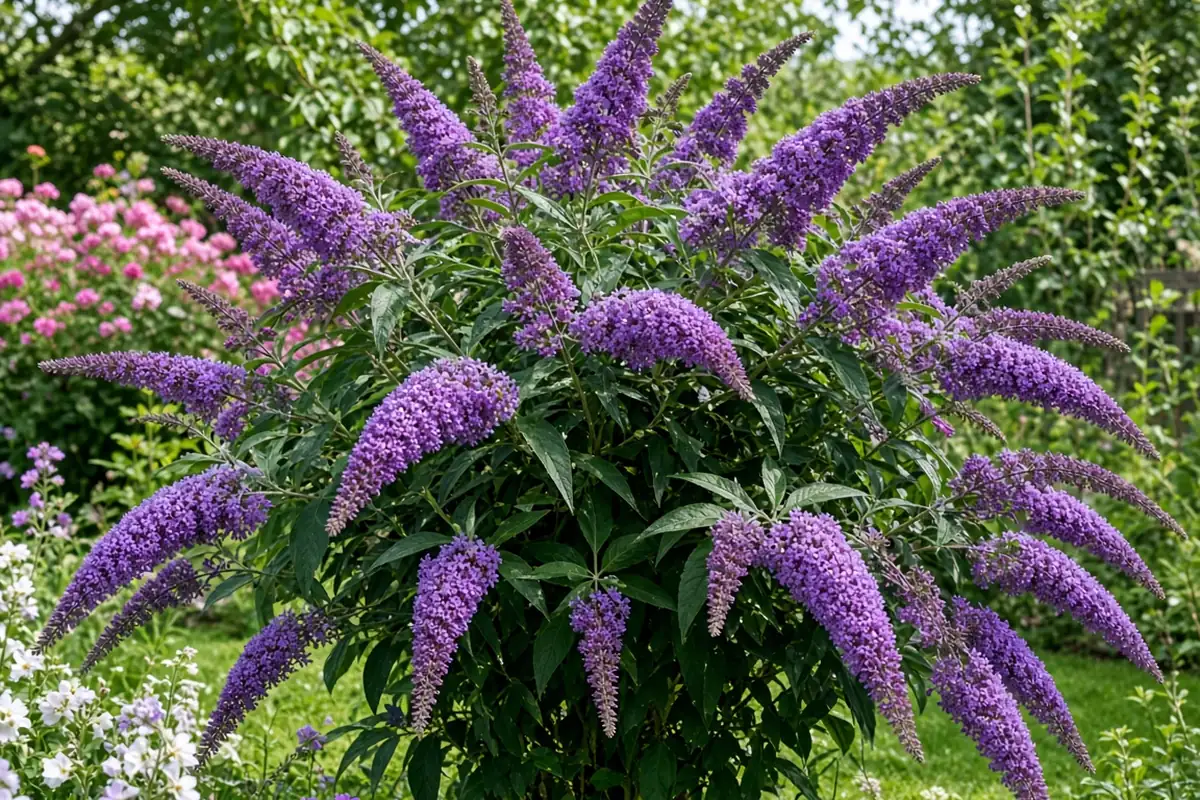
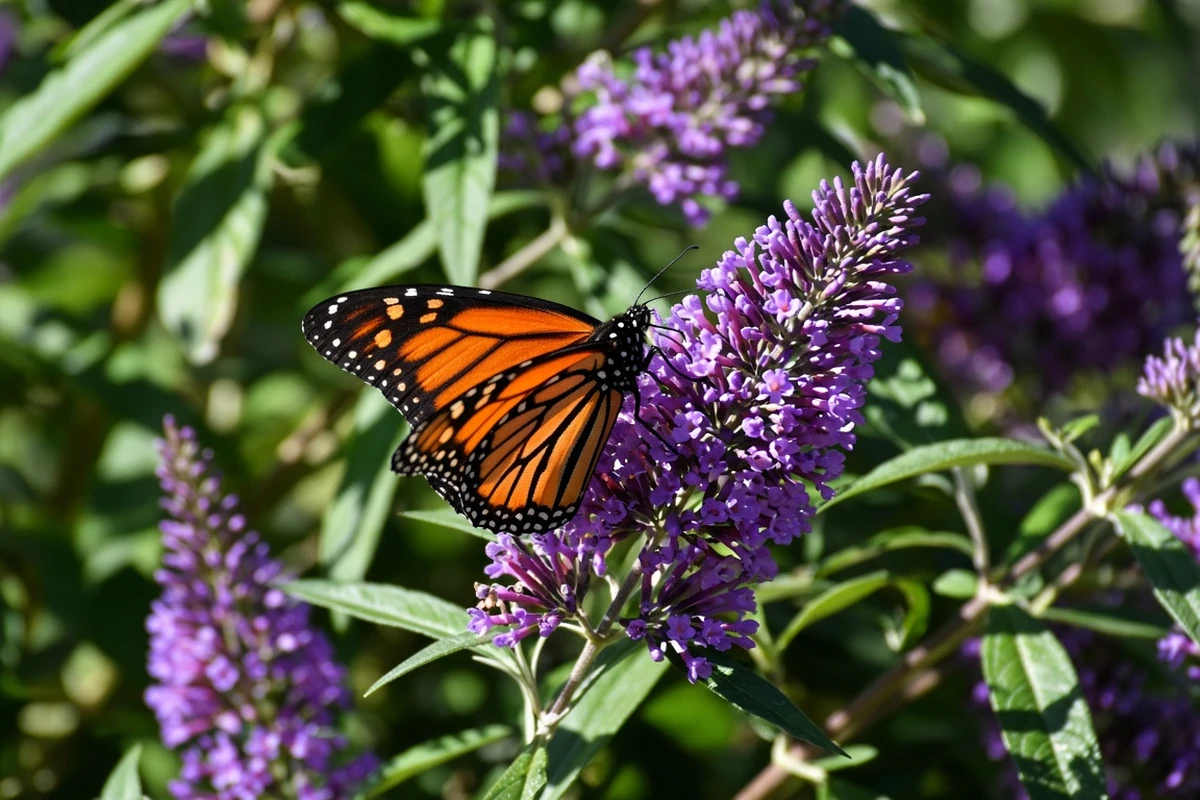
NC State Extension notes that butterfly bush flowers in summer. Its small, scented blooms make spikes 4 to 10 inches long.
How do hardiness plus size compare?
UMN Extension lists lilacs as hardy in zones 3 to 7, depending on the species. NC State Extension notes that common lilac needs a long winter chill for its buds to mature. It reaches 8 to 16 feet tall.
Butterfly bush is hardy in zones 5 through 9. In zones 5 plus 6 it dies back to the ground but regrows vigorously in spring.
| Trait | Lilac | Butterfly bush |
|---|---|---|
| Bloom time | Spring, 10 to 14 days | Summer |
| Hardiness | Zones 3 to 7 | Zones 5 through 9 |
| Pruning | Right after bloom | Early spring |
Source: University of Minnesota Extension plus NC State Extension.
When should each be pruned?
UMN Extension advises pruning lilacs immediately after blooming to promote flowering the next year. Lilacs also form suckers from the root area.
Butterfly bush flowers on new growth. NC State Extension suggests pruning it in early spring to control growth plus encourage large flowers.
How to: step by step
- Pick a site with 6 or more hours of full sun.
- Confirm the soil drains easily.
- Plant lilacs where cold winters give a long chill.
- Prune lilacs right after they finish blooming.
- Prune butterfly bush in early spring.
- Remove lilac suckers plus watch butterfly bush seedlings.
Troubleshooting
Lilac does not bloom: too little sun or pruning at the wrong time. Give 6 or more hours of sun plus prune right after bloom.
White coating on lilac leaves: powdery mildew. Prune the center for airflow, since it does little permanent damage.
Butterfly bush seedlings nearby: self seeding. NC State Extension suggests noninvasive kinds.
For related reading see bees in outdoor gardens, garden layout planning plus leaf anatomy. Kind Seed Co also stocks cannabis seeds.
Sources
- Growing lilacs for Minnesota landscapes, University of Minnesota Extension
- Lilacs for cold climates, University of Wisconsin Madison Extension
- Syringa vulgaris (common lilac), NC State Extension Gardener Plant Toolbox
- Buddleja davidii (butterfly bush), NC State Extension Gardener Plant Toolbox
FAQ
Is butterfly bush invasive?
NC State Extension notes that butterfly bush self seeds plus naturalizes easily. One flower panicle can hold as many as 40,000 winged seeds that travel by wind or water. It can outcompete native species in natural areas, so the source suggests considering noninvasive types instead.
Does butterfly bush help butterflies?
Adult butterflies feed on its nectar, as the name implies. NC State Extension notes that the caterpillars of native butterflies cannot feed on its leaves. UMN Extension notes that lilacs also provide habitat for small birds plus pollinating insects, so both shrubs offer some wildlife value.
Why is my lilac not blooming?
UMN Extension notes that lilacs may take a few years to bloom after planting. Plants also need 6 or more hours of full sun a day, since less sun reduces flowering. Pruning after bloom matters too, because lilacs need pruning right after flowering to bloom the next year.
Do lilacs grow in warm climates?
NC State Extension notes that lilac does well in cold winter climates, since buds need a long winter chill to mature. Some low chill cultivars have been developed. Even these perform well only when they get an extended, cold winter rest, so lilacs struggle in mild areas.
What soil do lilacs need?
UMN Extension suggests moist, well drained soil plus a pH of 7.0 to slightly alkaline. Avoid wet soils with poor drainage. NC State Extension adds that common lilac tolerates different soil types but does not do well in highly acidic or poorly drained soil.