Arborvitae vs Juniper: Moisture Plus Sun Needs
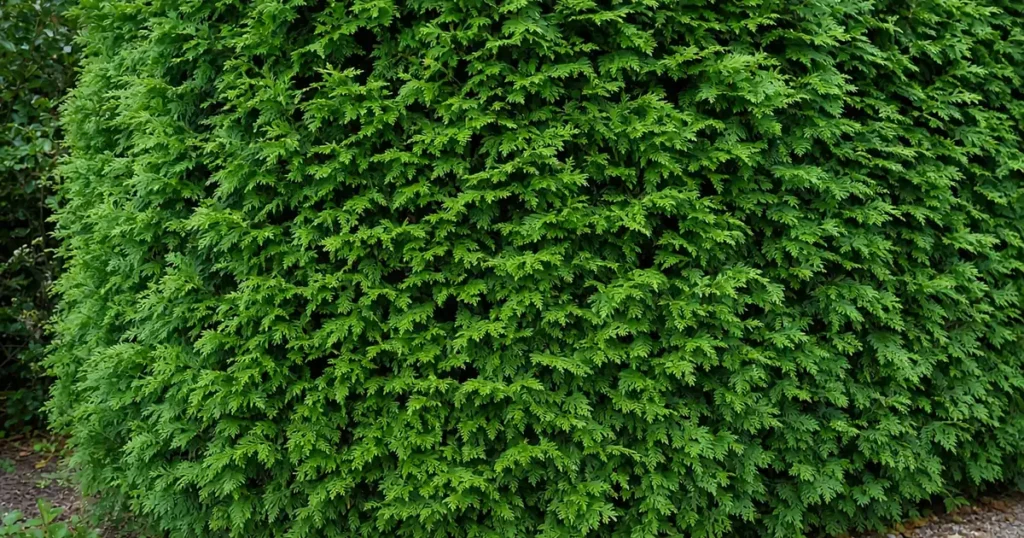
The arborvitae vs juniper choice depends on your site. NC State Extension notes that American arborvitae does well in soil with high moisture plus tolerates wet sites. UF/IFAS notes that junipers have excellent drought plus salt tolerance but need at least half a day of full sun.
The short answer
Arborvitae suits moist soil in full sun or partial shade plus makes a dense hedge or screen. Junipers range from creeping groundcovers to large trees. They need at least half a day of sun plus handle drought, salt spray plus salty soil. Both shed some inner needles each fall.
Which handles dry or wet sites?
NC State Extension notes that arborvitae tolerates clay soil plus wet sites. It is intolerant of dry, exposed or windy sites, where foliage can turn yellow brown in winter.
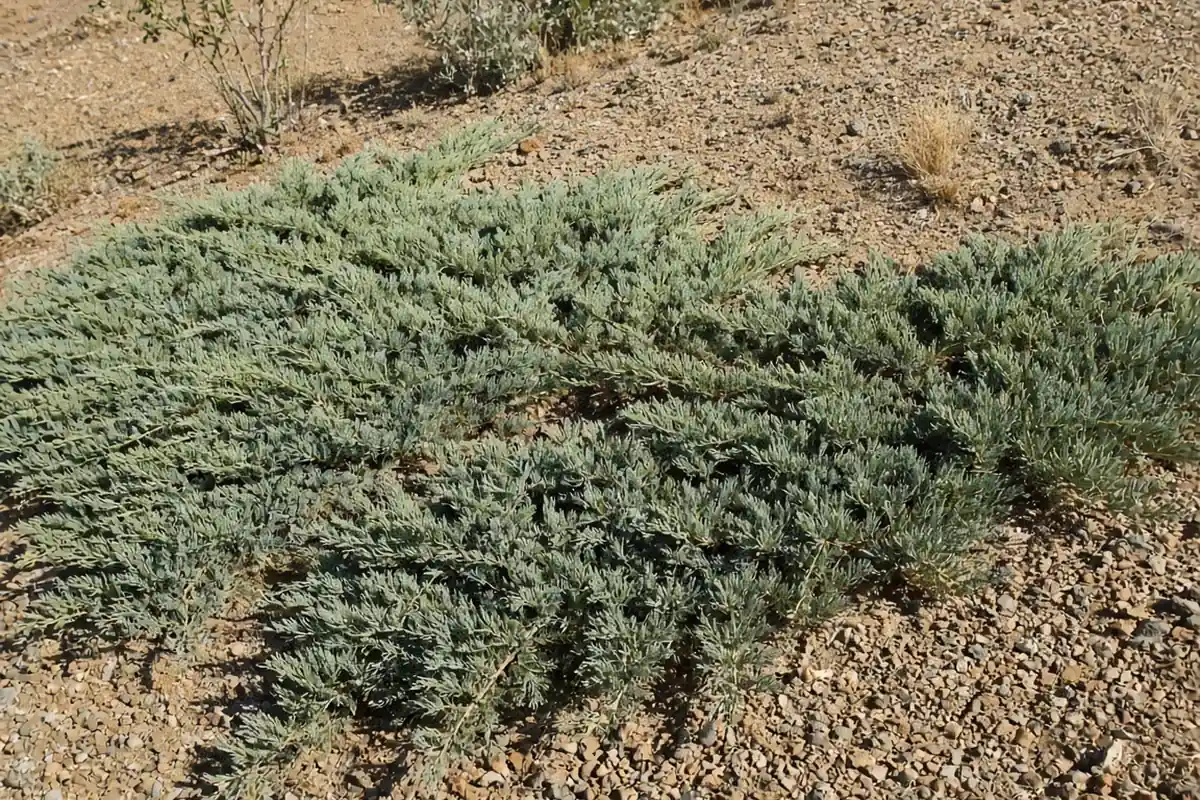
UF/IFAS notes that junipers have excellent drought tolerance. They also tolerate salt spray plus salty soils, which suits coastal yards.
How do size plus foliage compare?
NC State Extension lists American arborvitae at 40 to 60 feet tall plus 10 to 15 feet wide. Small oblong cones form in spring plus turn brown in summer.
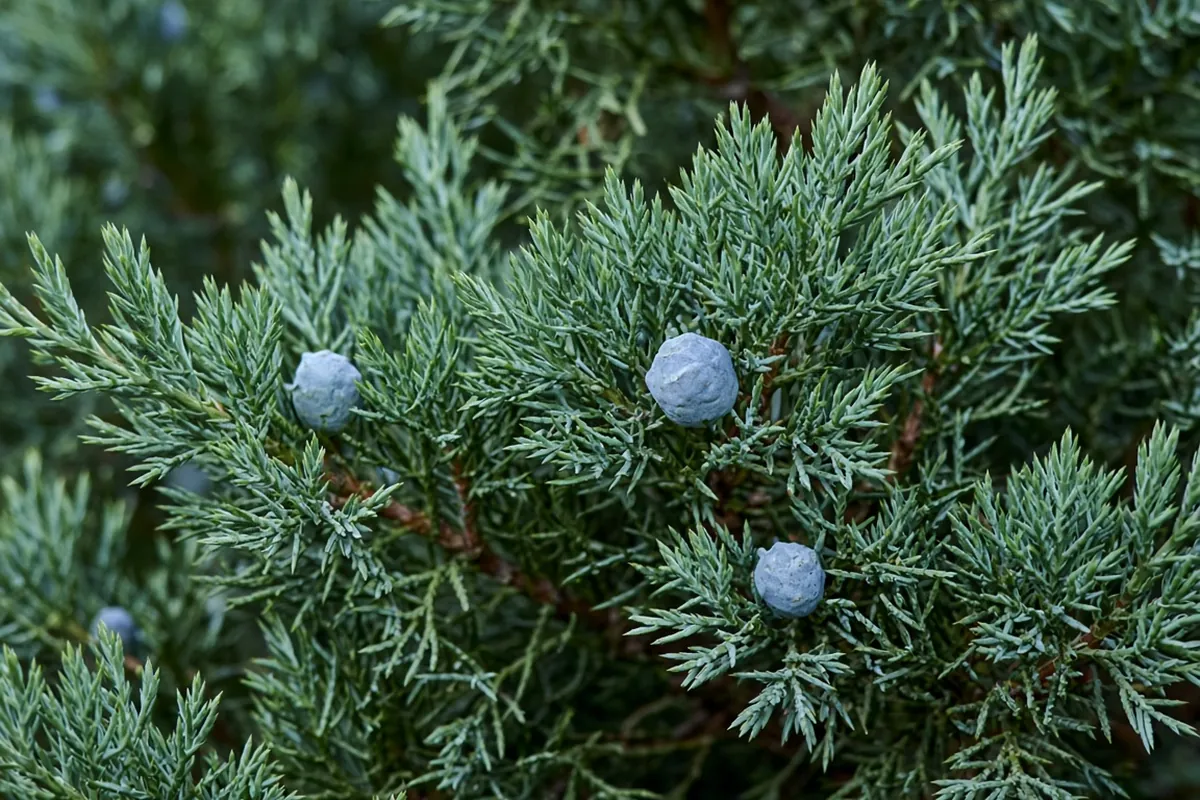
Junipers range from creeping groundcovers to trees up to 130 feet tall. Their leaves can be needle like or scale like. Female cones are berrylike plus blue to red.
| Trait | Arborvitae | Juniper |
|---|---|---|
| Light | Full sun or partial shade | At least half a day of sun |
| Soil | Moist, tolerates wet sites | Dry, tolerates drought plus salt |
| Size | 40 to 60 feet tall | Groundcover to 130 feet |
Source: NC State Extension plus UF/IFAS Gardening Solutions.
Why does inner growth turn brown?
Iowa State University Extension explains that browning inner foliage is probably seasonal needle drop. Evergreens such as juniper plus arborvitae shed their oldest, innermost needles in fall.
Drought can cause greater than normal needle loss. Needles on the outer growth stay green on thriving plants.
How to: step by step
- Check how many hours of sun the site receives.
- Choose arborvitae for moist sites plus juniper for dry ones.
- Avoid windy, exposed spots for arborvitae.
- Plant arborvitae in groups for a hedge or screen.
- Water during drought to limit needle loss.
- Watch for deer, bagworms plus scale.
Troubleshooting
Thin arborvitae foliage: full shade. NC State Extension notes foliage thins out dramatically in full shade.
Winter browning: dry, exposed or windy sites. Pick a sheltered spot for arborvitae.
Broken arborvitae stems: ice plus snow. NC State Extension notes winter loads can cause stem breakage.
For related reading see leaf anatomy, garden layout planning plus windbreaks. Kind Seed Co also stocks cannabis seeds.
Sources
- Thuja occidentalis (American arborvitae), NC State Extension Gardener Plant Toolbox
- Juniperus (juniper), NC State Extension Gardener Plant Toolbox
- Junipers, UF/IFAS Gardening Solutions
- Why is the inner growth of my arborvitae turning brown?, Iowa State University Extension plus Outreach
FAQ
Which makes a better privacy screen?
NC State Extension notes that arborvitae planted in groups performs well as a hedge, privacy screen or windbreak. Junipers vary widely in form, from groundcovers to large trees. For a screen on a moist site, arborvitae is the usual pick. On a dry, sunny or salty site, consider an upright juniper.
Do deer eat arborvitae?
Yes. NC State Extension notes that deer browsing can be a serious problem for American arborvitae. White tailed deer feed on the branches plus use the plants for shelter from the cold. Songbirds also nest in arborvitae, so it offers wildlife value even where browsing occurs.
Are juniper berries real berries?
No. NC State Extension notes that the female cones of junipers are soft, round, berry like structures that can be blue to red. Birds plus small mammals use the cones plus disperse the seeds. Male cones are separate plus carry 6 to 20 scales.
Is inner browning a sign of trouble?
Usually not. Iowa State University Extension explains that evergreens shed their oldest, innermost needles in fall, so they turn yellow or brown plus drop. The outer needles stay green. Drought can cause greater than normal needle loss, so water during dry spells.
What pests affect each plant?
NC State Extension lists bagworms, mealybugs, scales plus spider mites as occasional visitors on arborvitae, along with deer. Junipers can be susceptible to twig blight plus scale. Check plants regularly plus act early if foliage discolors outside the normal fall needle drop.