
Potato Leaves Curling: Common Causes in the Home Garden
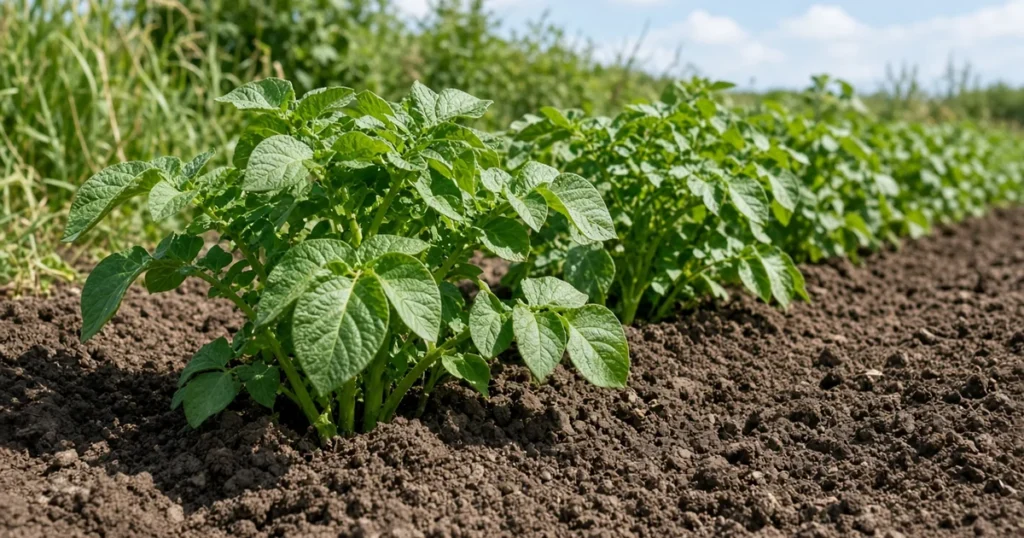
Potato leaves curling in a home patch most often points to insects or to viruses they carry. University of Minnesota Extension lists twisted and curled leaves among the signs of severe aphid feeding. It also notes that viruses can mottle, yellow or curl leaves. Start by checking the leaf undersides.
The short answer
Turn a few curled leaves over and look for aphids. A firm spray of water from a hose can knock clusters off. If leaves are curled with mottled or yellow patches and no insects, a virus is likely. Remove those plants and start with certified seed potatoes next year.
Why do potato leaves curl?
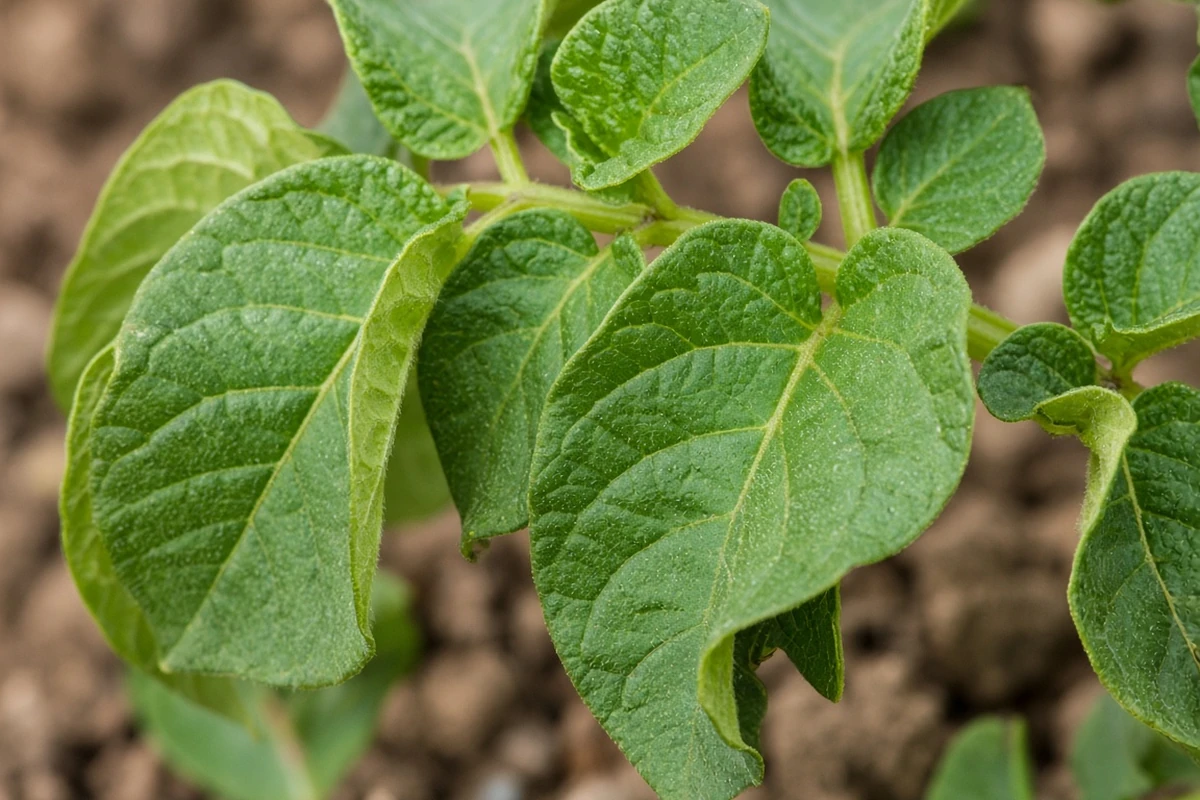
Minnesota Extension says aphids feed on plant sap and that severe feeding gives twisted and curled leaves, yellowed foliage and stunted shoots. Often aphid feeding shows no visible symptoms. Aphids also spread plant viruses, which can mottle, yellow or curl leaves. More on garden stress signs is in environmental stresses on weed plants.
Water matters too. University of Maryland Extension says too much or too little water can cause tuber disorders, and that soil above 80°F inhibits tuber development. Minnesota Extension suggests soaking the soil once or twice a week and giving about one inch of water per week. See underwatering cannabis for dry soil signs.
How do you check for aphids?
Look under the leaves and along new shoots. Minnesota Extension describes aphids as small, pear shaped, soft bodied insects. It notes that a firm spray of water knocks many off. More pest ideas are in pest control ideas for cannabis.
| Sign | Likely cause | What helps |
|---|---|---|
| Curl with insects underneath | Aphids | Hose spray |
| Curl with mottled or yellow patches | Virus | Remove the plant |
| Small or misshapen tubers | Uneven water | Steady watering |
| Poor tuber set in summer | Soil above 80°F | Straw mulch |
Sources: University of Minnesota Extension, University of Maryland Extension, NC State Extension.
When does curling point to a virus?
Curling with mottling or yellow patches and no insects points to a virus. Maryland Extension says viruses often show up the next year when gardeners save their own seed potatoes, so it advises buying certified seed. Minnesota Extension also recommends certified seed tubers. NC State Extension advises removing diseased plants from the garden. Mulch ideas for cooler soil are in mulch for cannabis.
How to: step by step
- Check the undersides of curled leaves.
- Spray aphids off with a hose.
- Water deeply once or twice a week.
- Add straw mulch after hilling.
- Remove plants with mottled leaves.
- Buy certified seed potatoes next year.
Troubleshooting
Curled leaves with insects: aphids. Spray them off.
Curled and mottled leaves: possible virus. Remove the plant.
Small tubers: check soil conditions.
Kind Seed Co shares these garden notes for growers of all kinds.
Sources
- Growing potatoes in home gardens, University of Minnesota Extension
- Potatoes, University of Maryland Extension
- Solanum tuberosum (potato), NC State Extension Gardener Plant Toolbox
- Aphids in home yards and gardens, University of Minnesota Extension
FAQ
Do curled potato leaves affect the tubers?
Minnesota Extension says severe aphid feeding can stunt shoots and slow plant growth. Maryland Extension adds that viruses often show up the next year in saved seed potatoes.
How does soil temperature affect potatoes?
Maryland Extension says soil temperature above 80°F will inhibit tuber development. It suggests a thick straw mulch after hilling to hold the soil cool and moist.
Should I remove curled plants?
If curling comes with mottled or yellow leaves and no insects, a virus is likely. NC State Extension advises removing diseased plants.
How do I avoid potato viruses?
Minnesota Extension and Maryland Extension both advise planting certified seed potatoes. Maryland notes that viruses often show up the next year in saved seed potatoes.
How much water do potatoes need?
Minnesota Extension suggests soaking the soil once or twice a week and giving about one inch of water per week.



