
Tomatoes Wilting Afternoon Heat: What It Means and What Helps
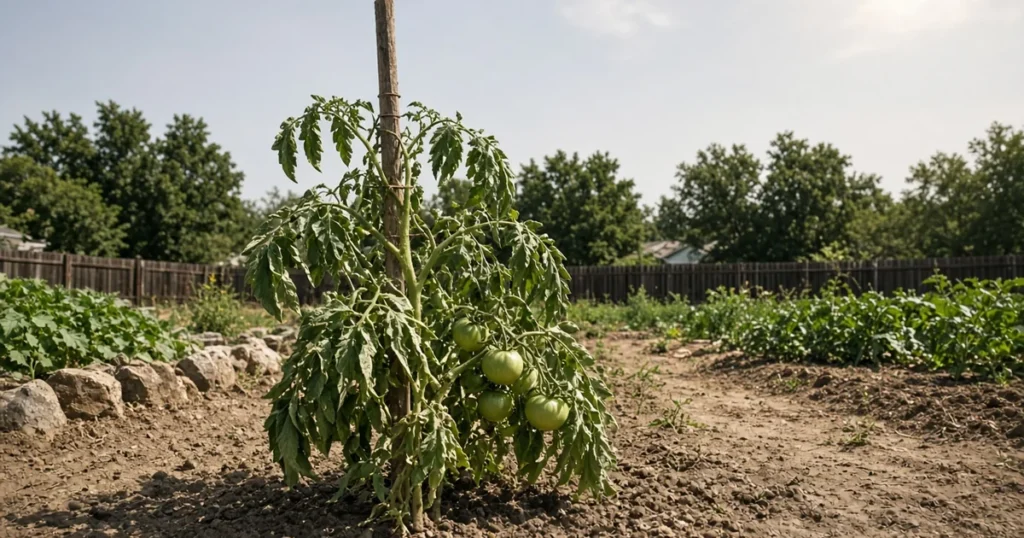
Tomatoes wilting afternoon after afternoon in summer are often reacting to heat rather than a deeper problem. University of Wisconsin Madison Extension says plants may wilt on a hot, windy afternoon but recover in calmer, cooler evenings. The soil can hold water while leaves lose it faster than roots supply it.
The short answer
If tomato leaves droop in the afternoon and perk up by evening, it is usually heat wilt. Check the soil before you water, since wilting at dawn likely means dry soil. Water deeply at the base and mulch to cool the soil, as SDSU Extension advises.
Why do tomatoes droop on hot afternoons?
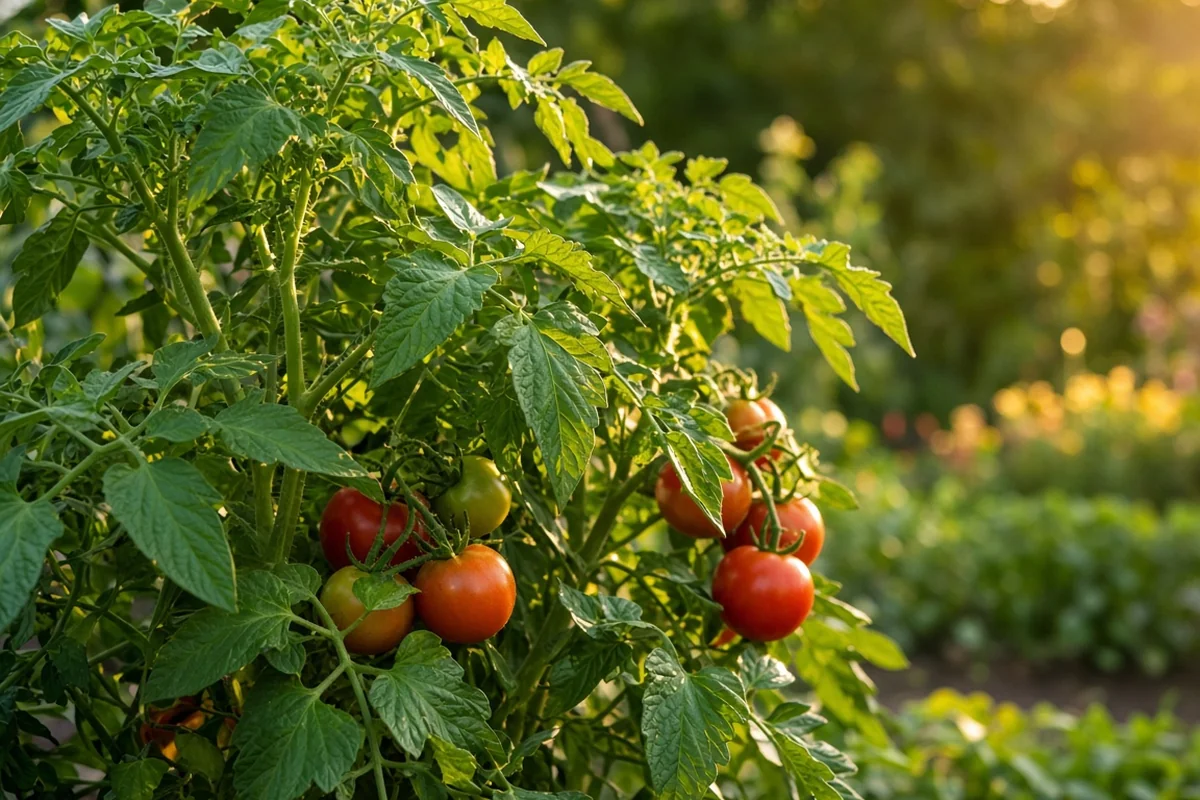
Wisconsin Extension explains that leaves lose water through small openings called stomata. Low humidity, heat and wind speed up this water loss. On a hot afternoon roots cannot match that loss even in moist soil, so leaves droop. NC State lists full sun for tomatoes, so some afternoon sun stress comes with the crop. More on heat stress is in environmental stresses on weed plants.
How do you tell heat wilt from dry soil?
Timing tells the two apart. Heat wilt shows in the afternoon and fades by evening. Dry soil wilt is still there the next morning. Minnesota Extension suggests using a trowel to see how far down the soil is wet. If it is only an inch or two, water longer. See underwatering cannabis for more dry soil signs.
Wisconsin Extension adds that plants can also wilt in soggy soil, because roots need oxygen as well as water. Signs of too much water are covered in overwatering and cannabis growth. Wisconsin also notes fungal wilt diseases that block the water carrying tissue inside stems.
| Time | Sign | Action |
|---|---|---|
| Afternoon | Droop on a hot, windy day | Check the soil and wait |
| Evening | Leaves upright again | No action needed |
| Morning | Still wilted, soil dry | Water deeply at the base |
| Any time | Wilted, soil soggy | Let the soil dry |
Sources: University of Wisconsin Madison Extension, University of Minnesota Extension, NC State Extension.
How can you help tomatoes through a heat wave?
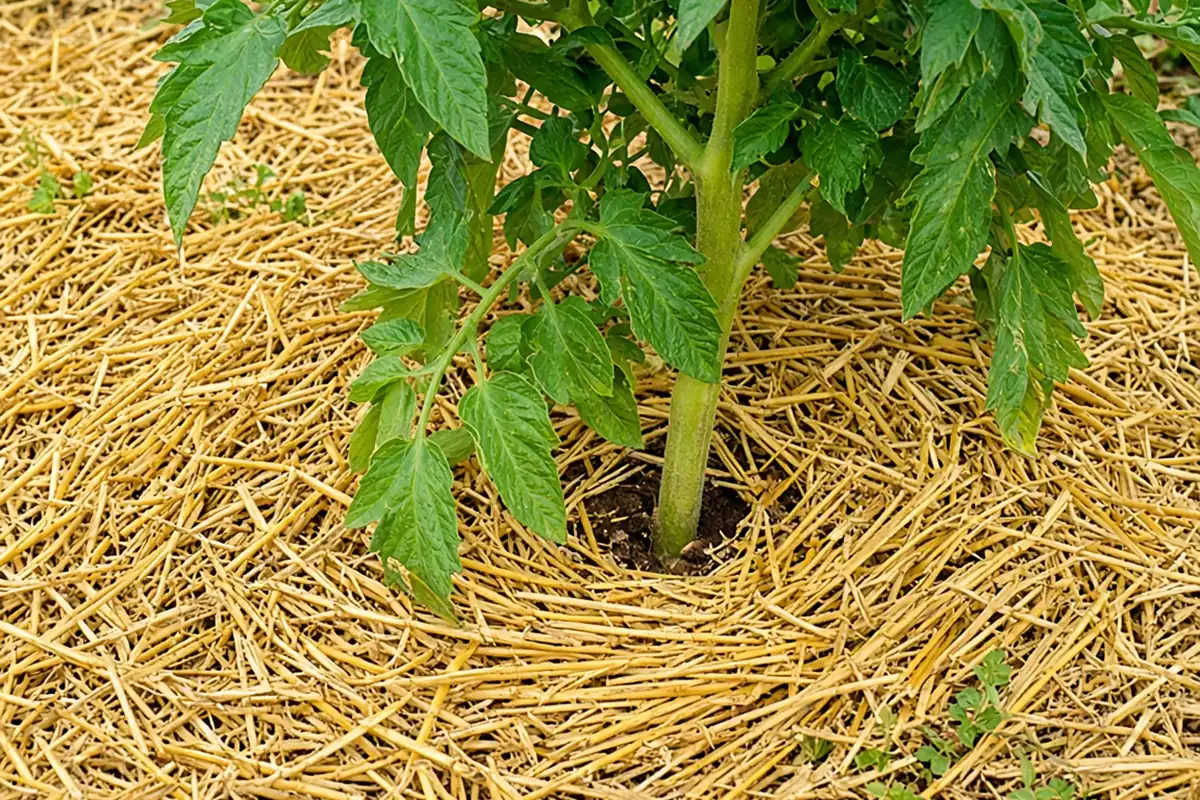
SDSU Extension gives three steps for hot spells. Choose heat tolerant varieties. Water deeply so roots are not limited to the top few inches. Mulch to reduce soil temperature and water loss. Minnesota Extension says one inch of rain or irrigation per week is ideal and that light watering causes shallow roots that raise drought stress. It suggests mulching with weed free straw or grass clippings free of herbicide three to four inches deep. Mulch tips are in mulch for cannabis.
SDSU also advises against heavy pruning in hot weather, since exposure can scald fruit. Minnesota Extension adds that blossom end rot can develop when soil moisture swings during fruit growth.
How to: step by step
- Check plants early in the morning.
- Feel the soil a few inches down.
- Water deeply at the base in the morning.
- Add mulch to cool the roots.
- Avoid heavy pruning during heat waves.
- Watch for recovery each evening.
Troubleshooting
Droops at midday, upright by evening: heat wilt, no action needed.
Droops at dawn: dry soil. Water deeply.
Leaves roll inward: Minnesota Extension calls leaf roll a disorder that does no harm.
Kind Seed Co shares these garden notes for growers of all kinds.
Sources
- Heat causes problems with garden produce, SDSU Extension
- Reasons why plants wilt, University of Wisconsin Madison Extension
- Growing tomatoes in home gardens, University of Minnesota Extension
- Solanum lycopersicum (tomato), NC State Extension Gardener Plant Toolbox
FAQ
Should I water tomatoes during the heat of the day?
Check the soil first. Wisconsin Extension says plants can wilt on hot afternoons even when the soil holds enough water. Minnesota Extension advises soaking the soil thoroughly and avoiding overhead sprinkling.
How hot is too hot for tomatoes?
SDSU Extension says fruiting crops grow well in the upper 70s to mid 80s °F. When days pass 90°F and nights stay above 70°F, tomato flower buds tend to fall off.
How much water do tomatoes need?
Minnesota Extension says one inch of rain or irrigation per week is ideal. Very sandy soils may need water more often.
Does mulch help tomatoes in heat?
Yes. SDSU Extension says mulch reduces soil temperature and water loss during hot spells.
Why do tomato flowers drop in hot weather?
SDSU Extension says high day and night temperatures make flower buds fall off and can lead to abnormal pollen, so fruit does not form.



