
Raised Bed on Concrete: Drainage plus Depth Tips
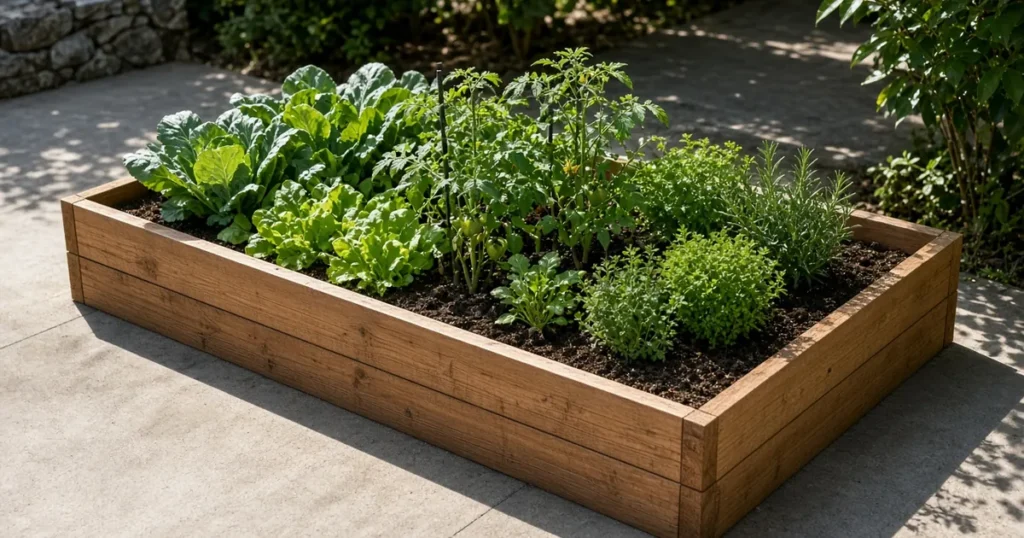
A raised bed on concrete works like a large container, so it needs enough soil depth plus a way for water to escape. Ask Extension advises against a gravel layer at the bottom, since it can hold water in the soil above. Build deep enough for your crops, then fill with a quality mix.
The short answer
Build at least 10 inches deep plus give water a way off the slab. University of Georgia Extension notes 10 inches may not be deep enough on a hard surface for crops like potatoes. Ask Extension advises skipping bottom gravel plus raising containers on bricks for drainage. A compost plus topsoil mix fills the bed.
How deep should a raised bed on concrete be?
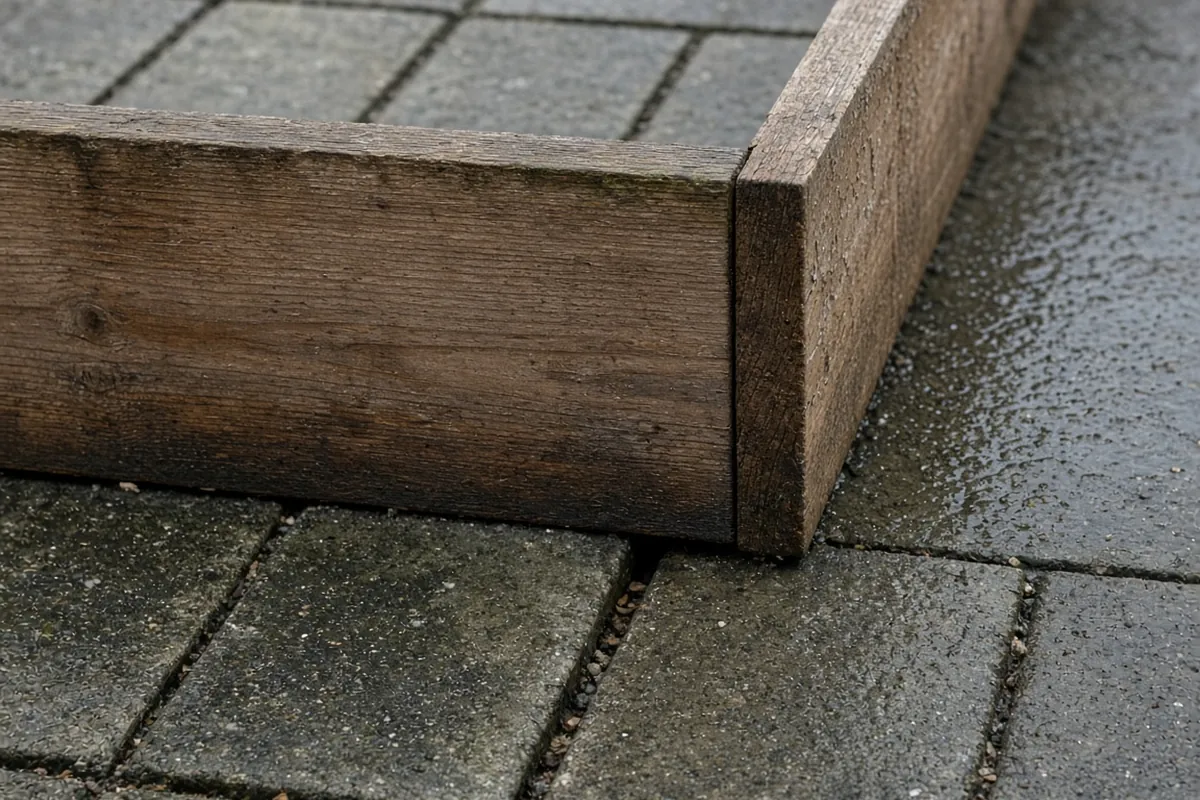
University of Georgia Extension notes most garden crops need at least 10 inches of soil. On a hard surface roots cannot reach soil below, so it notes 10 inches may fall short for crops like potatoes. University of Missouri Extension notes deeper beds serve most plants.
| Factor | Target | Tip |
|---|---|---|
| Depth | At least 10 inches | Go deeper for potatoes |
| Fill | Compost plus topsoil at 1 to 2 or 1 to 1 | Buy premixed if you can |
| Drainage | No gravel layer | Raise containers on bricks |
| Frame | Level when installed | The soil should sit flat |
Source: University of Georgia Extension plus University of Maryland Extension.
How does water drain off a slab?
Ask Extension notes containers without ample drainage become a bathtub after watering or rain. It advises raising containers off the patio with bricks to aid drainage. University of Missouri Extension advises making certain drainage is provided for half barrels on a patio.
What fill works on hard surfaces?
University of Maryland Extension advises a mix of compost plus garden soil or purchased topsoil in a 1 to 2 or 1 to 1 ratio. Ask Extension notes you may adjust the potting mix to suit the plants. Skip bottom gravel.
How to: step by step
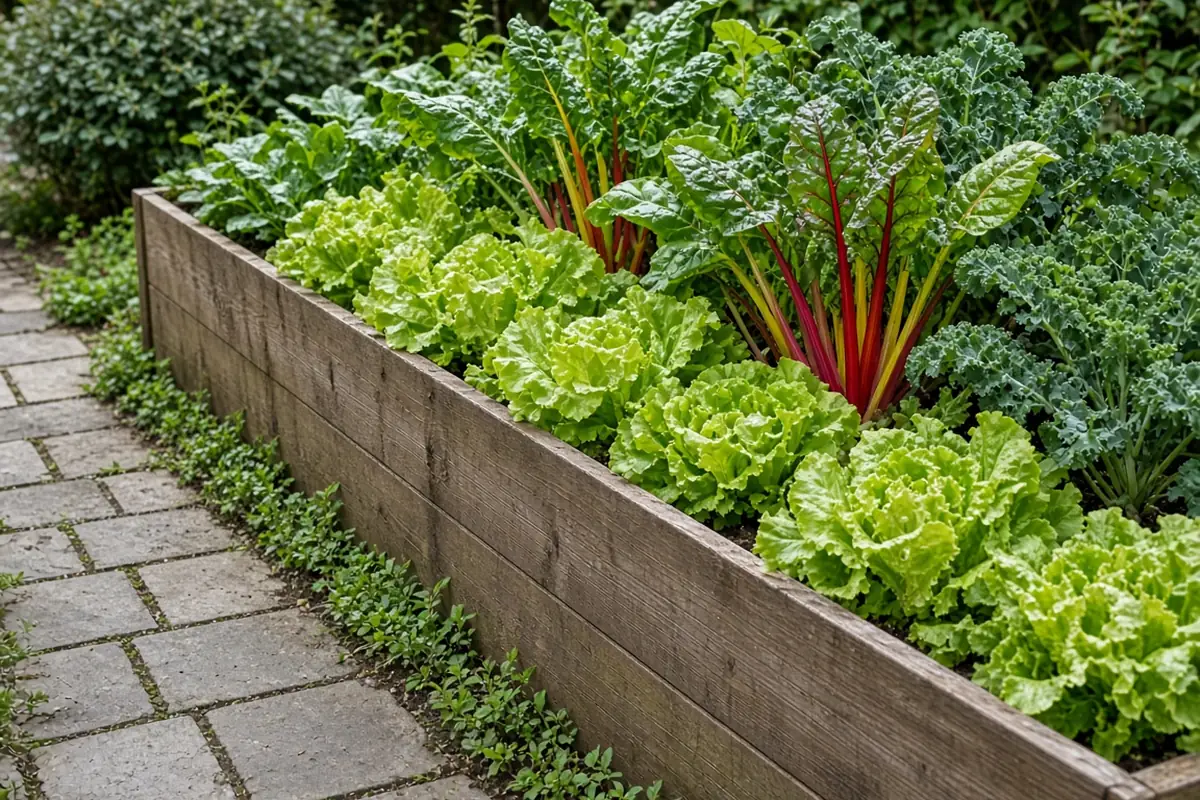
- Choose a level spot on the slab.
- Choose a bed depth suited to the crops.
- Sit the frame level on the surface.
- Raise smaller containers on bricks for drainage.
- Fill with compost plus topsoil.
- Water plus check for pooling or stains.
Troubleshooting
Soil stays soggy: no drainage path. Lift the container or add drainage.
Stains on concrete: runoff bearing soil. Consider a self watering container.
Plants dry out fast: a shallow bed in hot weather. Go deeper plus mulch.
For more on beds plus soil see raised beds for cannabis, soil drainage for cannabis beds plus buying topsoil for cannabis beds. Kind Seed Co also stocks cannabis seeds.
Sources
- Planter beds on top of a patio, Ask Extension (Cooperative Extension network)
- Building raised beds for vegetable gardening, University of Maryland Extension
- Raised-bed gardening (G6985), University of Missouri Extension
- Raised garden bed dimensions (C1027-4), University of Georgia Extension
FAQ
Should a raised bed on concrete have a bottom?
University of Georgia Extension notes raised planters on legs or blocks need a bottom that holds wet soil yet still lets water drain. A bed set straight on the slab can sit open at the base. Either way, Ask Extension advises ample drainage.
Will the bed stain the patio?
It may. Ask Extension notes you may get some water staining as beds or containers drain onto a patio. It notes larger self watering containers may help avoid this. Watch where runoff flows after the first few waterings plus rinse the slab if needed.
Does gravel help drainage?
No. Ask Extension advises against filling the bottom with gravel, since it can create a perched water table. Water stays in the soil above instead of draining out, which can leave the soil too wet. Use soil all the way down plus provide drainage.
What crops suit a shallow bed on concrete?
University of Georgia Extension notes most garden crops need at least 10 inches of soil plus 10 inches may not be enough on a hard surface for crops like potatoes. University of Missouri Extension notes most plants need a 6 to 12 inch rooting zone.
Should I mix compost into the fill?
Yes. University of Maryland Extension advises filling raised beds with compost plus garden soil or purchased topsoil in a 1 to 2 or 1 to 1 ratio. It notes local vendors may sell topsoil already mixed with compost. Raised beds dry out quickly in hot weather.


