
How to Remove Sod by Hand for a New Garden Bed
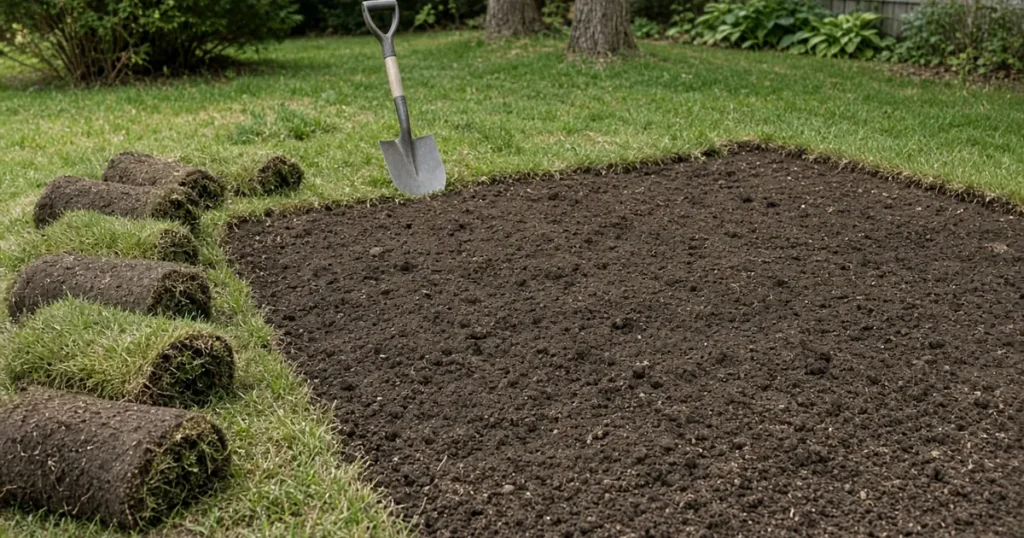
Knowing how to remove sod by hand lets you clear a small patch of lawn for a new bed with just a sharp spade. Iowa State University Extension notes digging creates a grass free area quickly but takes a lot of physical labor. Water ahead, slice shallow plus add compost after.
The short answer
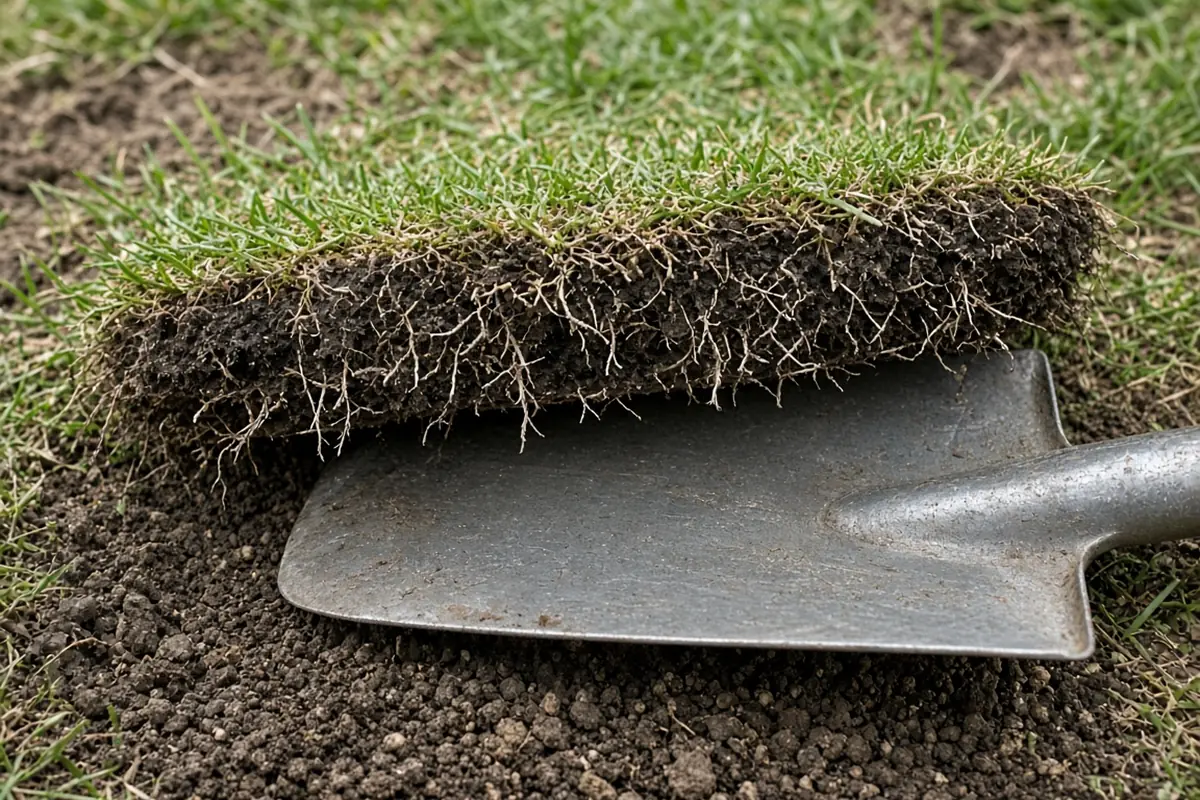
Cut the turf into strips with a sharp flat spade, then slide the blade just under the roots. Iowa State University Extension puts the grass roots about 1 inch deep. University of Maryland Extension advises slicing through the top 1 to 2 inches. Water two or three days ahead plus add compost after.
When should sod be removed?
Iowa State University Extension advises removing sod a couple of days after a soaking rain or watering two or three days ahead. It notes overly wet soil makes sod heavy plus compacts the new bed. University of Maryland Extension notes smothering methods suit fall.
| Method | Fits | Effort |
|---|---|---|
| Spade digging | Small beds needed fast | High labor |
| Sod cutter | Areas over 100 square feet | Lower with the machine |
| Smothering with cardboard | Beds planted months later | Low labor plus slow |
| Tilling | Beds that need organic matter mixed in | Needs a large tiller |
Source: Iowa State University Extension plus University of Maryland Extension.
How deep should the spade cut?
Iowa State University Extension advises digging down, then sliding the spade horizontally just under the shallow grass roots, about 1 inch deep. University of Maryland Extension advises slicing through the top 1 to 2 inches of sod plus soil. Thin cuts spare more topsoil.
What can be done with lifted sod?
University of Maryland Extension notes sod contains valuable topsoil plus organic matter. It advises turning it over next to the bed to dry, then mixing it back in once brown. Iowa State University Extension notes sod pieces can be reused elsewhere in the yard.
How to: step by step
- Outline the bed with string or a hose.
- Water the area two or three days before.
- Cut the turf into narrow strips with a flat spade.
- Slide the spade just under the roots plus lift each strip.
- Knock loose soil back onto the bed.
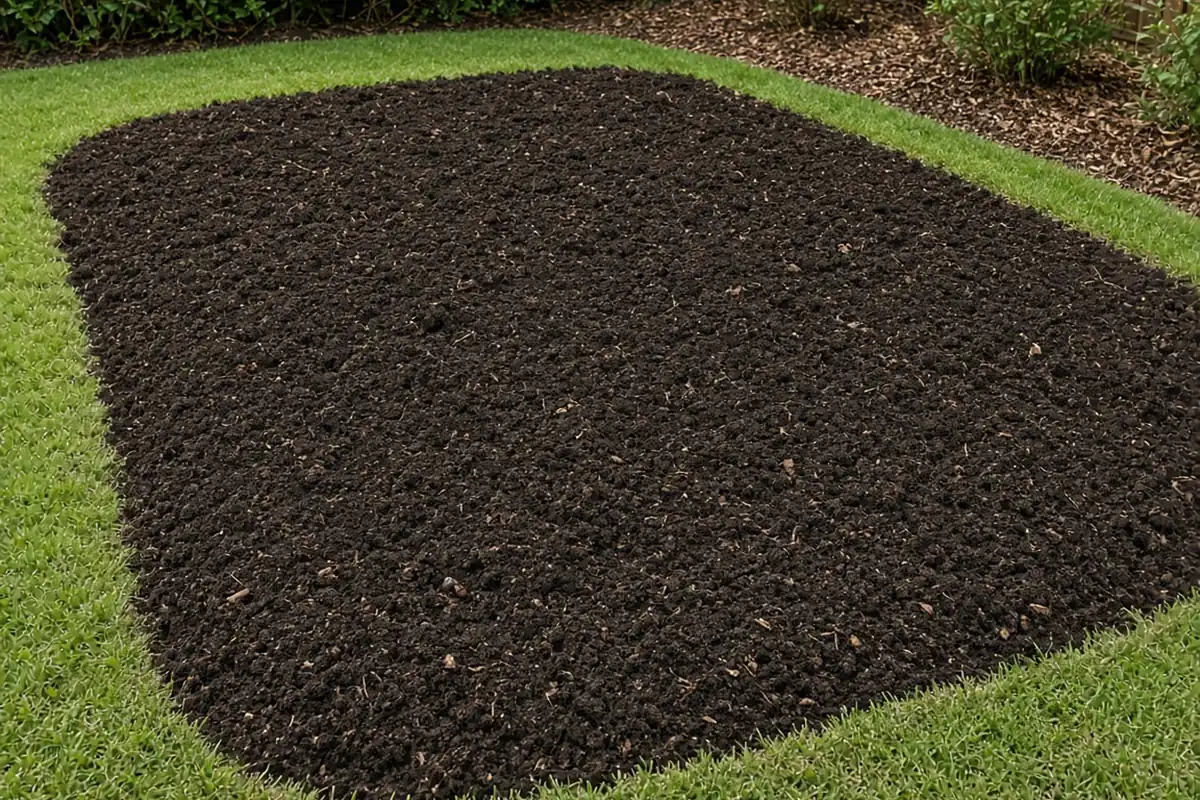
- Loosen the soil, add compost plus mulch until planting.
Troubleshooting
Strips fall apart: soil too dry. Water plus pause a day.
Very heavy strips: cut too deep or too wide. Slice thinner plus narrower.
Grass regrows in the bed: roots left behind. Pull regrowth promptly.
For more on new beds see planning an outdoor cannabis garden layout, when is soil ready to work plus cover crops for cannabis. Kind Seed Co also stocks cannabis seeds.
Sources
- How to kill grass to create a new garden bed, Iowa State University Extension, Yard and Garden
- Lawn (turfgrass) removal methods, University of Maryland Extension
- Garden beds, UConn Home and Garden Education Center
- Beginning vegetable gardening basics: site selection and soil preparation, University of Wisconsin-Madison Extension
FAQ
Is a sod cutter worth renting?
For large areas it can be. University of Maryland Extension notes a sod cutter can make the job easier for areas larger than 100 square feet. Iowa State University Extension notes it can significantly reduce the effort plus time required. For a small bed a spade works well.
Can lifted sod be composted?
University of Maryland Extension advises turning sod over next to the bed to dry out plus kill the roots. Once it turns completely brown, mix it back into the soil. That returns its topsoil plus organic matter to the bed rather than hauling it away.
Should the bed be tilled after?
Not always. University of Maryland Extension advises loosening the subsoil with a garden fork before plus after spreading 2 to 4 inches of compost. It notes a rototiller brings weed seeds to the surface. A fork plus compost often does the job.
Can sod go back somewhere else in the lawn?
Yes. Iowa State University Extension notes sod pieces can be reused in other areas of the yard. It notes sod pieces or rolls can be quite heavy, so cut them to a manageable size. Replant them soon after lifting so the roots stay moist.
Is smothering easier than digging?
It takes less labor but more time. Iowa State University Extension notes smothering with newspaper or cardboard often needs six weeks or longer. University of Maryland Extension notes it may take 6 to 8 weeks for turf to die plus advises starting in fall for spring planting.