Sedum Falling Over: Rich Soil Plus Wet Soil Plus Pinching
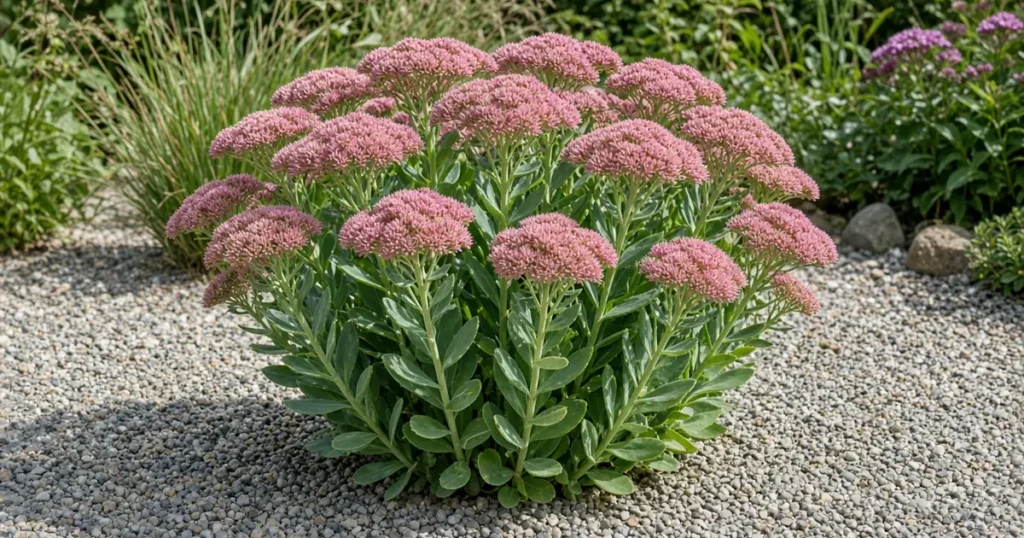
Sedum falling over often traces back to the soil and the pruning calendar. NC State Extension says showy stonecrop needs well drained or gravelly soil with average to low fertility. It can suffer in overly moist or fertile soils. Pinching stems in early spring helps hold a bushy shape.
The short answer
Sedum falling over usually points to rich or wet soil and stems left unpinched. NC State Extension says stonecrop wants average to low fertility and well drained or gravelly soil. To grow a bushy shape and thick stems, cut or pinch back the stems in early spring. Summer pruning may delay the blooms.
How does rich soil cause flopping?
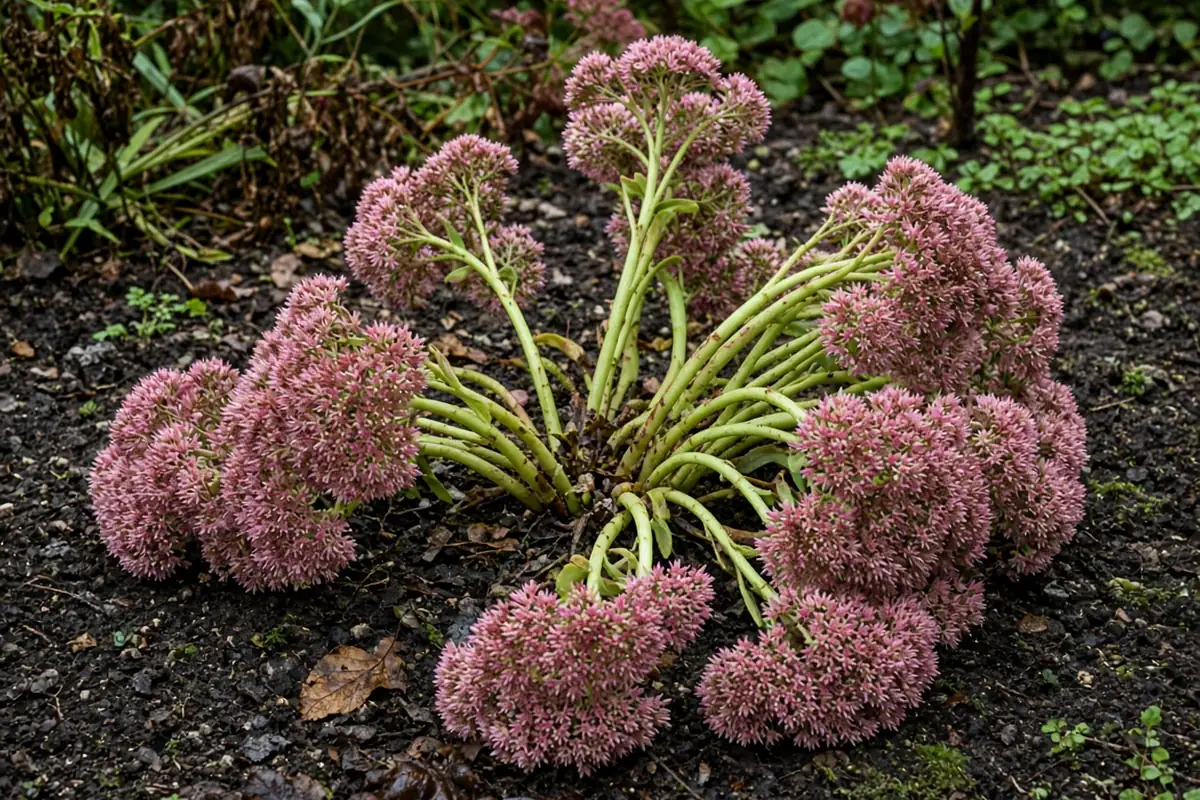
NC State Extension says showy stonecrop needs soil with average to low fertility. It can suffer in overly fertile soils.
The plant makes a clumping mound 1 to 2 feet high and wide. Its stems are unbranched and fleshy.
University of Missouri Extension rates sedum as easy and very heat and drought tolerant. Extra feeding is not part of its culture.
Why does wet soil matter?
NC State says stonecrop can suffer in overly moist soils. It wants well drained or gravelly ground.
NC State adds that many stonecrops may have root rot in poorly drained soils.
Texas A&M AgriLife Extension advises grouping plants so the same soil, drainage and sun conditions run along a row.
| Factor | Sedum need | Problem sign |
|---|---|---|
| Fertility | Average to low | Suffers in rich soil |
| Drainage | Well drained or gravelly | Root rot in wet soil |
| Pinching | Early spring | Late blooms if cut in summer |
Source: NC State Extension showy stonecrop profile plus NC State Extension stonecrop genus profile.
When should sedum be pinched?
NC State says to cut or pinch back stems in early spring. That builds a bushy shape and thick stems.
Timing counts. If pruned in summer, the showy blooms may be delayed.
Bloom time is late summer to fall. Flat clusters 4 to 6 inches across open pink and age to reddish brown.
How to: step by step
- Confirm that the site drains well.
- Stop adding rich amendments around the clump.
- Provide full sun or partial shade.
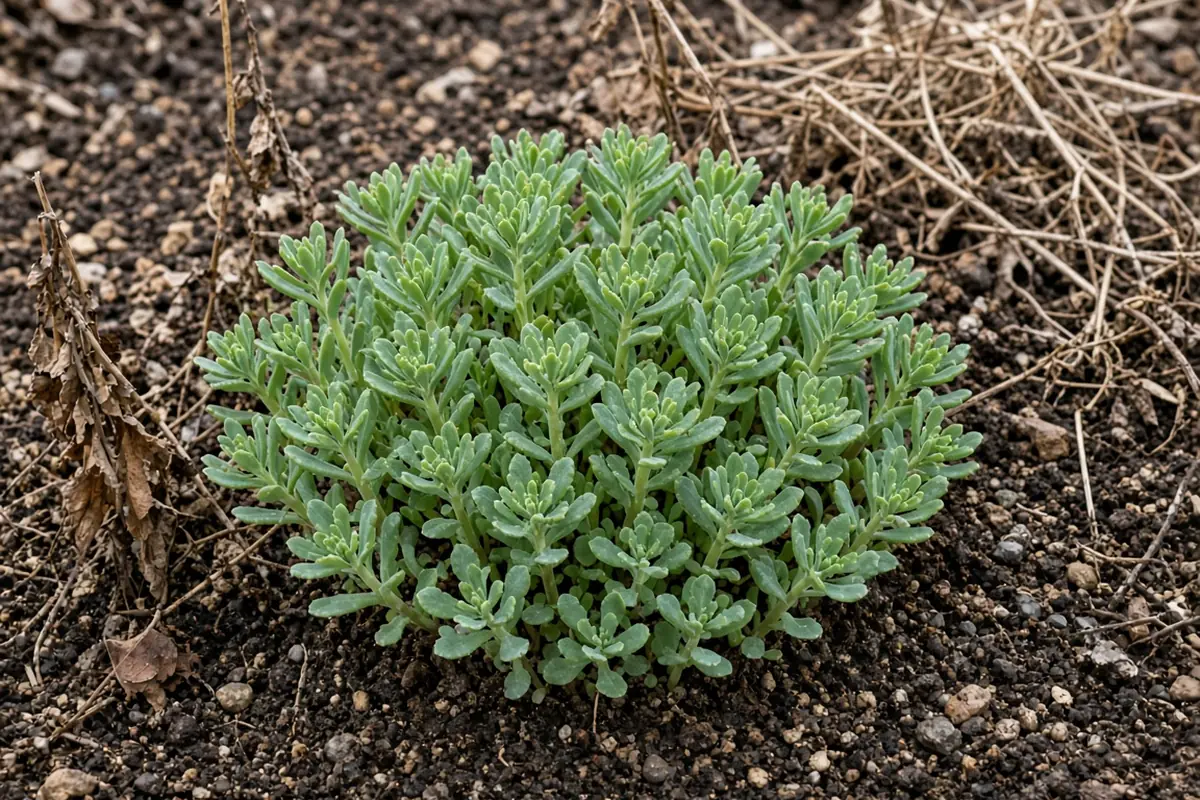
- Pinch or cut stems back in early spring.
- Avoid summer pruning.
- Leave seed heads standing into winter.
Troubleshooting
Clump splits open: rich soil. Stop feeding.
Soft, dying stems: wet soil plus root rot. Improve drainage.
Tall floppy stems: no pinching. Pinch in early spring.
For related reading see soil checks for cannabis, planning an outdoor cannabis garden layout plus soil drainage checks for cannabis beds. Kind Seed Co also stocks cannabis seeds.
Sources
- Hylotelephium spectabile, showy stonecrop, NC State Extension Gardener Plant Toolbox
- Hylotelephium (stonecrop), NC State Extension Gardener Plant Toolbox
- Flowering perennials: characteristics plus culture (G6650), University of Missouri Extension
- Earth Kind plant selection, Texas A&M AgriLife Extension
FAQ
Do sedums need watering?
Rarely. NC State Extension says showy stonecrop is drought and salt tolerant and requires little attention. University of Missouri Extension calls sedum very heat and drought tolerant. NC State says it can suffer in overly moist soil, and notes that many stonecrops may have root rot in poorly drained soils, so water only in long dry spells.
Should sedum flower heads be left in winter?
Yes, if you like the look. NC State Extension says seed heads can be left on for winter interest. The flower clusters turn dark reddish brown with age, and the stonecrop genus profile also lists winter interest. Cut the old stems in early spring when you pinch the new growth.
How much sun does sedum need?
NC State Extension says showy stonecrop requires full sun or partial shade. Full sun means 6 or more hours of direct light a day, and partial shade means 2 to 6 hours. NC State adds that many stonecrops prefer full sun in well drained soils, so pick the sunniest spot you have.
How is sedum propagated?
NC State Extension says showy stonecrop is easily rooted from stem cuttings. Stems pinched in early spring can serve as cuttings. Place them in well drained mix and give them sun. The plant grows at a medium rate and forms a mound 1 to 2 feet high and wide.
Do rabbits or deer browse sedum?
NC State Extension says showy stonecrop resists browsing by rabbits, but not by deer. It is also salt tolerant and works in rock gardens, containers and borders. Aphids, mealybugs, nematodes, scale, slugs and weevils can be problems, so check plants that look weak or chewed.