
Stem Nesting Bees: Cutting Perennial Stems to Useful Heights
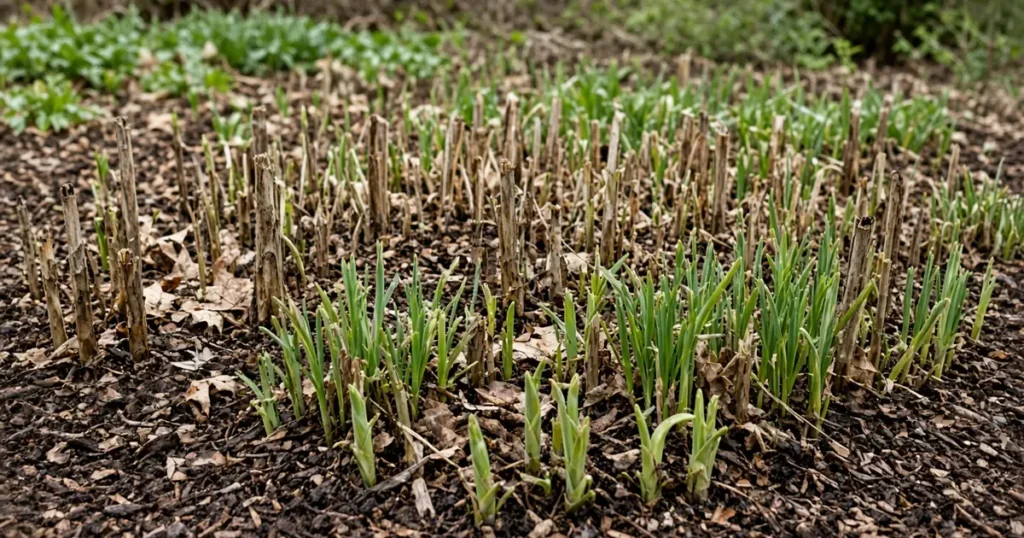
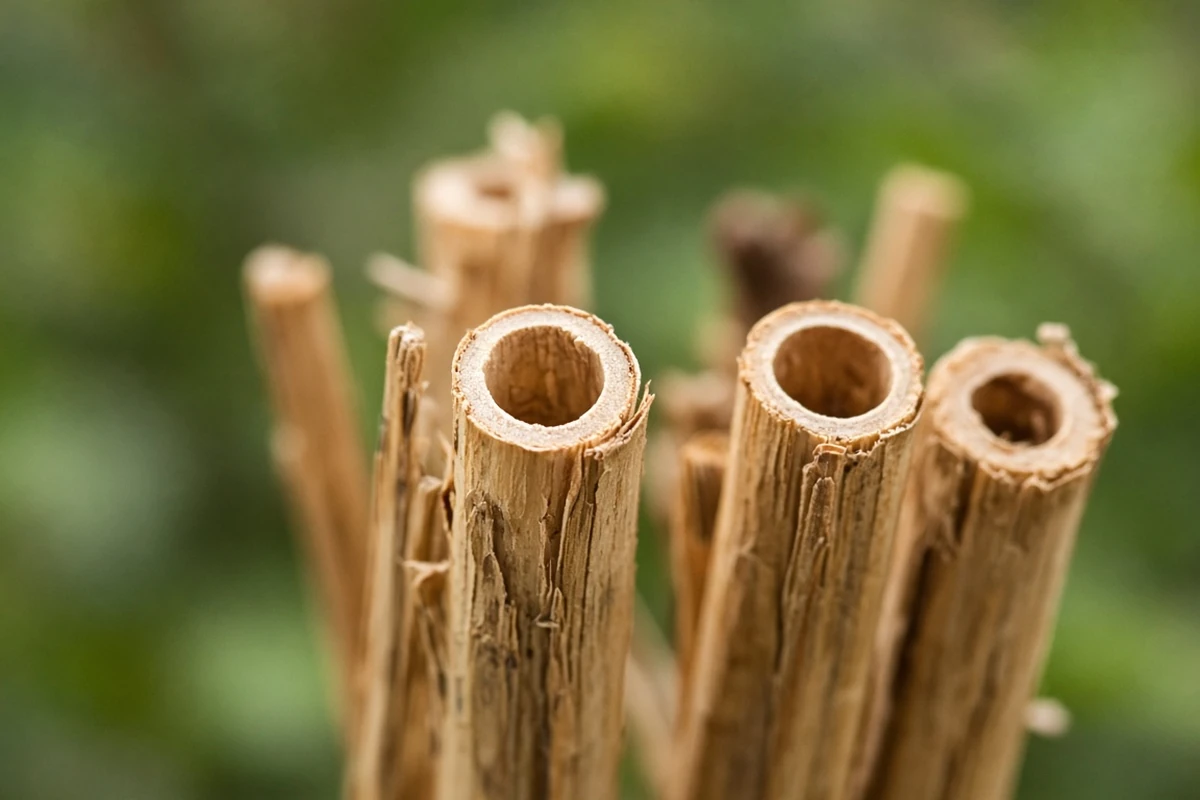
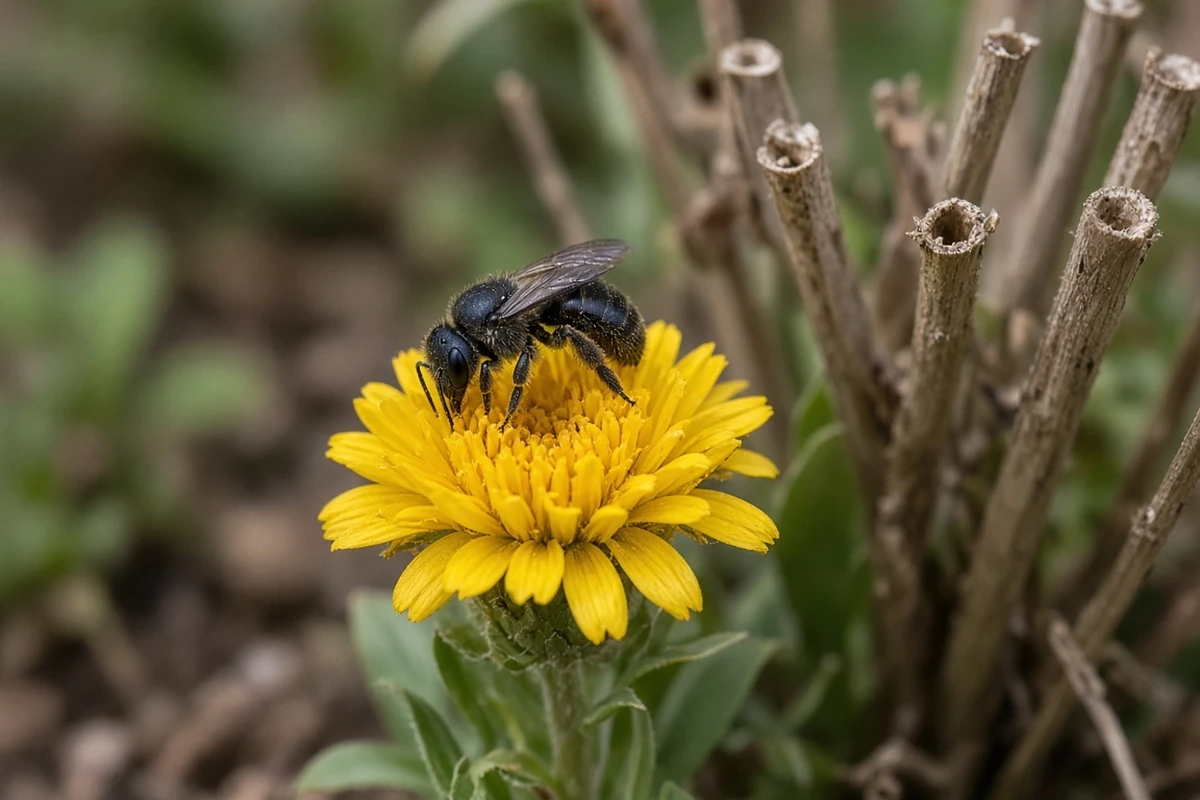
Stem nesting bees are solitary bees that lay eggs inside hollow or pithy plant stems. NC State Extension says some species nest in dead stems that are naturally hollow while others tunnel into cut stems by digging out the soft pith. Each nest is a row of chambers, each stocked with pollen and one egg.
The short answer
Cut perennial stems to a stubble about 12 to 24 inches tall and leave it standing. NC State found stems aren’t occupied in their first winter, so it calls winter a good time to trim. The University of Minnesota Bee Lab suggests stem heights from 8 to 24 inches or more.
What are stem nesting bees?
The University of Minnesota Bee Lab says most bees, 60 to 70%, nest in the ground. The other 30 to 40% are cavity nesters that use hollow stems or beetle holes in wood. Most bees are solitary, says the USDA Forest Service. NC State adds that solitary bees nest alone and do not aggressively defend their nests. Read about bees in a mixed garden in what roles do bees play in outdoor cannabis.
When should you cut perennial stems?
NC State found that winter, not spring, is an ideal time to trim, since stems are not occupied in their first winter. Illinois Extension and the Minnesota Bee Lab both suggest cutting stems in spring. Pick one plan and stick with it. For a wider look at fall work, see fall garden cleanup after cannabis harvest.
How tall should the stubble be?
| Item | Target | Source |
|---|---|---|
| Stubble height | 12 to 24 inches | NC State |
| Height range | 8 to 24 inches or more | Minnesota Bee Lab |
| Stem width | 1/8 to 5/16 inch | Minnesota Bee Lab |
| Stand time | Through summer, winter and half the next summer | Minnesota Bee Lab |
| Bundles | Skip them | Minnesota Bee Lab |
NC State saw stems start breaking down in year two. Sheltered garden spots can help stems last, as garden microclimates for cannabis explains.
How to: step by step
- Let perennial stems die back in fall.
- Trim in the first winter to 12 to 24 inches.
- Vary heights between 8 and 24 inches.
- Leave the stubble standing into the next summer.
- Plant flowers for pollen nearby. See companion plants when growing marijuana.
Troubleshooting
Cut stems to the ground last year: leave stubble this time.
Stems bundled in a pile: the Bee Lab says not to clump or bundle stems.
Stubble looks messy: Illinois Extension says new growth quickly hides the stalks.
Leave a little stubble
Cut stems can host bees for a season. Kind Seed Co shares more notes for growers who garden for pollinators.
Sources
- Garden cleanup for pollinators: trim perennial stems in their first winter, NC State Extension
- Create nesting habitat, University of Minnesota Bee Lab
- When should I start cleaning up my garden?, University of Illinois Extension
- Bees, USDA Forest Service
FAQ
Which plants have good nesting stems?
NC State lists stems such as bee balm, blazing star and cutleaf coneflower used by small carpenter bees in its study.
What share of bees nest in stems?
The Minnesota Bee Lab says 30 to 40% of bees are cavity nesters that use hollow stems or holes in wood.
How long should stubble stay?
The Bee Lab says through summer, winter and at least the first half of the second summer.
Can I bundle cut stems?
The Bee Lab advises against clumping or bundling stems.
What stem width suits these bees?
The Bee Lab suggests stem diameters from 1/8 to 5/16 inch.



