
Symphylans In Cannabis Soil: How To Spot Root Feeders
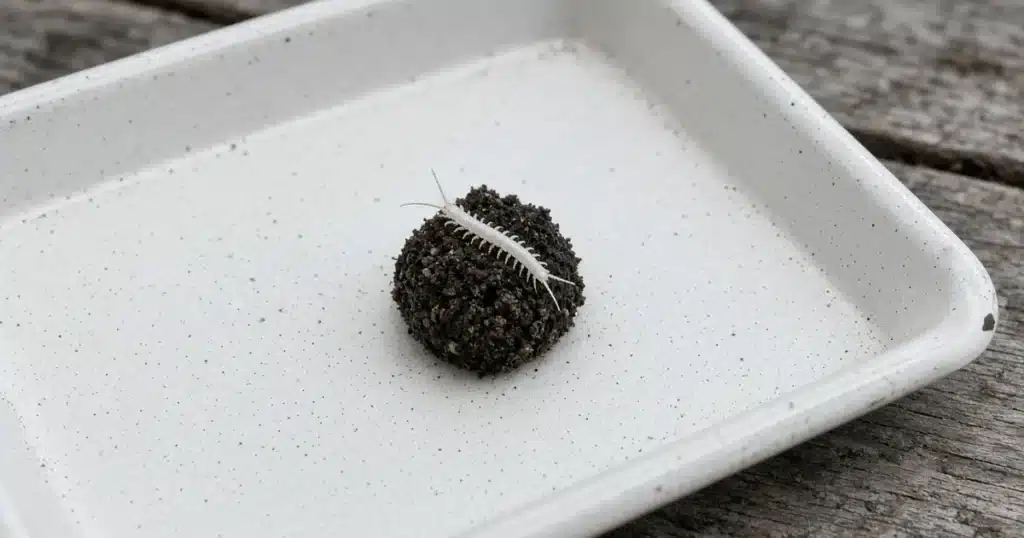
Quick answer: Symphylans in cannabis soil are slender, white soil arthropods with twelve pairs of legs, fourteen body segments and a pair of antennae. They run rapidly when exposed to light. UC IPM says they feed on roots of many crops and weeds and may slow the growth of larger plants. Check moist soil for fast white movers.
What Are Symphylans?
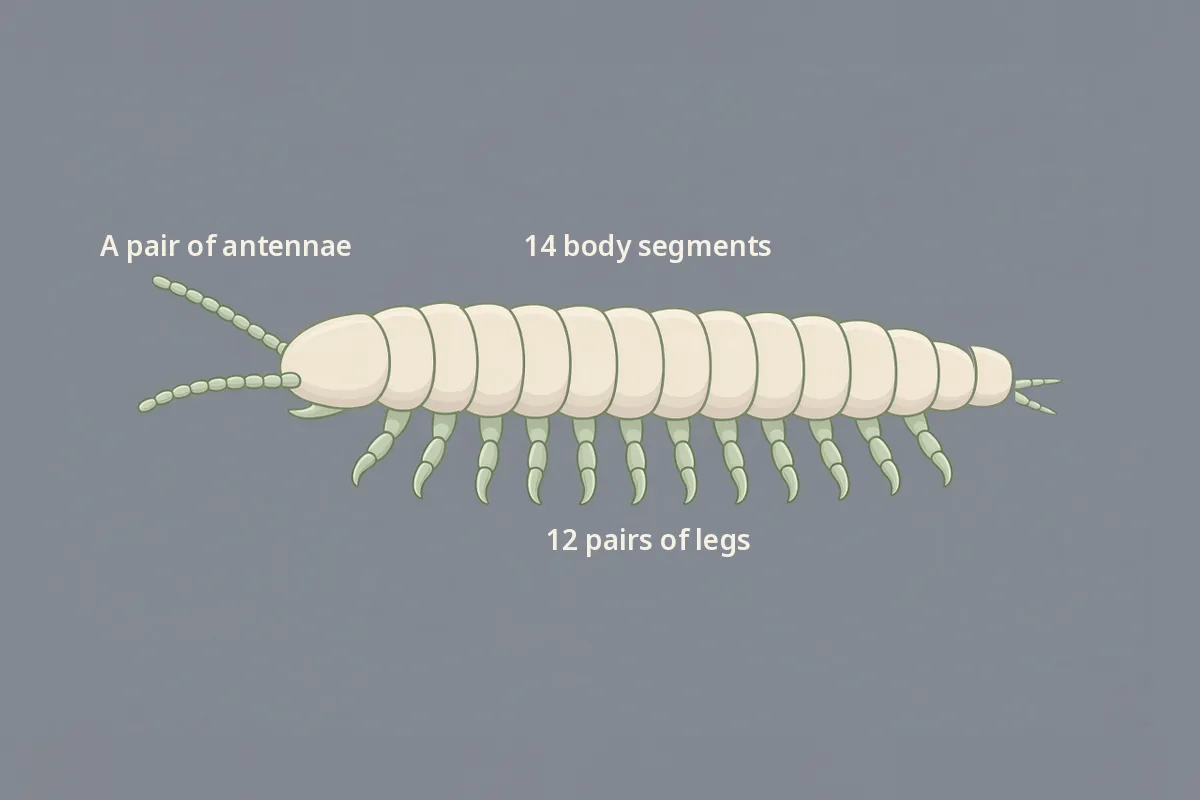
Garden symphylans are slender white soil arthropods. UC IPM says they are not insects. They have twelve pairs of legs, fourteen body segments and a pair of antennae, and they run rapidly when exposed to light.
Their pale color and speed make them easy to miss. The Pacific Northwest handbook describes spreading a soil sample on a dark sheet and breaking it apart to count them.
Growers often first notice them when potting mix or bed soil is spread on a tray and pale runners scatter toward the edges. That speed is the main field clue that you are not looking at slow millipedes.
Under a hand lens the antennae and even leg pairs stand out. Without a lens, the best clue is motion: a pale runner that vanishes into a pore as soon as light hits the soil.
Symphylans vs Springtails, Centipedes and Millipedes
| Critter | Look | Movement | Feeding |
|---|---|---|---|
| Symphylan | White, many leg pairs, a pair of antennae | Runs fast, no jump | Root hairs and fine roots |
| Springtail | Tiny, soft, often dark or pale | Jumps with a forked tail | Mostly fungi and decaying matter |
| Centipede | One pair of legs per segment | Runs, predator | Other small animals |
| Millipede | Rounded, many short legs | Crawls slowly | Mostly decaying matter |
Springtails are a look-alike. Tell them apart from symphylans before you start steps meant for the wrong organism, and read about springtails in cannabis soil if yours jump.
Signs Symphylans Are Feeding on Roots
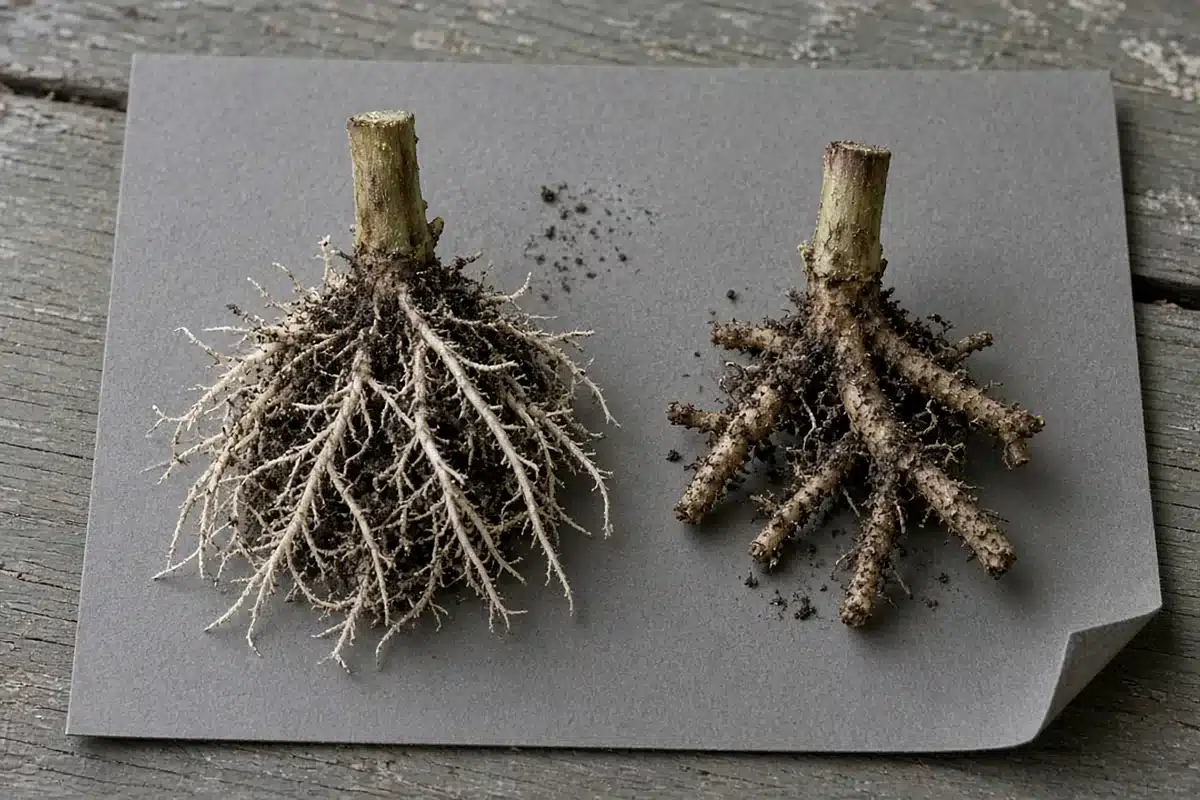
Symphylans feed on roots of many crops and weeds. They may damage seedlings before or after emergence and may slow the growth of larger plants, UC IPM says. Plants stay stunted even with good care when fine roots are chewed away.
They are associated primarily with moist, organically rich soil, and they feed on decaying as well as living plant material. The Pacific Northwest handbook notes that symphylan populations are patchy, so one spot can hold none while another holds many.
Transplants can stall when new roots trying to leave the plug are chewed. The top growth looks underfed even when you water and feed on schedule. Dig beside a weak plant and check moist soil, not the dry crust.
Fine roots look stubby or missing while older woody roots remain. New growth slows. The Pacific Northwest handbook notes that chronic root feeding cuts a plant’s ability to take up water and nutrients, which shows as general stunting.
Because populations are patchy, walk the whole bed before you decide the whole plot needs the same response.
How to Check for Symphylans in Cannabis Soil

Expose moist soil and watch for fast white movers, or spread a soil sample on a dark tray. The Pacific Northwest handbook describes digging down to moist soil, setting half a sliced potato cut side down on it and covering it with a pot. Check it one to three days later, and count the white movers on the soil before the ones on the potato.
You can also spread a soil sample on a dark tray indoors and watch for quick white runners. Digging alone often misses them because they vanish into deeper pores as soon as the surface dries or brightens.
Compare a weak patch with a strong patch a few feet away. Symphylan pressure is often patchy. A slice that stays empty in a vigorous area and fills with movers in a weak spot supports the diagnosis.
If you use the potato check, keep the cover on so the surface does not bake. A cup or small pot without drain holes works as a cover. Weigh it down so wind does not tip it.
Do the check when the bed is already moist from irrigation or rain. Dry crust checks miss animals that sat deeper overnight.
Write down counts per slice. A single mover matters less than a pattern across several stations in the same weak patch.
Where Symphylans Build Up

Garden symphylans favor moist, organically rich soils, UC IPM says. The Pacific Northwest handbook adds that they gather in the top 6 inches when soil is moist and warm in spring and fall and move deeper in July and August, which is why a midsummer dig can look empty.
Because they also feed on decaying plant material, let cover crops and manure finish breaking down before you plant.
Unfinished compost and raw scraps add the same food in pots. Finish compost before it touches a root zone.
Steps That Lower Numbers in Fields With Heavy Symphylan Pressure
Garden symphylans are difficult to manage. In home gardens, UC IPM notes that flooding for about three weeks can limit the problem if your soil will hold water. Vigorously disturbing dry soil just before planting, such as with a rototiller, may reduce numbers by abrading their soft bodies.
In fields with heavy symphylan pressure, keep unfinished manure and raw organic matter from sitting undecomposed in the root zone, and use fresh potting mix in containers rather than garden soil from a known hotspot.
For containers, start clean. Do not scoop backyard soil into fabric pots if that bed already showed stunting and fast white runners. Wash tools that moved between a hotspot and a clean bed.
Flooding only helps if water stands for about three weeks and then drains. Sandy beds that never pond will not get that effect. Dry tillage before planting is the more realistic home-garden lever in those soils.
After a cleanup season, recheck moist soil for fast white movers before you trust the bed again. Populations can rebound from deeper soil once the bed turns moist again.
Sources
- UC IPM, Garden Symphylans (Home and Landscape)
- Pacific Northwest Insect Management Handbook, Biology and Control of the Garden Symphylan
FAQ
What Do Symphylans Look Like?
Garden symphylans are slender and white. They are not insects. UC IPM notes they have twelve pairs of legs, fourteen body segments and a pair of antennae, and they run rapidly when exposed to light. Pale color and speed make them easy to miss until soil sits on a dark tray.
Are Symphylans Harmful to Plants?
Yes. They feed on roots of many crops and weeds. They may damage seedlings before or after emergence and may slow the growth of larger plants, UC IPM says. They prefer moist, organically rich soil, and the Pacific Northwest handbook notes that their populations are patchy.
How Are Symphylans Different From Springtails?
Springtails are tiny jumping decomposers that mostly feed on fungi and organic matter and rarely hurt healthy plants. Symphylans have many leg pairs, move fast without jumping and chew living root hairs. A jump points to springtails. Fast running without a jump points to symphylans.
Are Garden Centipedes Real Centipedes?
No. Garden symphylans are often called garden centipedes, but they are a different group of soil arthropods. True centipedes have one pair of legs per body segment and are predators. Symphylans have up to twelve pairs of legs and feed on roots.


