
Terra Preta Explained: Amazonian Dark Earth and Home Garden Lessons
The short answer
Terra preta, or Amazonian dark earth, is a fertile, dark soil that people built up over centuries using charcoal, food scraps and other organic waste. Modern biochar shares some of its traits, but results vary by soil and by what the char is made from. The main lesson for gardeners is steady organic matter over time.
Terra preta draws attention because it stays rich long after the people who made it moved on. Its story holds useful ideas for any garden.

What is terra preta?
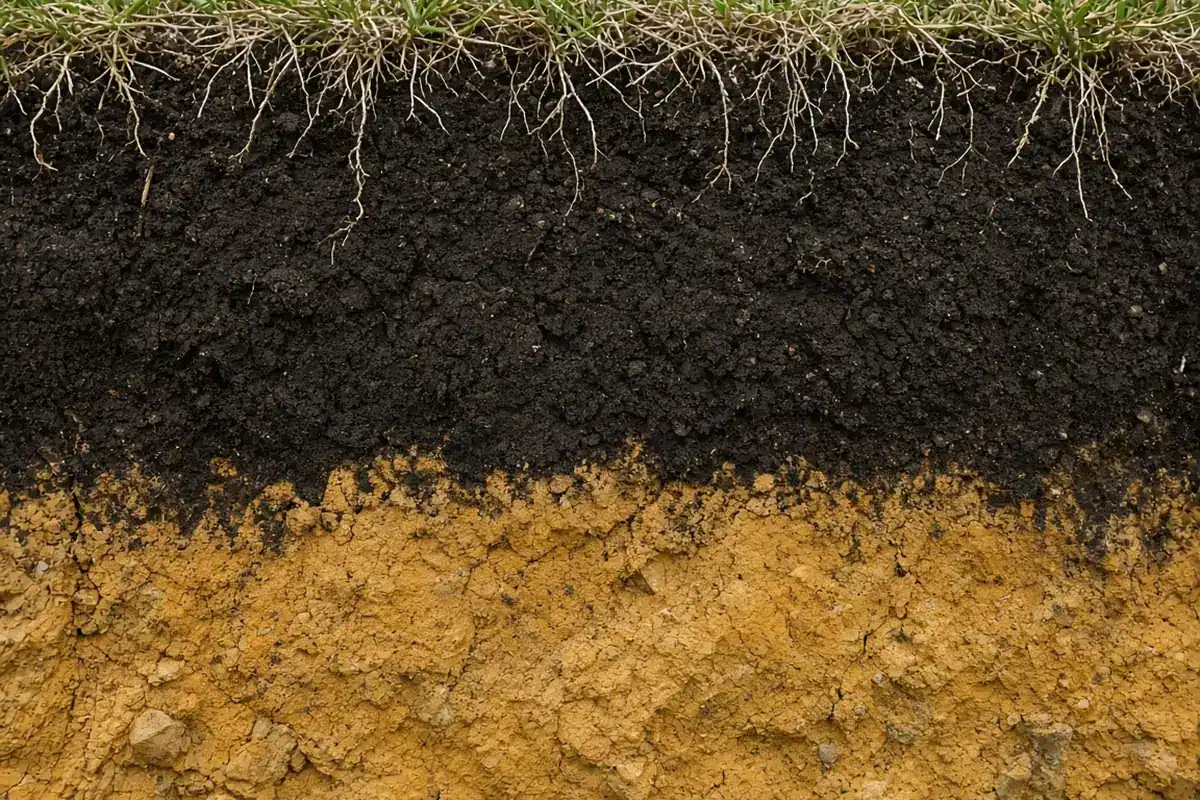
Most soils in the Amazon basin are old, weathered and low in nutrients. Heavy rains wash nutrients away. Yet scattered across the region are patches of deep, black, fertile soil. Local people call it terra preta, Portuguese for black earth.
These patches formed where people lived for long periods. Cooking fires left charcoal. Households added fish bones, pottery shards, ash, crop waste and manure. Over centuries, that mix built soils far richer than the land around them.
Terra preta holds nutrients and water better than nearby soils. It also carries large amounts of stable carbon in the form of charcoal, which breaks down slowly.
How does biochar relate to it?
Biochar is charcoal made on purpose for soil use. Plant material such as wood chips or crop residue is heated with little oxygen. The result is a porous, carbon rich solid.
Researchers became interested in biochar because of terra preta. Charcoal is one thing that sets those soils apart.
The Utah State University Extension page defines biochar and covers its research. Results depend on the feedstock, the heating temperature and the soil it goes into.
The New Mexico State University circular on biochar for arid and semi arid soils looks at biochar in dry western soils. It notes that many biochars are alkaline, which matters in soils that already have high pH. Benefits are more likely in sandy, low organic matter soils than in rich loams.
| Trait | Terra preta | Modern biochar |
|---|---|---|
| Origin | Built by people over centuries | Made in a kiln or retort in hours |
| Ingredients | Charcoal, food waste, bones, ash, manure | Charcoal from one feedstock |
| Nutrients | Rich from many organic inputs | Few on its own until charged |
| Effect on pH | Varies | Often alkaline |
| Results | Long lasting fertility | Vary by soil and feedstock |
Sources: Utah State University Extension, New Mexico State University.
What can home gardeners learn?
The big lesson is that terra preta was not made by charcoal alone. It came from steady additions of many organic materials over a long time.
Home gardeners can follow the same idea with compost, mulch, leaf mold and cover crops. Those inputs feed soil life and build organic matter year after year.
Our post on living soil and cannabis to stimulate plant resilience explains how soil organisms build structure and cycle nutrients. Our post on composted bark for cannabis covers one slow breaking organic input.
How does organic matter work in soil?
Organic matter can improve water retention and help soil hold nutrients. It feeds the microbes and fungi that break it down and release nutrients to roots.
The Colorado State University Extension botany notes cover how roots take up water and nutrients from soil. Roots grow well in soil with good structure and steady moisture, which organic matter supports.
Charcoal adds a stable framework with many small pores. Microbes live in those pores, and nutrients cling to their surfaces. On its own, though, fresh char can hold onto nutrients that plants need.
Should you charge biochar first?
Yes. Fresh biochar can soak up nitrogen and other nutrients from the soil around it. Plants may yellow for a while after it’s added.
Charging means soaking biochar in compost, compost tea or a nutrient solution before use. Mixing it into a compost pile for a few weeks works well. The pores fill with nutrients and microbes, so the char gives rather than takes.
Our post on soil amendments vs fertilizers explains the difference between materials that change soil and those that feed plants directly. Biochar is an amendment.
How should you try biochar?
Start small. Add charged biochar to one bed or part of a bed and leave another part without it. Grow the same crop in both and compare.
Get a soil analysis first, mainly for pH. If your soil is already alkaline, high pH biochar may push it even higher.
Watch plants through a season. Results often take time to show.
How do you build soil like terra preta over time?
Add compost every season. Mulch beds with leaves, straw or wood chips. Grow cover crops over winter. Return crop residues to the soil.
Over years, these habits darken soil and build organic matter, much as households in the Amazon did over centuries.
How to: step by step
- Learn how terra preta formed over time.
- Get a soil analysis before adding amendments.
- Add compost and organic matter regularly.
- Try biochar on a small area if interested.
- Charge biochar with compost before use.
- Compare plant growth over a season.
Take notes on what you added and when. Changes in soil come slowly.
Troubleshooting
No benefit from biochar. It’s a poor fit for the soil. Try small areas first.
Plants yellow after biochar. Nutrients are tied up. Charge it first.
pH rises. The biochar is alkaline. Check soil pH.
Dusty biochar blows away. It’s too dry. Moisten it before spreading.
Slow change in soil. Organic matter builds slowly. Continue adding compost each season.
Terra preta shows that patient, steady care builds soil that lasts. Kind Seed Co shares more garden projects in outdoor growing.
Sources
- Biochar for arid and semi arid agricultural soils (CR-690), New Mexico State University, Biochar for arid and semi arid agricultural soils (CR-690)
- What is biochar and how is it used?, Utah State University Extension, What is biochar and how is it used?
- Botany (CMG GardenNotes 120), Colorado State University Extension, Botany (CMG GardenNotes 120)
FAQ
Can you make terra preta at home?
Not exactly. Terra preta formed over centuries. You can follow its lessons with compost, mulch and charged biochar.
Is biochar the same as charcoal briquettes?
No. Briquettes contain binders and additives. Biochar is plain char made for soil.
Does biochar work in all soils?
No. Benefits are more likely in sandy, low organic matter soils.
How long does biochar last?
Biochar breaks down very slowly and can stay in soil for a very long time.
How much biochar should I add?
Start with a small amount on one bed and compare results.



