
Permanent Beds and Paths: Feet Off Growing Soil
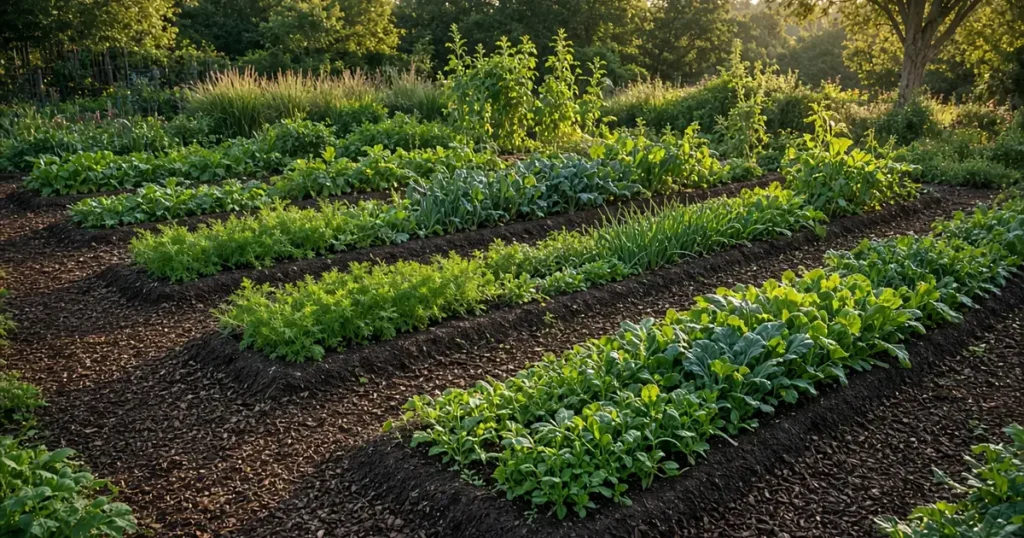
Permanent beds and paths split the garden into growing areas that are never walked on plus paths that take all the foot traffic. University of Minnesota Extension notes permanent beds limit walking to between beds, which prevents compaction from body weight. The soil in the beds stays loose year after year.
The short answer
Make beds narrow enough to reach the center from each side plus walk only on the paths. University of Minnesota Extension notes this prevents compaction from your body weight on the beds. University of Maryland Extension notes beds are usually 2 to 4 feet across. Cover paths with wood chips, mulch, straw or grass.
How wide should permanent beds be?
Maryland Extension puts most beds at 2 to 4 feet wide. University of Wisconsin Madison Extension advises a width that lets you reach the center from each side, about 3 feet.
| Feature | Guide | Source |
|---|---|---|
| Bed width | 2 to 4 feet | Maryland |
| Reach from both sides | About 3 feet | Wisconsin |
| Fork spacing | Every 6 to 8 inches | Maryland |
| Compost to topsoil | 1:2 or 1:1 | Maryland |
Source: University of Maryland Extension plus University of Wisconsin Madison Extension.
What goes on the paths?
University of Maryland Extension notes paths are often covered in turfgrass, wood chips or another mulch. University of Minnesota Extension notes mulch or a low cover crop such as clover between beds helps water soak in plus stops mud. Choose a surface that suits how often you walk there.
How do you loosen soil without tilling?
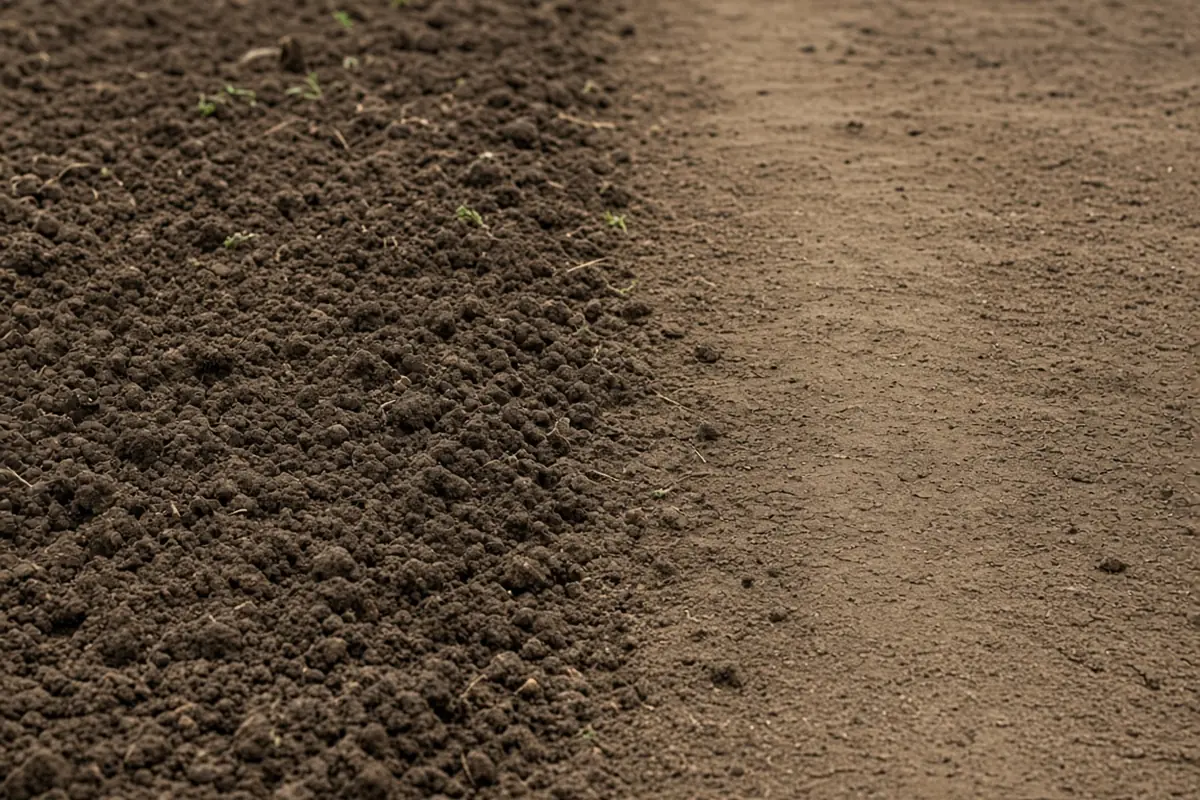
University of Minnesota Extension notes a broadfork loosens soil without breaking up its structure. University of Maryland Extension advises driving a garden fork into the soil, rocking it back and forth, then moving 6 to 8 inches plus repeating. It advises against flipping the soil over.
How to: step by step
- Mark beds about 3 feet wide.
- Mark out paths between them.
- Loosen the bed soil with a fork.
- Spread compost across the beds.
- Cover the paths with mulch or grass.
- Walk only on the paths from then on.
Troubleshooting
Soil packed hard: someone walked on the bed. Narrow the bed so you reach in from the path.
Weeds in the paths: the path soil is bare. Cover it with wood chips, straw or a low cover crop.
Beds sinking: rain is eroding plus settling the soil. Add compost plus topsoil to lift the bed again.
For related reading see soil compaction in cannabis beds, tilling vs no till cannabis beds plus mulch for cannabis. Kind Seed Co also stocks cannabis seeds.
Sources
- Reducing tillage in your garden, University of Minnesota Extension
- Growing vegetables in raised beds, University of Maryland Extension
- Wide row planting, square foot gardening and raised beds (A3384), University of Wisconsin Extension
FAQ
Should permanent beds be raised?
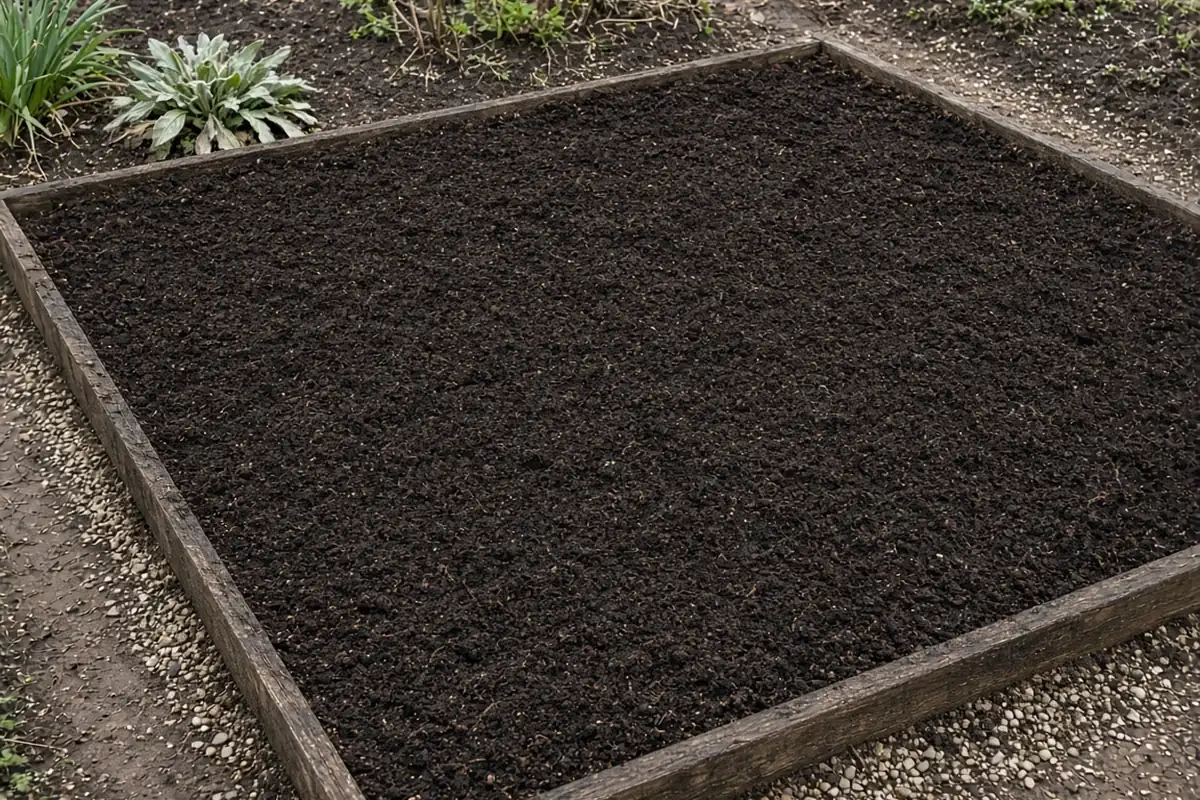
They can be either way. University of Minnesota Extension notes permanent beds can be raised beds with wooden sides or simple mounded rows. Both work as long as the beds stay put plus people walk only on the paths. Wooden sides help hold the edge so the bed shape does not slump.
Can paths be grass?
Yes. University of Maryland Extension notes permanent paths are often covered in turfgrass, wood chips or another mulch. University of Minnesota Extension notes a low growing cover crop such as clover can go between beds. Grass paths need mowing, so leave them wide enough for the mower you own.
Can a garden fork replace tilling?
For most beds, yes. University of Minnesota Extension notes tillage breaks soil into smaller pieces that compact plus erode more easily. It notes a broadfork loosens soil without breaking up its structure. University of Maryland Extension describes rocking a garden fork every 6 to 8 inches without flipping the soil.
Do permanent beds need compost dug in?
University of Maryland Extension advises spreading compost plus topsoil on top at a 1:2 or 1:1 ratio. Rocking a garden fork through the bed gently mixes it in. University of Minnesota Extension notes reduced tillage builds a more diverse soil life over time, so there is no need to turn the soil each year.
What goes on paths in a large garden?
University of Minnesota Extension notes larger gardens can use soil mounded into rows with walking areas filled with straw, wood chips or a groundcover. Smaller spaces can use raised beds with walking areas between them. Either way the paths stay put from year to year.


