
What Is a Bulblet? Small Bulbs That Form Around a Parent Bulb
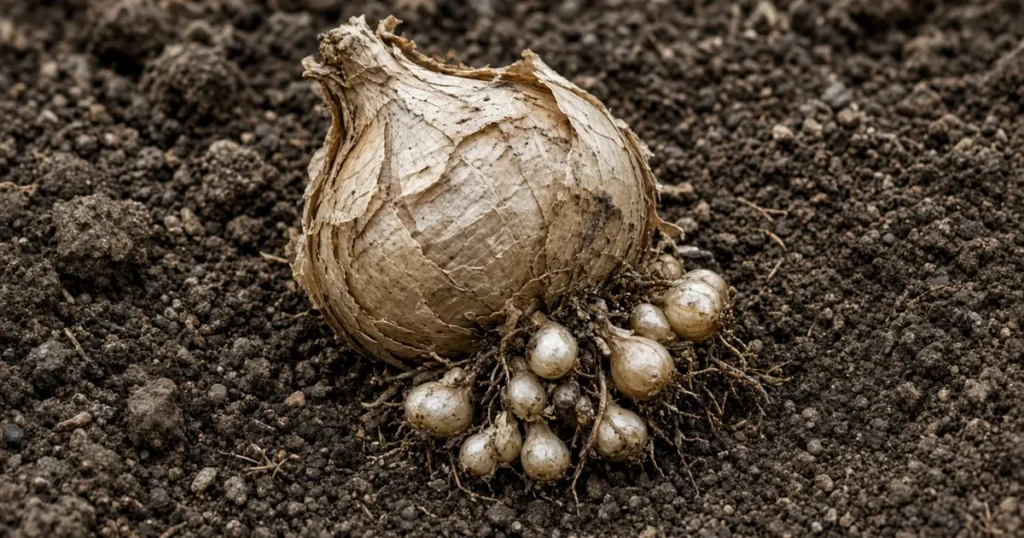
A bulblet is a small new bulb that forms on a parent bulb below ground. Illinois Extension says the lateral buds of a true bulb develop into bulblets or offsets, and that lilies form bulblets at the base of their fleshy scales. Gardeners lift and grow them on for more plants.
The short answer
A bulblet is a baby bulb that grows from a bud on a parent bulb. Illinois Extension says lily bulblets form at the base of the scales, while bulbils form above ground in the leaf axils. Separate bulblets into their own bed and expect over a year before they flower.

What is a bulblet?
A true bulb is a short stem called the basal plate with fleshy scales that store food, as UF IFAS propagation notes describe. Illinois Extension lists the parts as the basal plate, scales, tunic, shoot and lateral buds. Those buds become bulblets or offsets. Stems and leaves in other plants follow a similar plan, see cannabis leaf anatomy.
How is it different from a bulbil?
| Term | Where it forms | Source |
|---|---|---|
| Bulblet | Below ground, at the base of bulb scales | Illinois Extension |
| Offset | From buds in the base of the mother bulb | Illinois Extension, UF IFAS |
| Bulbil | Above ground, in leaf axils | Illinois Extension, MOBOT |
| Cormel | Between a new corm and the old mother corm | UC Master Gardeners |
The Missouri Botanical Garden glossary defines a bulbil as a small deciduous bulb, an aerial vegetative diaspore. Gardeners use bulblet and offset loosely, but the table shows the usual split. Seeds do a different job, as cannabis seed anatomy shows.
How do you grow bulblets on?
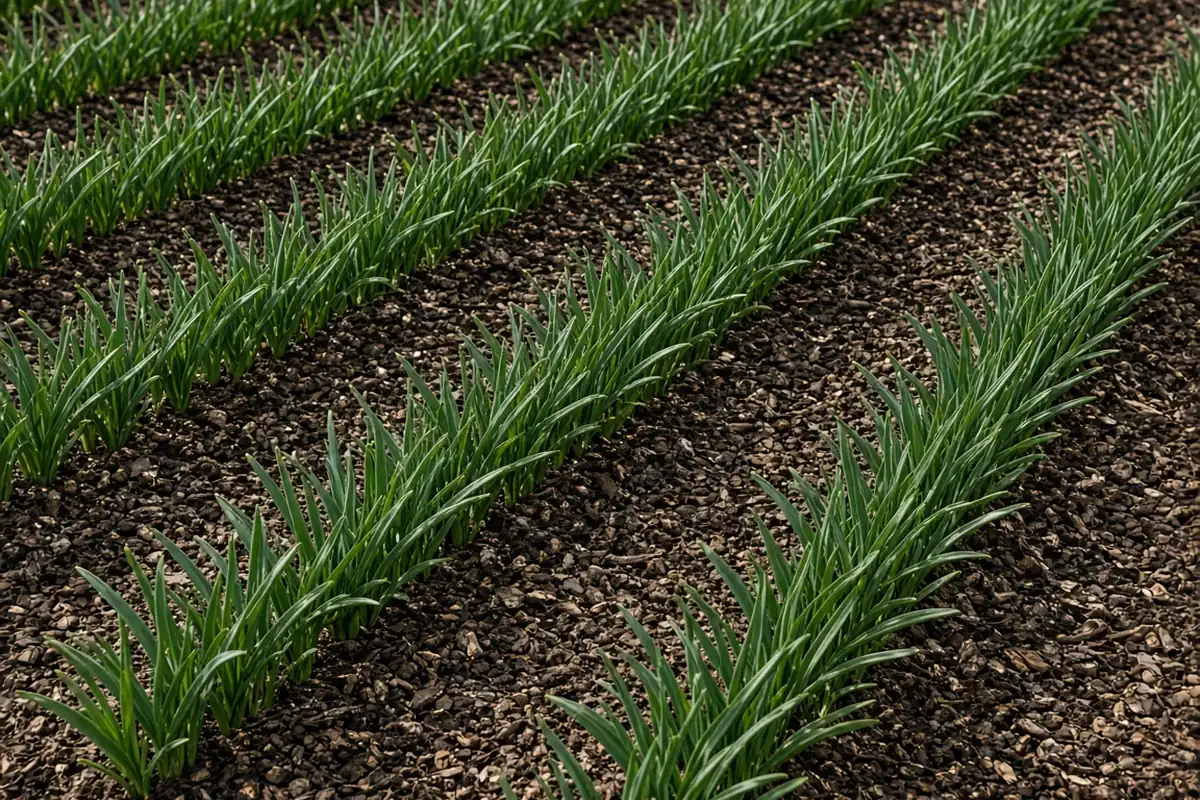
Illinois Extension says lily bulblets can be grown on in a moist sand medium, and that bulbils or bulblets take more than one year to reach flower size. UF IFAS notes that lily scales can be handled as leaf cuttings that form new bulbs at the cut surface. UF IFAS Gardening Solutions explains that lilies lack a papery tunic, so their scales dry faster. The young bulbs draw water through tissues like those in cannabis xylem and phloem.
How to: step by step
- Dig bulbs after the leaves yellow.
- Look for small bulbs at the base.
- Separate them gently.
- Plant them in a moist sand or nursery bed.
- Water and let them grow on.
- Replant each season until they reach flowering size.
Troubleshooting
No flowers means young bulbs that need more seasons, per Illinois Extension. Rot links to a poorly drained site, Illinois Extension says, so move them to drained soil. Tulips fading: Illinois notes some tulips and hyacinths decline after two to three years.
Bulbs follow seasonal growth stages, much like the life cycle of a marijuana plant on the Kind Seed Co blog.
Sources
- Bulbs, University of Illinois Extension
- Bulbs, Plant Propagation, UF IFAS
- Is this a bulb?, UF IFAS Gardening Solutions
- Bulbs, corms, rhizomes, and tubers, UC Master Gardeners
- Glossary A to H, Angiosperm Phylogeny Website, Missouri Botanical Garden
FAQ
Is a bulblet the same as an offset?
They are close. Illinois Extension says a bulb's lateral buds develop into bulblets or offsets, and offsets form from buds in the base of the mother bulb.
What is a bulbil?
Illinois Extension says lilies form bulbils in the leaf axils. The Missouri Botanical Garden glossary calls a bulbil a small deciduous bulb that spreads above ground.
How long until bulblets bloom?
Illinois Extension says it takes more than one year for bulbils or bulblets to reach flower size.
Can lily scales make new bulbs?
Yes. UF IFAS says lily scales can be handled as leaf cuttings that form new bulbs at the cut surface.
Why do my bulbs rot in the ground?
Illinois Extension says bulbs that rot after fall planting point to a poorly drained planting site.



