
Filament in Flowers: The Stalk That Holds the Anther
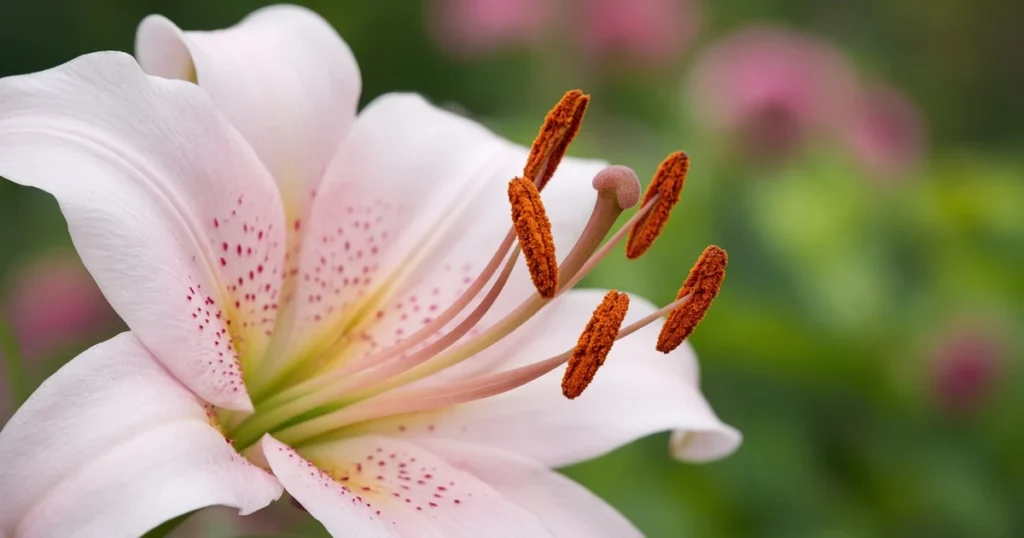
The filament in flowers is the thin stalk of the stamen. NC State Extension says each stamen has an anther with pollen chambers and a long supporting stalk called the filament. The filament holds the anther in place so wind, insects, birds or other pollinators can carry pollen off.
The short answer
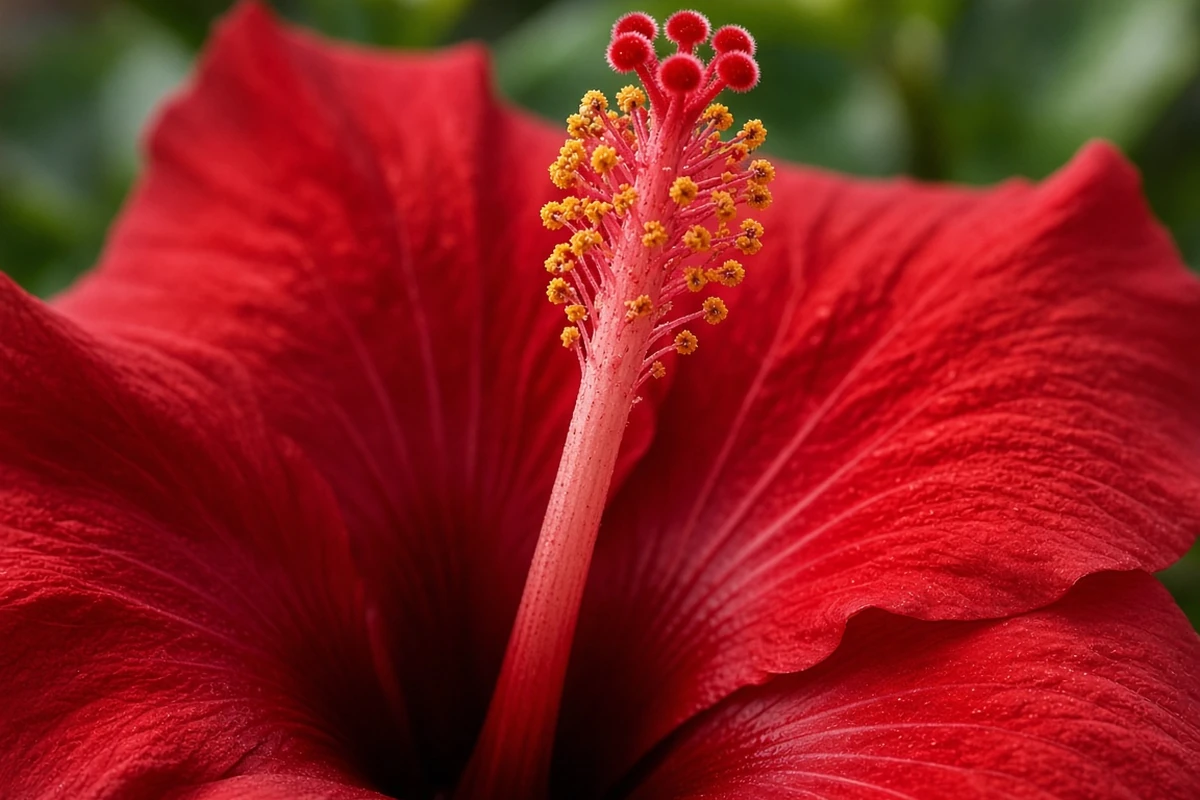
A filament is the stalk part of a stamen, the male organ of a flower. It raises the anther, where pollen forms, to a spot where wind or animals can pick pollen up. NC State says this lets pollen reach a stigma. Filament length differs between plants and even among flowers of one species.
What is a filament in a flower?
It’s half of the stamen. NC State describes the stamen as an anther on top of a filament. The pistil sits in the center and holds the stigma, style and ovary. Botanists call flowers with both stamens and pistils perfect. See related parts in cannabis seed anatomy.
| Part | Job | Where |
|---|---|---|
| Filament | Holds the anther in place | Stalk of the stamen |
| Anther | Makes pollen | Top of the filament |
| Stamen | Male organ | Ring around the pistil |
| Stigma | Site of pollination | Top of the pistil |
Source: NC State Extension.
How does the filament help pollination?
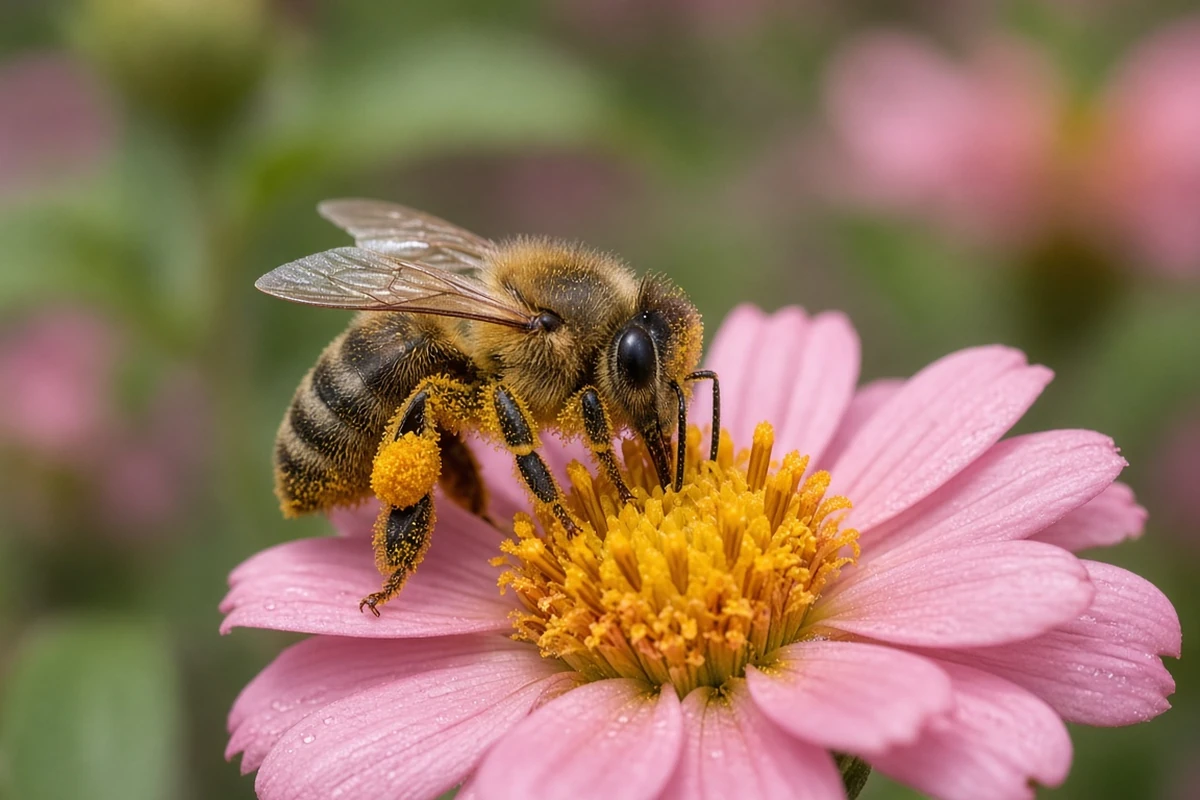
It puts pollen within a carrier’s reach. The Forest Service defines pollination as moving pollen grains from the male anther to the female stigma. Pollinators often pick up pollen while feeding, then drop it on the next flower they visit. Read about bee visits in what roles bees play in outdoor cannabis.
How do filaments differ between flowers?
UC Berkeley notes some species have two flower forms on different plants. Pin flowers pair long styles with short stamens, thrum flowers short styles with long stamens. That spacing favors pollen moving between the two forms. Berkeley also notes that wind pollinated plants often have small flowers with little or no showy perianth. Leaf structure is covered in cannabis leaf anatomy.
How to: step by step
- Pick an open, fresh flower such as a lily or tulip.
- Use a hand lens or magnifier.
- Find the ring of stamens around the center.
- Follow each stalk down from the pollen sac.
- Compare it on two or three plants.
- Sketch or photograph what you see.
Troubleshooting
Can’t find filaments: closed flower. Pick an open one.
No stamens at all: a female only flower. NC State says some plants bear separate male and female flowers.
Many look alike: many stamens. Count a few.
Kind Seed Co shares these plant notes for growers of all kinds. Garden pairing ideas are in companion plants when growing marijuana.
Sources
- Extension Gardener Handbook, Chapter 3: Botany, NC State Extension
- What is pollination?, USDA Forest Service
- Pollination key concepts (IB 168 lecture 15), UC Berkeley Integrative Biology
FAQ
Is the filament male or female?
Male. NC State says the stamen is the male reproductive organ and that it consists of an anther and a filament.
Do all flowers have filaments?
No. NC State says imperfect flowers lack stamens or pistils. Some plants bear only female flowers, which have no stamens and so no filaments.
Why are some filaments so long?
UC Berkeley notes some species have thrum flowers with long stamens and pin flowers with short ones. This spacing favors cross pollination between the two forms.
What is the anther?
NC State says the anther sits on the filament and contains one to several pollen producing chambers.
What is a perfect flower?
NC State says a flower with both male and female reproductive parts is perfect. A flower missing stamens or pistils is imperfect.



