
Style in Flowers: The Stalk Between Stigma and Ovary
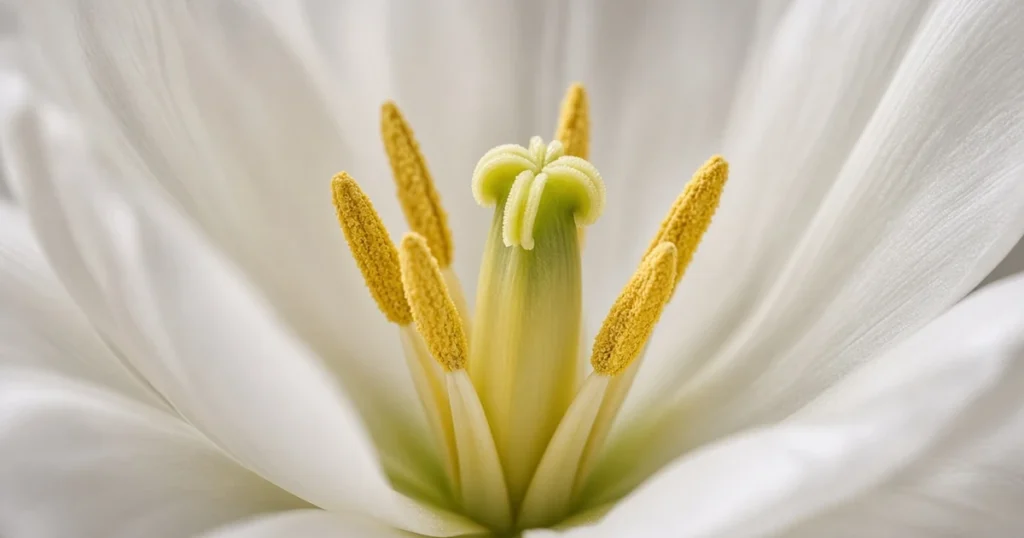
The style in flowers is the stalk that joins the stigma to the ovary. NC State Extension says a single pistil consists of a stigma, style and ovary. The stigma sits on top as the site of pollination, and the ovary is the swollen part at the style’s base.
The short answer
A style is the middle part of the pistil, the female organ of a flower. Pollen lands on the stigma at its tip. The Forest Service says a pollen tube then forms on the sticky stigma and grows down into the ovule. When fertilization succeeds, seeds form and the ovary grows into fruit.
What is a style in a flower?
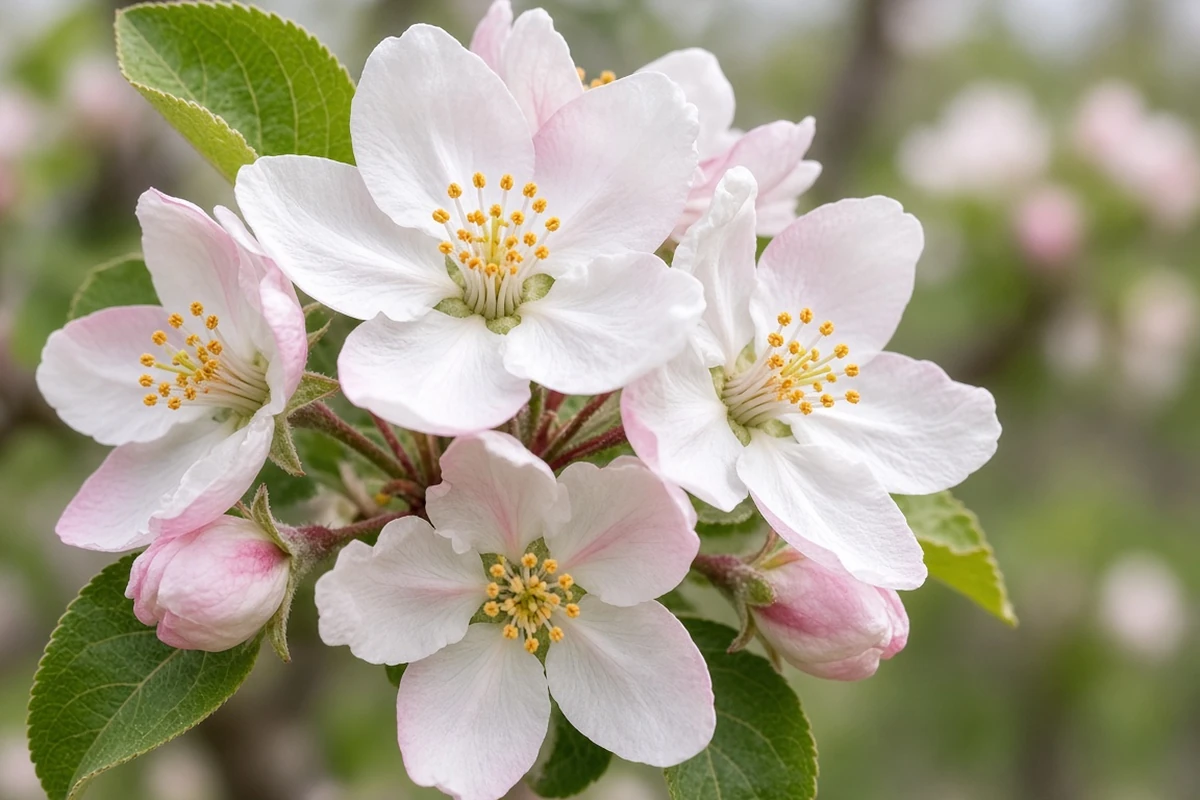
It’s the stalk of the pistil. NC State describes the pistil as stigma, style and ovary from top to bottom. The ovary holds ovules, each producing one egg cell. After fertilization the ovule becomes a seed and the ovary matures into the fruit. Seed parts are covered in cannabis seed anatomy.
| Part | Job | Where |
|---|---|---|
| Stigma | Site of pollination | Top of the pistil |
| Style | Links stigma to ovary | Middle of the pistil |
| Ovary | Holds ovules | Base of the style |
| Ovule | Becomes a seed | Inside the ovary |
Source: NC State Extension.
How does the style help fertilization?
It’s the route to the ovule. The Forest Service says pollen that lands on the stigma may germinate and form a pollen tube that grows down into the ovule. This can lead to full fertilization, partial fertilization with poorly formed fruit or seeds or no seed at all. Bees and pollen are covered in what roles bees play in outdoor cannabis.
How do styles differ between flowers?
UC Berkeley notes some species have pin flowers with long styles and short stamens and thrum flowers with short styles and long stamens. Corn offers another case. NC State labels corn silk as styles in its corn photos and notes corn is wind pollinated. Leaf anatomy is in cannabis leaf anatomy.
How to: step by step
- Pick an open, fresh flower such as a lily or squash.
- Use a hand lens or magnifier.
- Find the pistil in the center.
- Trace the stalk from the sticky tip to the swollen base.
- Compare it on two or three plants.
- Sketch or photograph what you see.
Troubleshooting
Can’t find the style: petals hide it. Pull a few off.
Two or more pistils: NC State says some flowers have more than one. Count them.
Confused with filaments: a pollen sac on top marks a stamen.
Kind Seed Co shares these plant notes for growers of all kinds. Garden pairing ideas are in companion plants when growing marijuana.
Sources
- Extension Gardener Handbook, Chapter 3: Botany, NC State Extension
- What is pollination?, USDA Forest Service
- Zea mays (corn), NC State Extension Gardener Plant Toolbox
- Pollination key concepts (IB 168 lecture 15), UC Berkeley Integrative Biology
FAQ
Is the style male or female?
Female. NC State says the pistil is the female structure of a flower and that each pistil has a stigma, style and ovary.
What is the stigma?
NC State says the stigma sits at the apex of the pistil and is the site of pollination. The Forest Service notes its surface is sticky.
Do all flowers have a style?
No. NC State says some plants have flowers with no pistil. Those male only flowers have no style.
Why are corn silks styles?
NC State labels corn silk as styles in its corn photos. Corn is wind pollinated, so NC State suggests planting in blocks of several rows.
What happens after pollen reaches the style?
The Forest Service says a pollen tube grows down into the ovule. NC State says the fertilized ovule becomes a seed.



