
What Is a Nectar Guide? Flower Markings That Lead Bees In
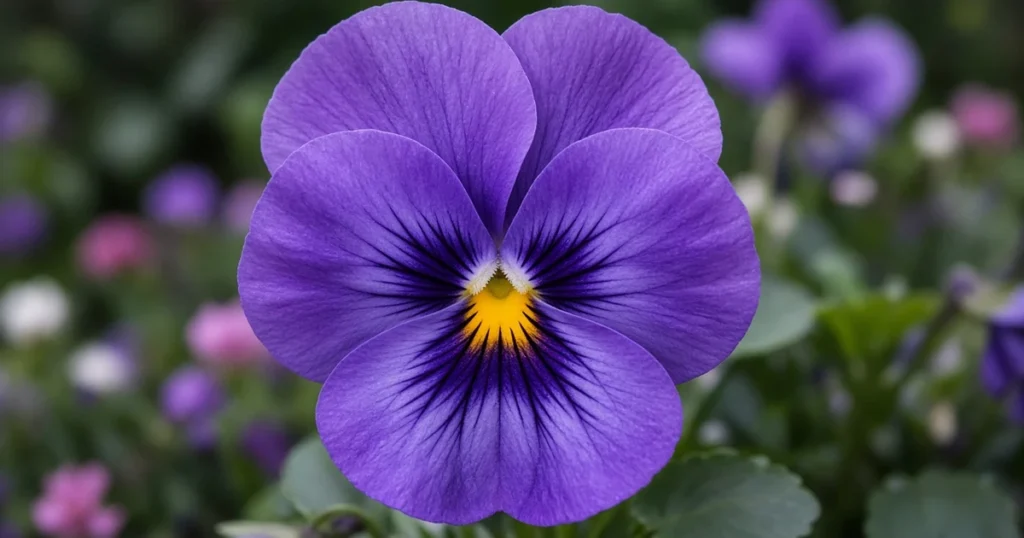
A nectar guide is a pattern on petals that points bees toward the center of a flower. The USDA Forest Service says many bee pollinated flowers have a region of low ultraviolet reflectance near the center of each petal. People can’t see it, but bees detect ultraviolet light.
The short answer
Nectar guides are contrasting ultraviolet patterns on petals. The Forest Service says the guide helps a bee quickly locate the center of the flower. The bee gathers nectar faster and pollinates the flower more effectively. Our eyes don’t reach into the ultraviolet, so most of the pattern stays hidden.
What are nectar guides?
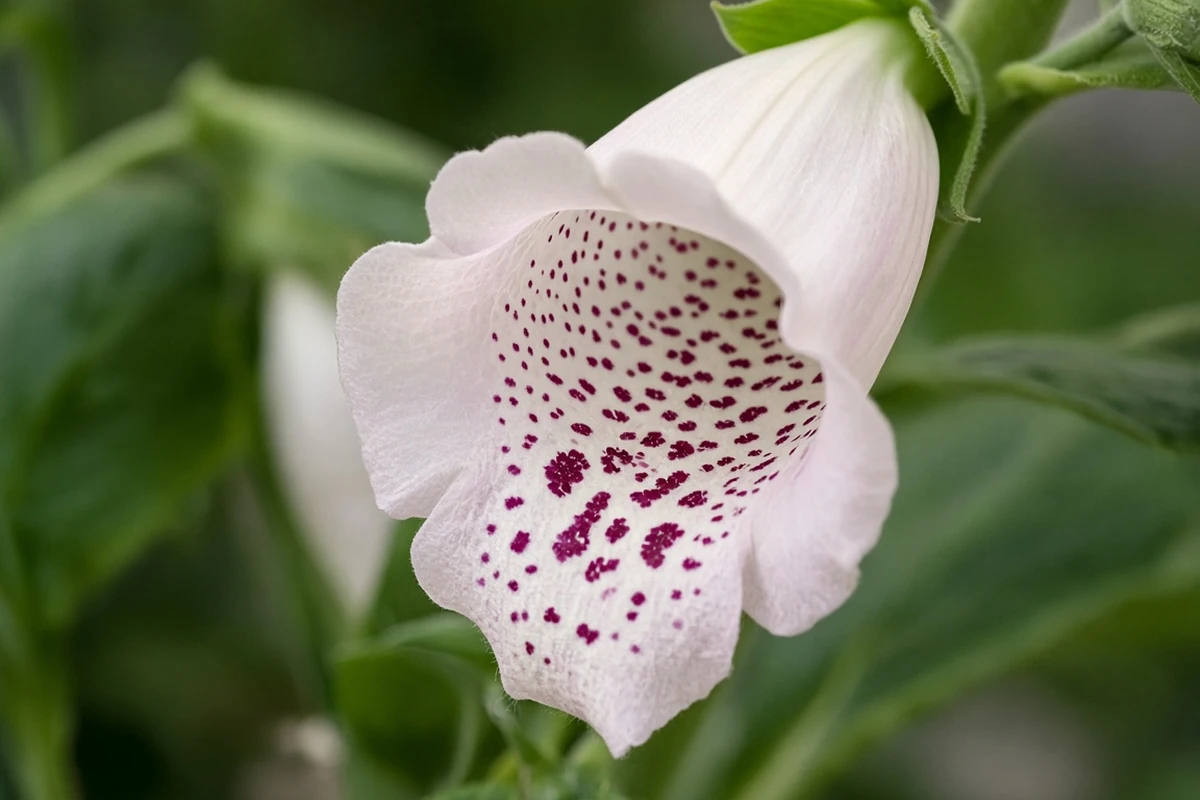
They’re petal markings visible in ultraviolet light. The Forest Service describes a region of low ultraviolet reflectance near the center of each petal that contrasts with the rest. Bees follow that contrast to the center. See what roles bees play in outdoor cannabis for more on bee visits.
| Trait of bee flowers | Forest Service note |
|---|---|
| Color | Usually blue or yellow |
| Red | Bees cannot see it |
| Shape | Often a landing platform |
| Timing | Open in daytime |
| Nectar | Often at the base of a tube |
Source: USDA Forest Service.
Why do flowers have nectar guides?
They make pollination faster. The Forest Service says pollen sticks to an animal while it feeds, then falls onto the stigma of the next flower it visits. Flower parts are covered in cannabis seed anatomy.
Which flowers show them?
The Forest Service names snapdragon and Penstemon as bee flowers with landing platforms. NC State notes the common blue violet draws butterflies and bees. The cultivar ‘Royal Robe’ has blue purple flowers with a tiny white eye. Leaf traits are covered in cannabis leaf anatomy.
How to: step by step
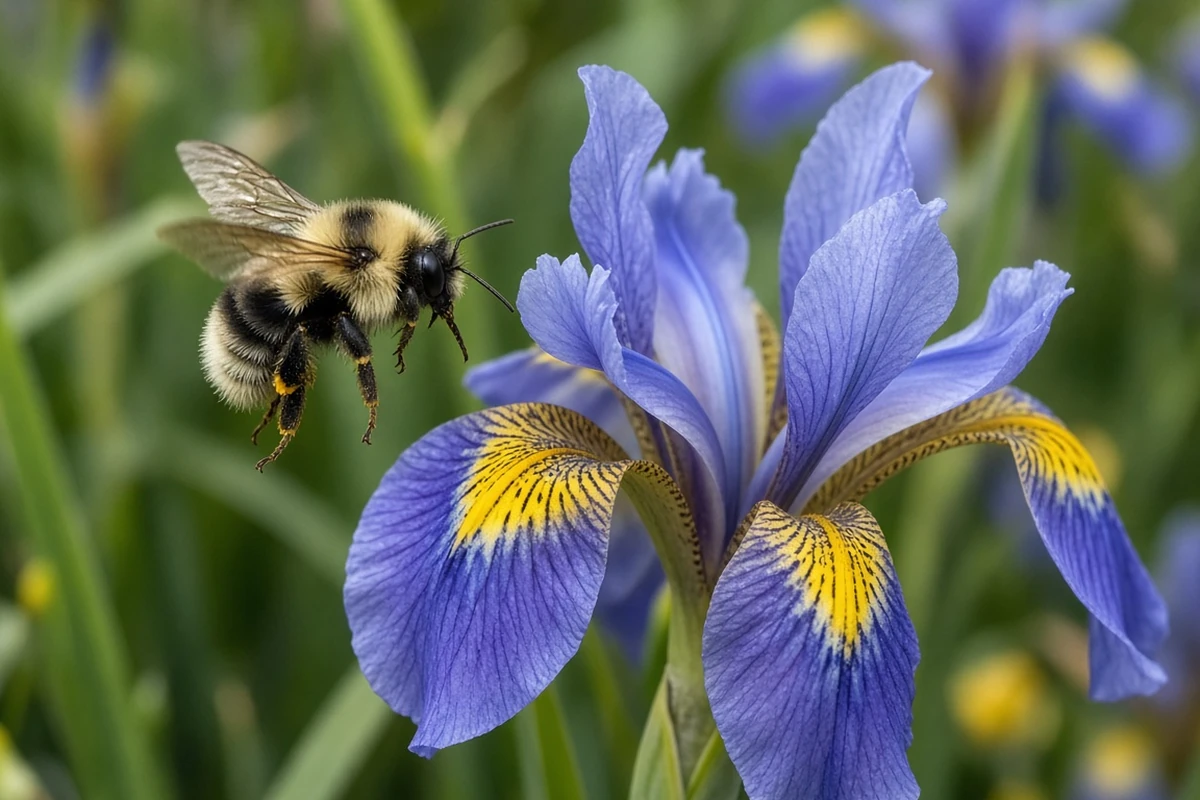
- Pick blue or yellow flowers in full bloom.
- Look for lines or a pale eye near the center.
- Watch which spot bees land on.
- Note how fast each bee moves on.
- Compare two or three kinds of flowers.
- Write down what you see.
Troubleshooting
No marks visible: the pattern may be ultraviolet only. Watch the bees instead.
No bees on red flowers: the Forest Service says bees cannot see red.
Bees ignore a bloom: check that it’s open, since bee flowers open in daytime.
Kind Seed Co shares these plant notes for growers of all kinds. Garden pairing ideas are in companion plants when growing marijuana.
Sources
- Bee pollination, USDA Forest Service
- What is pollination?, USDA Forest Service
- Viola sororia (common blue violet), NC State Extension Gardener Plant Toolbox
FAQ
Do all flowers have nectar guides?
No. The Forest Service says many of the flowers pollinated by bees have them, not all flowers.
Can people see ultraviolet nectar guides?
No. The Forest Service says the ultraviolet region is invisible to humans because our visual range does not extend into the ultraviolet.
Can bees see red?
No. The Forest Service says bees cannot see red, so bee flowers are usually blue or yellow or a mix of the two.
What flowers do bees prefer?
The Forest Service lists flowers full of nectar that are sweetly scented, open in daytime and offer a landing platform.
Do violets attract bees?
Yes. NC State says nectar from the common blue violet attracts butterflies and bees and that Viola supports specialized Andrena bees.



