
What Is a Petiole? The Leaf Stalk Explained
The short answer
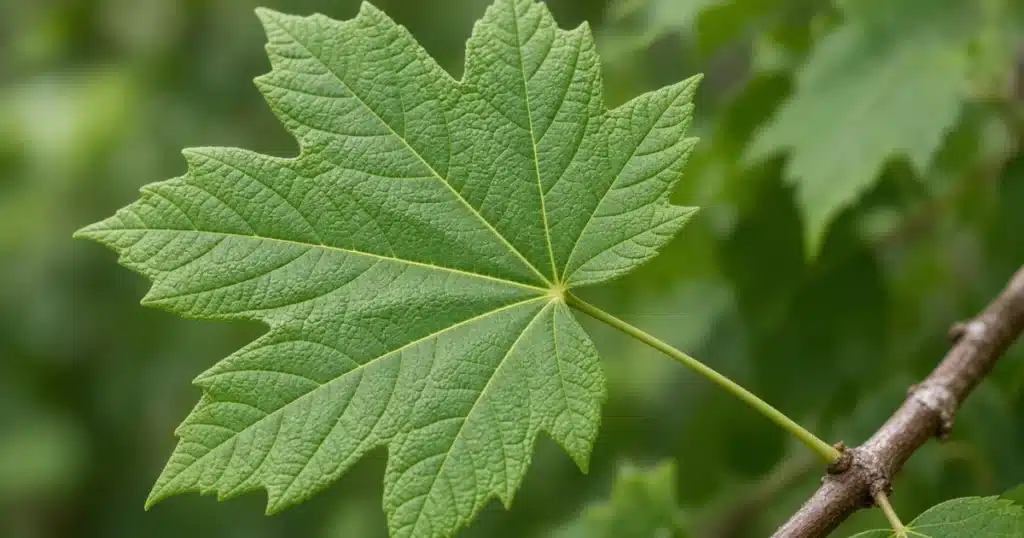
A petiole is the stalk that connects a leaf blade to the stem. NC State and Colorado State Extension describe it as part of leaf anatomy that moves water and sugars and positions the leaf toward light. Leaves without a petiole are called sessile. Changes in petiole color or angle can hint at plant stress.
Most gardeners look at leaves and stems without noticing the small stalk between them. That stalk does a surprising amount of work. Learning to spot it helps with plant identification and with reading plant health.
What is a petiole?
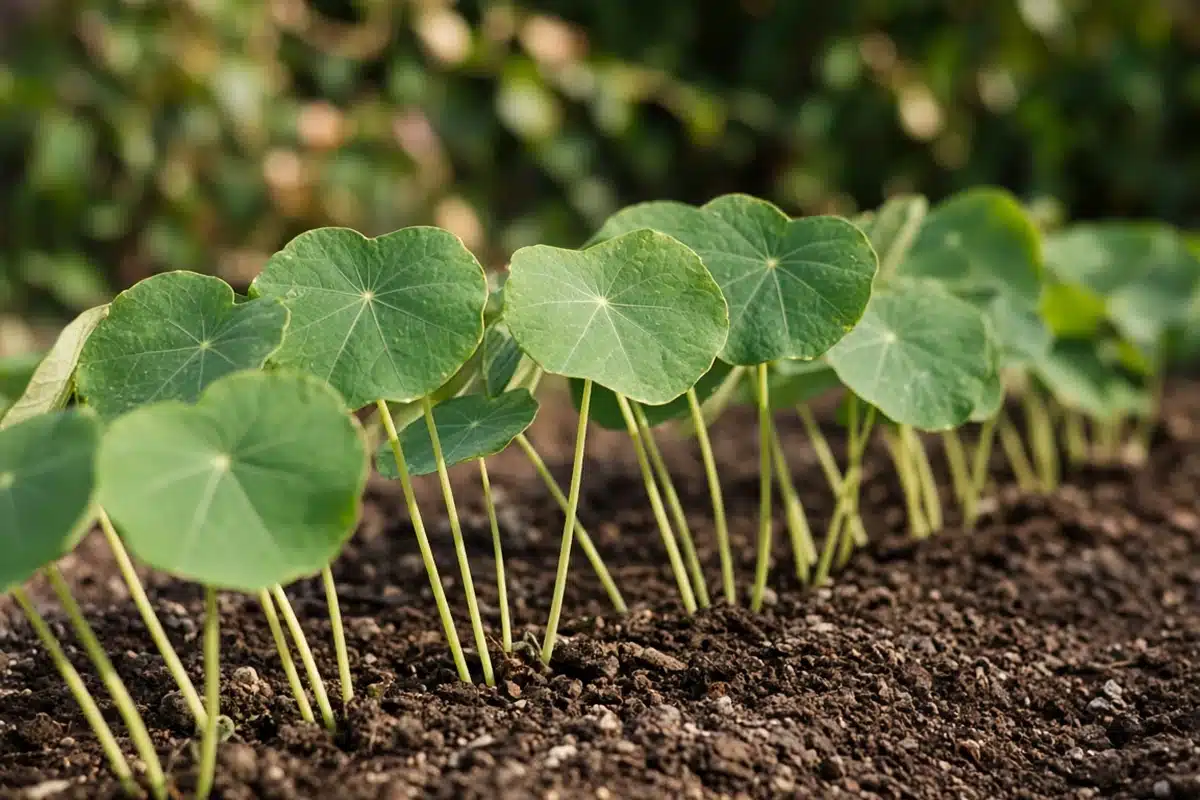
A typical leaf has two main parts. The flat, green blade catches light. The petiole is the stalk that holds the blade and attaches it to the stem.
The NC State Extension Gardener Handbook chapter on botany describes the petiole as the leaf stalk. It notes that the point where the petiole meets the stem is called the node.
An axillary bud sits just above the petiole, in the angle with the stem. It can grow into a new shoot or flower.
Our post on leaf anatomy labels each part of a leaf in detail.
What does a petiole do?
Moves water and sugars. Tiny tubes inside carry water into the leaf and sugars out. Our post on xylem and phloem explains how these tubes work.
Positions the leaf. Petioles bend and twist to turn the blade toward light. This helps leaves avoid shading each other. Our post on phototropism explains how plants grow toward light.
Absorbs movement. A flexible petiole lets leaves sway in wind instead of tearing.
Stores food. In some plants, such as celery and rhubarb, the petiole is thick and fleshy. Those are the parts we eat.
What types of petioles are there?
Petioles vary a lot between plants, which helps with identification.
The Colorado State University Extension botany notes describe leaf structures used to identify plants, including leaf arrangement and attachment.
| Leaf feature | Description | Example |
|---|---|---|
| Petiolate | Leaf has a clear stalk | Maple, tomato |
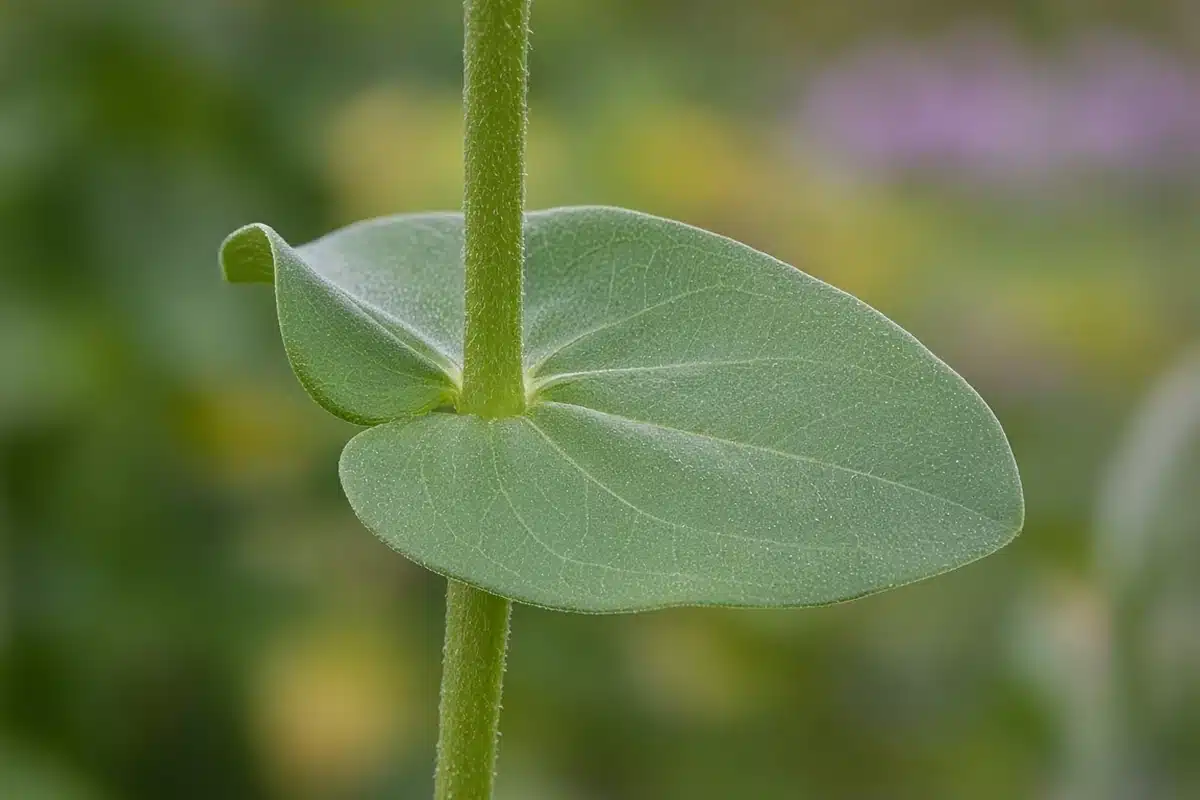
| Sessile | Blade attaches directly to the stem | Many grasses, zinnia |
| Clasping | Blade base wraps partway around the stem | Some asters |
| Winged petiole | Stalk has leafy edges | Citrus |
| Petiolule | Stalk of a single leaflet | Clover, beans |
Sources: NC State Extension, Colorado State University Extension, Purdue Extension.
The Purdue Extension illustrated glossary of plant identification terms shows drawings of these leaf types.
In compound leaves, the main stalk is the petiole. Each leaflet may have its own tiny stalk, called a petiolule.
What can petioles show about plant health?
Petioles react fast to changes in water and nutrients, so they give early hints when something is off.
Drooping petioles. Often a sign of low water. The leaf loses pressure and sags.
Petioles pointing sharply up. Some plants raise leaves when light is intense or heat is high.
Red or purple petioles. In some plants, this hints at cold or low phosphorus. In others, it is normal color.
Brittle or hollow petioles. May hint at nutrient issues or old age.
Always compare with a thriving plant of the same variety. Many plants have naturally red or long petioles.
How to: step by step
- Find where the leaf blade meets the stem.
- Note the stalk between them.
- Compare petiole length across plants.
- Look at the angle of the petiole.
- Check its color for changes.
- Use leaf anatomy guides to name other parts.
Which plants have edible petioles?
Celery is the most familiar. The crisp stalks are petioles.
Rhubarb stalks are petioles too.
Swiss chard and bok choy have thick, juicy petioles. Many cooks cook the stalks a little longer than the leaves.
Why do petioles matter for cuttings?
On a cutting, roots usually form at the node. The petiole points right to it.
Remove leaves by snapping or cutting the petiole close to the stem. Leave the node intact.
Troubleshooting
All petioles drooping. Check soil moisture first.
New petioles red on a green plant. Look at cold nights or nutrition.
Leaves twisting on the stalk. Light may come from one side. Rotate the pot.
Petioles snapping easily. Plants may be stretched. Add more light.
Not sure if a leaf has a petiole. Look for a stalk between the blade and stem.
A small stalk can tell you a lot about how a plant is doing. Kind Seed Co shares more garden ideas in outdoor growing.
Sources
- Extension Gardener Handbook, chapter 3: botany, NC State Extension, Extension Gardener Handbook
- Botany (CMG GardenNotes 120), Colorado State University Extension, Botany (CMG GardenNotes 120)
- Plant identification terminology: an illustrated glossary, Purdue Extension Master Gardener Program, Plant identification terminology
FAQ
What is a sessile leaf?
A leaf whose blade attaches directly to the stem without a stalk.
Is a petiole part of the stem?
No. It is part of the leaf, connecting the blade to the stem.
What is a petiolule?
It is the small stalk of a single leaflet on a compound leaf.
Do all plants have petioles?
No. Many grasses and some flowers have sessile leaves.
Is celery a petiole?
Yes. Celery stalks are thick, edible petioles.



