
What Is Dormant Oil? Horticultural Oil Timing on Fruit Trees
The short answer
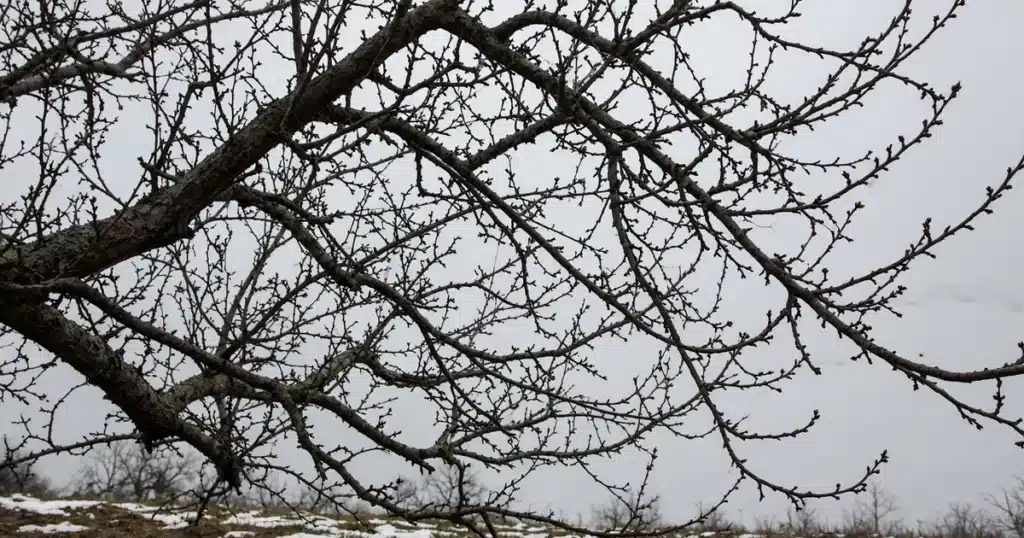
Dormant oil is a horticultural oil applied while trees and shrubs are leafless in late winter. Iowa State gives a spray range warmer than 40 degrees F and no hotter than 90 degrees F. UC IPM and Iowa State Extension note oils target overwintering insects and eggs on bark, so timing and weather matter most.
Fruit trees carry more than buds through winter. Scale insects, mite eggs and aphid eggs hide in bark cracks and around buds. A well timed oil spray in the dormant season is a classic part of orchard care.
What is dormant oil?
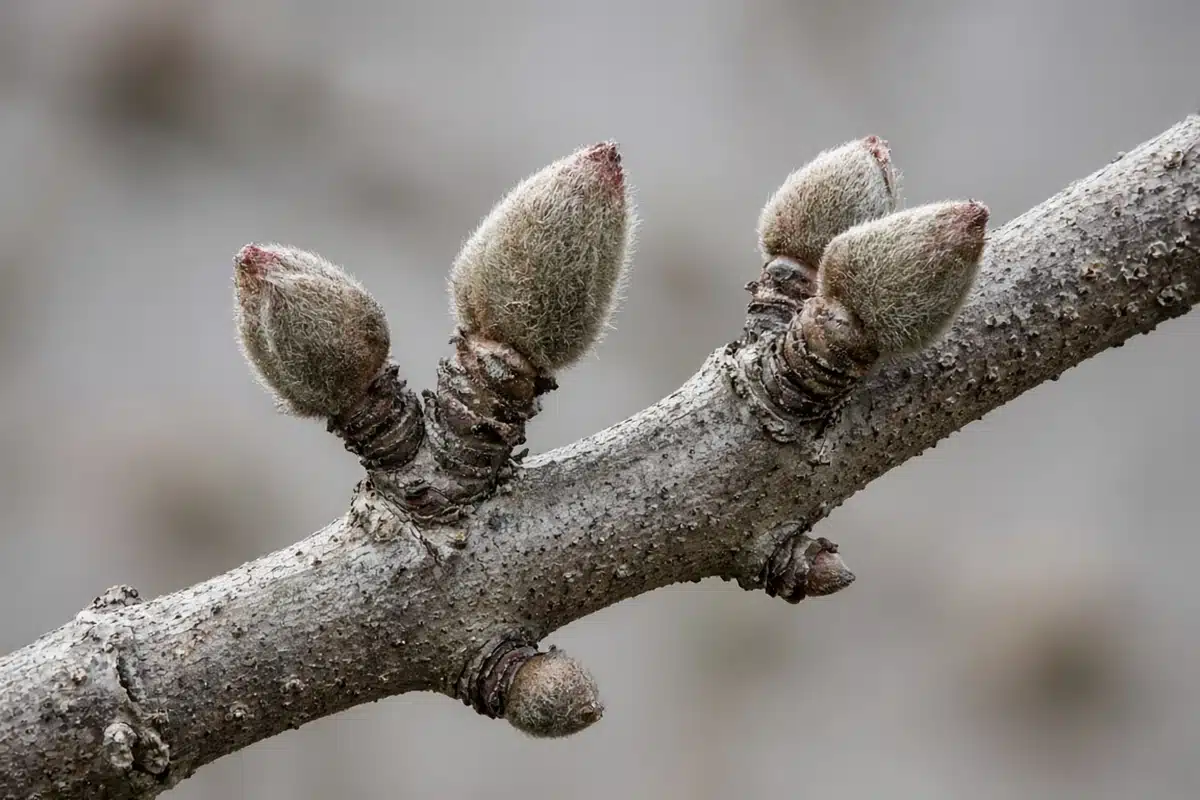
Dormant oil is a refined oil mixed with water and sprayed on bare branches. Most modern products are highly refined petroleum or plant based oils.
The name means timing, not a special product. Many horticultural oils go on at a dormant rate in winter and a lighter rate in summer.
The Iowa State University encyclopedia entry on horticultural oil sprays explains that oils work by coating insects and eggs. The thin film blocks their air supply.
Oils work on contact, so they must cover the bark well. Insects they miss aren’t affected.
Which plants should skip dormant oil?
UC IPM notes oils aren’t recommended during the dormant season on walnut trees. Citrus and avocado don’t go dormant, so a dormant spray doesn’t suit them.
How do timing and weather matter?
Dormant sprays go on after leaves drop and before buds open. In most of the US, that means late winter to very early spring.
The Iowa State University answer on when to apply dormant oil suggests spraying in early spring before buds break. Many insects and eggs are most exposed then.
The UC IPM guide to dormant and delayed dormant sprays describes a second window called delayed dormant. It falls just as buds swell and show green tips.
Weather matters as much as the calendar. Iowa State gives a range warmer than 40 degrees F and no hotter than 90 degrees F. Freezing weather can stop the oil from spreading and harm buds.
Pick a dry, calm day. Rain washes oil off, and wind blows spray off target.
| Timing window | Tree stage | Common targets |
|---|---|---|
| Dormant | Bare branches, tight buds | Scale, mite eggs, aphid eggs |
| Delayed dormant | Buds swelling, green tips | Scale crawlers, early aphids |
| Summer rate | Full leaf, lighter rate | Mites, soft bodied insects |
Sources: Iowa State University, UC IPM.
How to: step by step
- Prune dead and crossing branches.
- Skip walnut, citrus and avocado.
- Wait for bare branches and tight buds.
- Check the forecast for temperature limits.
- Cover every side of the bark.
- Rinse the sprayer after each use.

How do you get good coverage?
Prune first. Removing dead and crossing branches in late winter opens the canopy so spray reaches more bark. Our post on sanitizing pruning shears covers clean tool habits.
Spray every side of the trunk, branches and twigs, since bark cracks and bud bases hide most overwintering insects.
Use a sprayer with a fine, even pattern. Small trees can be done with a hand pump sprayer. Larger trees may need a backpack unit.
Which pests does dormant oil target?
Scale insects are the classic target. They sit under waxy shells on bark and are hard to reach later.
Mite eggs and aphid eggs also overwinter on twigs and around buds. A dormant spray reduces the numbers that hatch in spring.
Some caterpillar eggs, such as those of leafrollers, can also be reduced.
How does it fit a wider plan?
Dormant oil is one tool among many. Clean up fallen fruit and leaves in fall to reduce pests that overwinter on the ground. Our post on fall garden cleanup explains what to remove.
Encourage beneficial insects such as lady beetles and lacewings. Oils have little lasting effect once dry, so many beneficial insects return.
Our post on natural pest repellents shares other low impact options.
Troubleshooting
Scale returns each year. Coverage may be thin. Spray all bark surfaces.
Buds damaged after spraying. A freeze followed. Check the forecast first next time.
Spray ran off branches. Rain came too soon. Pick a dry stretch.
Missed the window. Buds opened. Wait for the lighter summer rate.
A single well timed spray can cut spring pest pressure. Kind Seed Co shares more garden ideas in outdoor growing.
Sources
- Applying dormant or delayed dormant treatments, UC IPM, University of California, Applying dormant or delayed dormant treatments
- When should I apply a dormant oil spray to my fruit trees?, Iowa State University Extension, Yard and Garden, When should I apply a dormant oil spray to my fruit trees?
- Horticultural oil sprays, Iowa State University Extension, Yard and Garden, Horticultural oil sprays
FAQ
Is dormant oil the same as summer oil?
Often the same product, used at a different rate and time.
Does dormant oil work on walnut trees?
UC IPM does not recommend dormant season oil on walnuts.
How does dormant oil work?
It coats insects and eggs and blocks their air supply.
What pests does dormant oil target?
Scale, mite eggs and aphid eggs on bark and buds.
When is the right time to spray?
Late winter, on a dry, calm day between about 40 and 90 degrees.



