What Is an Evergreen Perennial? Winter Leaves Explained
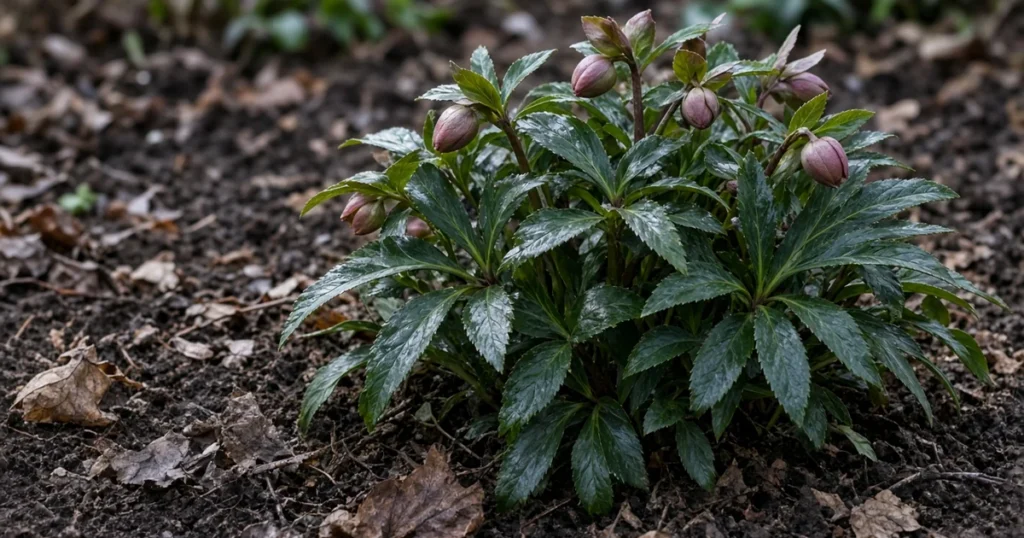
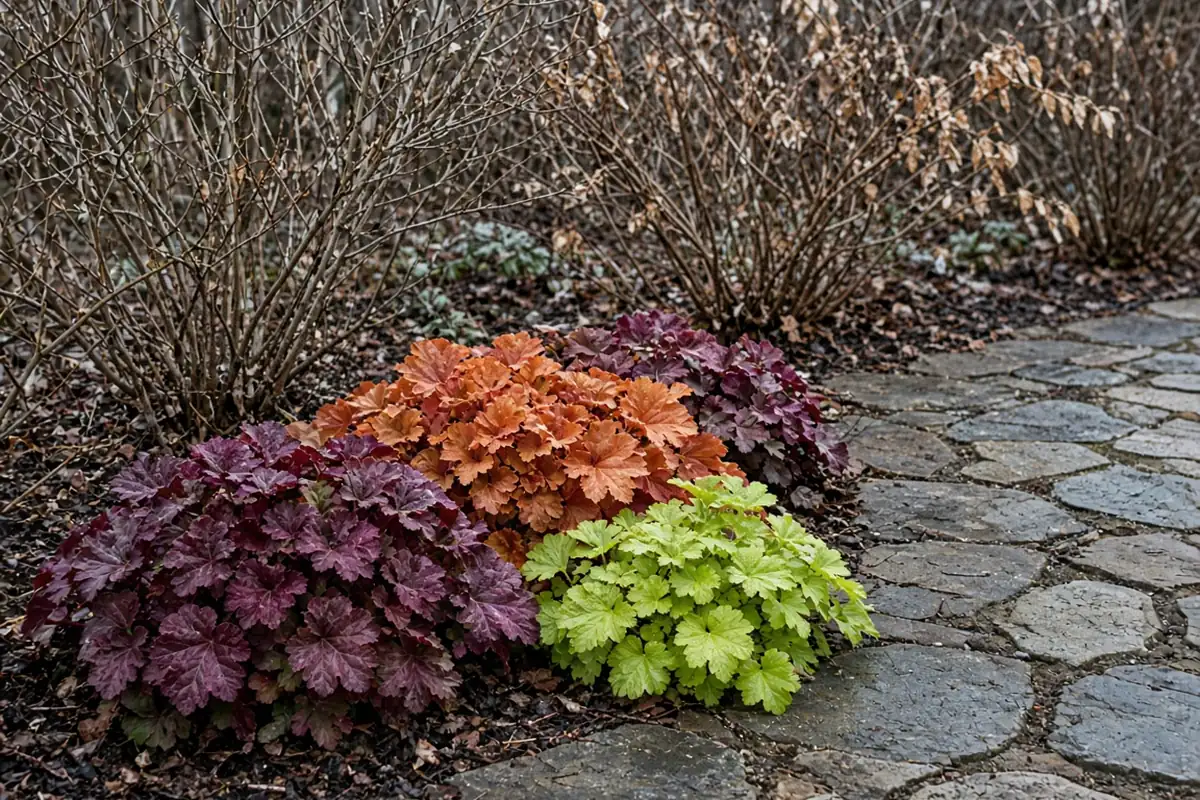
An evergreen perennial is a soft stemmed plant that holds its leaves over winter. Penn State Extension notes most herbaceous perennials go dormant in winter, but many evergreen perennials hold their foliage. It lists hellebore, bergenia plus coral bells among them. Iowa State University Extension notes they add color to a winter garden.
The short answer
An evergreen perennial is a herbaceous plant that comes back each year plus holds its leaves through winter. Penn State Extension notes hellebore is the classic example. It notes how evergreen a plant stays can vary with winter weather, plus some turn only semi evergreen in harsh winters. Trim ragged leaves in late winter.

Which perennials stay green in winter?
Penn State Extension plus Iowa State University Extension both list perennials that hold foliage in winter.
| Plant | Winter look | Source |
|---|---|---|
| Hellebore | Green leaves plus late winter flowers | Penn State |
| Bergenia | Leaves turn maroon in cold | Iowa State |
| Coral bells | Foliage through winter | Iowa State |
| Christmas fern | Green fronds under snow | Penn State |
Source: Penn State Extension plus Iowa State University Extension.
How do they differ from herbaceous perennials?
Penn State Extension notes most herbaceous perennials lose their leaves plus their stems die back in winter, with the crown plus roots resting until spring. Evergreen perennials retain their leaves instead. Iowa State University Extension notes evergreen trees plus shrubs are woody, while these plants have soft stems.
Where should evergreen perennials grow?
NC State Extension notes hellebores do well in rich, well drained soil in light to moderate shade, sheltered from cold winter winds. It notes bergenia can grow in full shade or full sun but does well sheltered from cold drying winds plus early morning sun. Penn State Extension notes poor winter drainage brings root rot.
How to: step by step
- Choose a spot sheltered from cold winter winds.
- Plant in well drained soil.
- Mulch the bed before the ground freezes.
- Leave old leaves in place over winter.
- Cut tattered leaves in late winter.
- Avoid harming new stems as you trim.
Troubleshooting
Brown scorched leaves in winter: frozen ground plus sun plus wind dried the leaves. Place plants out of cold drying winds.
Crowns rotting: the soil stays wet plus frozen. Improve drainage or use a pea gravel mulch.
Plant looking ragged in spring: old leaves are still on the plant. Trim them back before new growth opens.
For related reading see garden microclimates for cannabis, frost damage on cannabis plus mulch for cannabis. Kind Seed Co also stocks cannabis seeds.
Sources
- Evergreen perennials: the greening of winter, Penn State Extension
- Perennials with winter interest, Iowa State University Extension
- Helleborus (hellebores), NC State Extension Gardener Plant Toolbox
- Bergenia crassifolia (bergenia), NC State Extension Gardener Plant Toolbox
FAQ
Should evergreen perennial leaves be cut in fall?
No. Penn State Extension advises leaving hellebore foliage until it has died down naturally unless it is diseased. NC State Extension notes old hellebore leaves can be cut to the ground before the plants flower. It advises removing damaged bergenia leaves in late winter to early spring.
Do evergreen perennials need full sun?
It depends on the plant. NC State Extension notes hellebores do well in light to moderate shade. It notes bergenia can grow in full shade or full sun, with better leaf color in sun. Penn State Extension notes Christmas fern is often found on dry, rocky slopes in Pennsylvania woods.
Is a hellebore an evergreen perennial?
Yes. Penn State Extension calls hellebore the classic example of an evergreen perennial. It holds the past season's leaves over winter while new flower stems emerge as early as January or February. NC State Extension notes the leaves may scorch plus tatter in very harsh winters.
Do evergreen perennials bloom in winter?
A few do. Iowa State University Extension notes lenten roses, or hellebores, open flowers in pink, purple, white plus green in February plus March. Penn State Extension notes hellebore flowers bloom in late winter or early spring as new leaves emerge. Most others are grown for their leaves alone.
Why do evergreen leaves turn brown in winter?
Penn State Extension notes the main cause is winter burn. Frozen ground plus winter sun plus cold winds make leaves lose water that frozen roots cannot replace. It notes snow insulates plants well. Without snow, a layer of mulch over the soil helps the roots through a deep freeze.