
When to Harvest Acorn Squash: Rind Plus Stem Plus Sheen
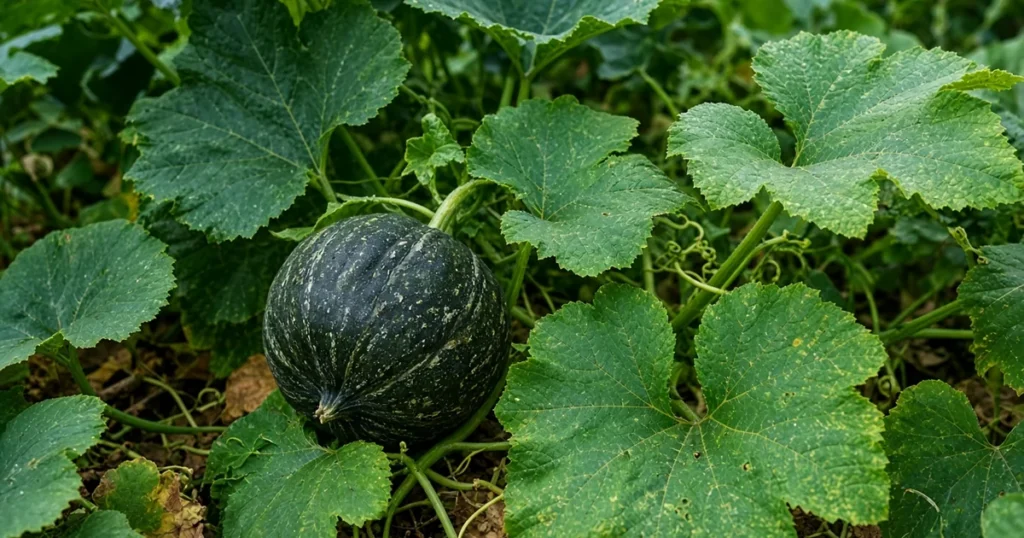
When to harvest acorn squash hinges on the rind, the stem and the surface sheen. Iowa State University Extension says mature winter squash have very hard skins that cannot be punctured with a thumbnail. Mature fruit also show dull looking surfaces.
The short answer
Harvest acorn squash once the rind resists your thumbnail and the glossy surface turns dull. University of Kentucky says the stem joining fruit to vine hardens and turns dark green or woody brown at harvest time. Cut fruit with about 1 inch of stem. Iowa State University Extension says acorn types should skip curing.
How does the rind show ripeness?
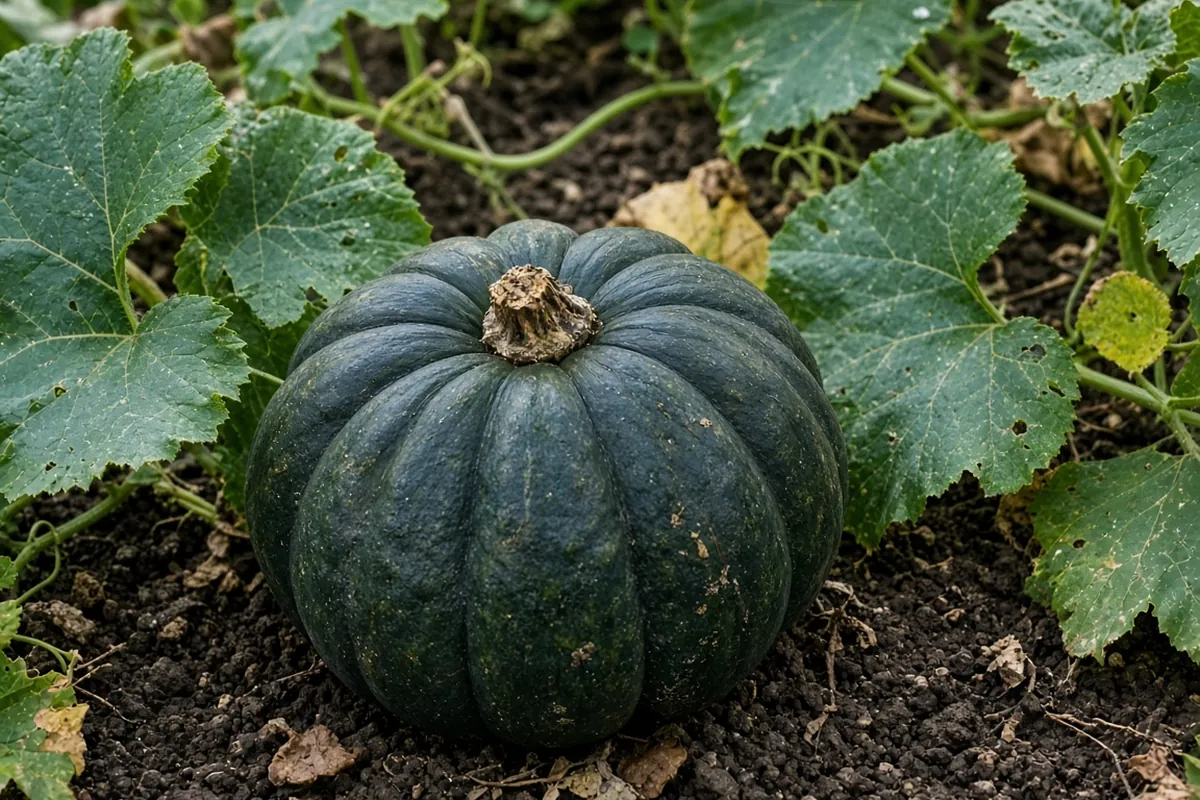
Iowa State University Extension says to harvest winter squash when the fruit are fully mature. Mature fruit have very hard skins that a thumbnail cannot puncture.
The University of Kentucky Center for Crop Diversification says squash is ready when the outer skin has hardened and the color fits the cultivar.
Clemson Cooperative Extension adds that the fresh, bright surface sheen changes to a dull, dry appearing surface.
Why does the stem matter?
The University of Kentucky says the stem like structure joining fruit to vine is called the peduncle.
It will have hardened at harvest time. It turns dark green or woody brown compared to the vine.
Iowa State says to leave a 1 inch stem on each fruit. Clemson calls this stem a handle and says to leave a generous one.
| Sign | Mature | Immature |
|---|---|---|
| Rind | Resists a thumbnail | Dents easily |
| Surface | Dull, dry looking | Bright sheen |
| Stem | Hard, dark green or woody brown | Soft, green |
Source: Iowa State University Extension plus University of Kentucky Center for Crop Diversification.
How should acorn squash be cut?
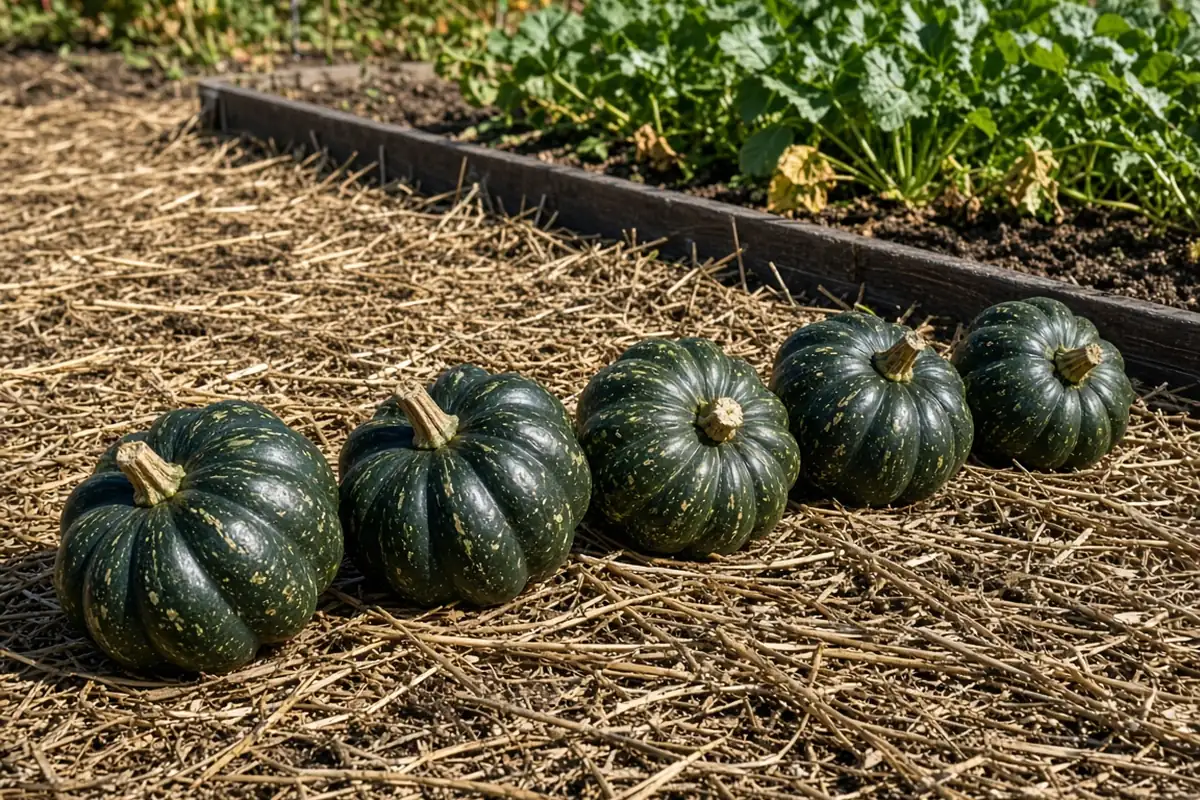
Iowa State says to cut the fruit off the vine with pruning shears. Clemson says to cut the fruits from the vine and not tear them.
Handle fruit gently. Iowa State says to avoid cuts and bruises while harvesting.
Clemson advises against harvesting or handling wet fruit. Wait until a dry day.
How to: step by step
- Press a thumbnail into the rind.
- Look for a dull, dry looking surface.
- Check that the stem has hardened.
- Wait for dry weather.
- Cut fruit with pruning shears.
- Leave about 1 inch of stem.
Troubleshooting
Rind dents: fruit not mature. Wait longer.
Torn stem: fruit pulled. Cut with shears.
Bruised fruit: rough handling. Carry fruit with care.
For related reading see when to harvest outdoor cannabis, cannabis leaf anatomy plus frost damage on cannabis. Kind Seed Co also stocks cannabis seeds.
Sources
- What is the proper way to harvest plus store winter squash?, Iowa State University Extension
- Postharvest handling of winter squash, University of Kentucky Center for Crop Diversification
- Cucurbita pepo (summer squash, pumpkin plus ornamental gourd), NC State Extension Gardener Plant Toolbox
- Pumpkins plus winter squash, Clemson Cooperative Extension HGIC
FAQ
Does acorn squash need curing?
No. Iowa State University Extension says most winter squash go through curing at 80 to 85 degrees with 80 to 85 percent humidity. It makes an exception for acorn types and says acorn squash should skip curing. The high temperature and humidity during curing actually reduce the quality of acorn squash.
When should acorn squash be planted?
Clemson Cooperative Extension says all squash types are highly susceptible to frost. Seed them after all danger of frost is over and soil at a depth of 4 inches is above 60 degrees. NC State Extension says Cucurbita pepo should go out in late spring or early summer, after the last frost.
How far apart should acorn squash grow?
Clemson Cooperative Extension says to plant bush or short vined varieties 2 to 3 feet apart in rows 3 to 5 feet apart. Large vined varieties need 3 to 5 feet in rows 6 to 8 feet apart. NC State Extension calls acorn squash an aggressive grower that wants full sun.
Why should vines not be moved?
Clemson Cooperative Extension says to be careful cultivating near the main stem. It says not to move vines after fruit have formed, because they are brittle and can easily break. Roots near the surface spread about as wide as the vines, so weeding late in the season takes care.
What species is acorn squash?
Clemson Cooperative Extension says jack o lantern pumpkins and acorn squash types are Cucurbita pepo. NC State Extension says this species is native to North America and prefers moderately moist soil with full sun. It also notes a harder, thicker stem compared to other squash species, which helps when judging the stem.



