
Aster Yellows: Phytoplasma Symptoms and the Leafhopper Link

The short answer
Aster yellows is caused by a phytoplasma, a tiny bacteria like organism spread by aster leafhoppers. It causes yellowing, stunting, odd green flowers and bunchy growth called witches broom on many plants, from carrots to coneflowers. Infected plants do not recover. Remove them and pull the weeds that host the disease.
It is an odd disease because it hits so many unrelated plants. Once you know the signs, it is easy to spot.
What causes aster yellows?
The cause is a phytoplasma. It lives inside the plant’s sap carrying tissue and can’t survive long outside a plant or insect.
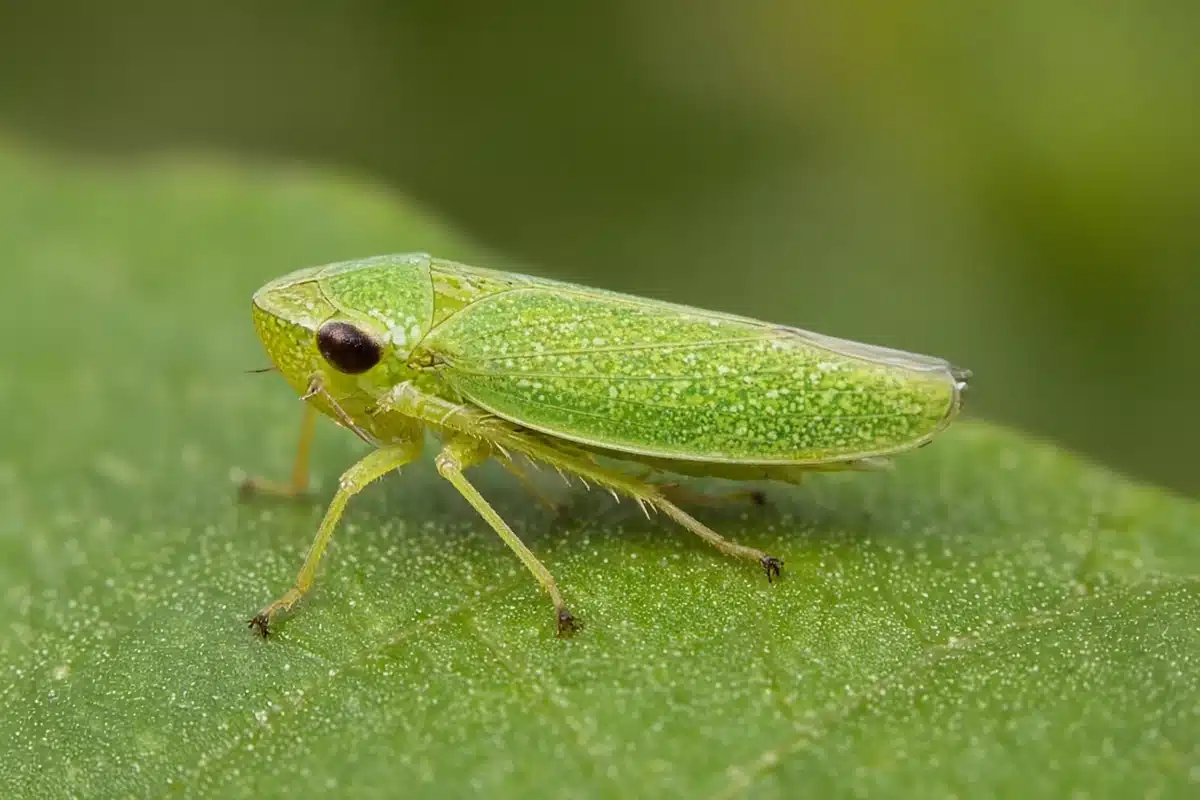
Aster leafhoppers carry it. When they feed on an infected plant, they pick up the phytoplasma. After a short time inside the insect, they can pass it to every plant they feed on for the rest of their lives.
The University of Minnesota Extension page on aster yellows explains this cycle. Leafhoppers often fly in from the south each spring, and some carry the phytoplasma with them.
What are the symptoms?
Symptoms vary by plant, but some patterns repeat.
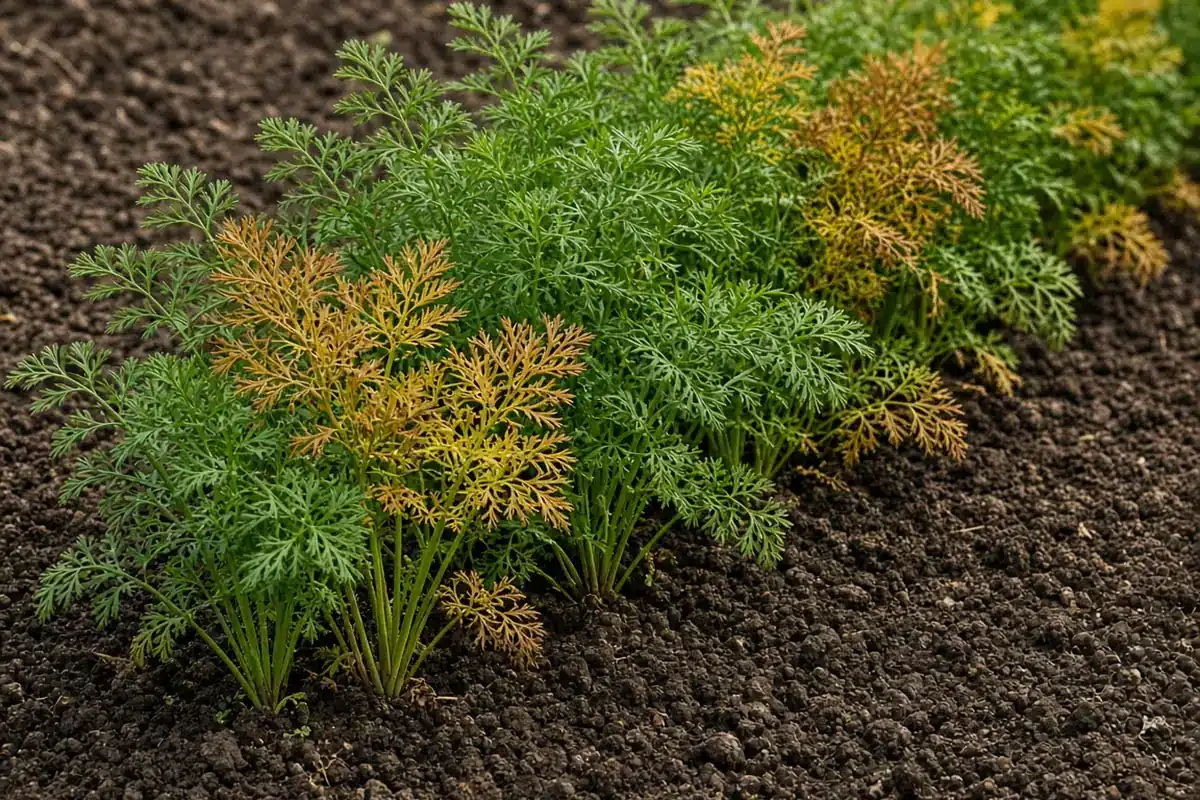
New growth turns yellow or pale. Plants stay small. Stems and shoots grow in tight clusters, a pattern called witches broom.
Flowers turn green and leafy. Petals can look like small leaves. This is one of the clearest signs, mainly on coneflowers and other asters.
On carrots, roots become small, hairy and bitter. Tops grow in a bushy cluster.
The Utah State University Extension page on carrot aster yellows shows the bitter, hairy roots and explains why infected carrots taste off.
| Plant | Symptom | Source |
|---|---|---|
| Coneflower | Green, leafy flower heads | University of Wisconsin Extension |
| Carrot | Hairy, bitter roots and bushy tops | Utah State University Extension |
| Lettuce | Yellow, stunted inner leaves | University of Minnesota Extension |
| Many flowers | Yellowing and witches broom growth | University of Minnesota Extension |
Sources: University of Minnesota Extension, University of Wisconsin Extension, Utah State University Extension.
How do you limit spread?
Remove infected plants. They don’t recover, and leafhoppers feeding on them pick up more phytoplasma. Bag them rather than leaving them in the bed.
Pull weed hosts. Many common weeds, such as dandelion, plantain and wild carrot, can carry aster yellows without obvious symptoms. Clearing them near the garden removes a source.
Use row covers on carrots and lettuce early in the season. Covers hold leafhoppers off crops during the main flight period.
The University of Wisconsin Extension article on aster yellows notes that removing infected perennials matters most, since they carry the phytoplasma from year to year.
How do leafhoppers fit in?
Aster leafhoppers are small, slender and greenish. They jump or fly when disturbed. Big numbers often appear in early summer.
Our post on leafhoppers on cannabis shows what they look like and how they feed on other plants.
Leafhoppers spread more than one disease. Our post on beet curly top virus on cannabis covers another disease spread by a different leafhopper.
Which plants are most often hit?
Many garden flowers can get aster yellows, mainly coneflowers, asters, marigolds, zinnias and calendula. Vegetables include carrots, lettuce, celery and potatoes.
Grasses and grains can carry it too.
In areas where aster yellows is common, consider growing less susceptible flowers or rotating plantings.
What should you do at season’s end?
Remove infected plants and weeds before fall. Clean up beds so fewer hosts carry the phytoplasma into spring.
Our post on fall garden cleanup after cannabis harvest covers end of season steps.
How do you tell aster yellows from other problems?
Yellowing alone can come from many causes. Low nitrogen, poor drainage and root damage all make leaves pale.
Aster yellows has a mix of signs that sets it apart. Look for yellowing together with bunchy witches broom growth and green, leafy flowers. Those three together point clearly to aster yellows.
Nutrient problems often affect a whole bed evenly. Aster yellows often shows up on scattered plants, since leafhoppers feed here and there.
If you’re unsure, send photos to your local Extension office. Labs can confirm phytoplasma with a sample.
Do weather patterns matter?
Leafhoppers arrive on spring winds. Years with steady southern winds early in the season can bring more of them. Warm, dry springs favor leafhopper numbers.
Extension offices in some states track leafhopper counts and phytoplasma levels each year and share alerts with growers.
How to: step by step
- Look for yellow, stunted or twisted growth.
- Check flowers for green, leafy parts.
- Remove and bag infected plants.
- Pull weed hosts near the garden.
- Use row covers on susceptible crops.
- Watch for leafhoppers during the season.
Check perennials each spring as they leaf out.
Troubleshooting
Green flowers on coneflower. Aster yellows is the cause. Remove the plant.
Hairy, bitter carrots. Aster yellows is the cause. Pull plants.
Disease spreads. Leafhoppers are feeding. Use covers and remove hosts.
Weedy borders. Weeds host the phytoplasma. Pull them.
Same perennials infected each year. Infected plants remain. Remove them fully.
Removing hosts and shielding young crops from leafhoppers makes aster yellows rare in your garden. Kind Seed Co shares more garden projects in outdoor growing.
Sources
- Aster yellows, UMN Extension, Aster yellows
- Aster yellows, University of Wisconsin Extension Horticulture, Aster yellows
- Carrot aster yellows, Utah State University Extension, Carrot aster yellows
FAQ
Can plants recover from aster yellows?
No. Infected plants stay infected. Remove them so leafhoppers do not spread it.
Which plants get aster yellows?
Many, including coneflowers, asters, marigolds, carrots, lettuce and celery.
Is aster yellows spread by tools?
No. Leafhoppers spread it as they feed.
Should I compost infected plants?
It is better to bag them. That removes hosts from the garden.
Do weeds matter?
Yes. Many common weeds carry the phytoplasma. Pull them near the garden.



