Blumat drip system for cannabis
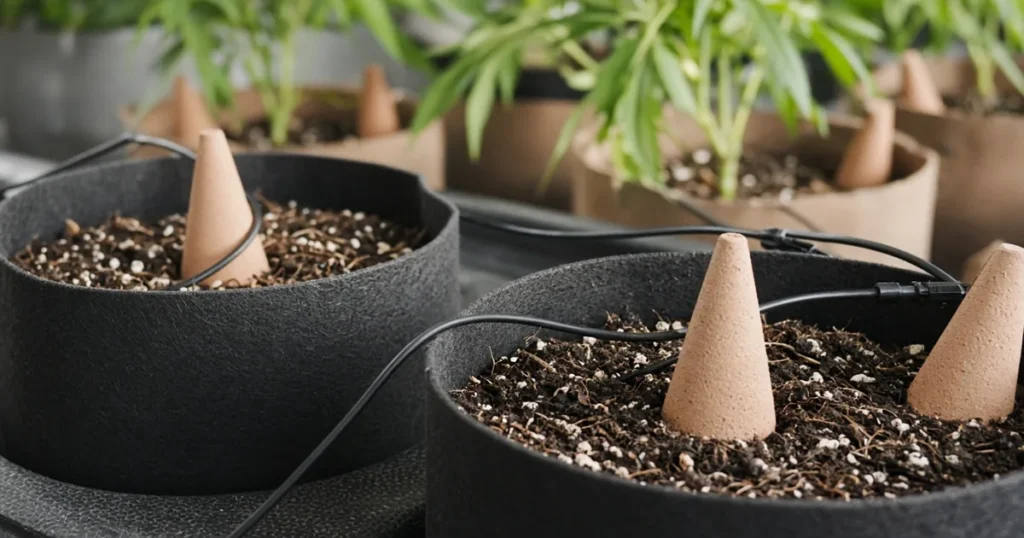
A Blumat drip system for cannabis is a sensor based watering setup that uses ceramic cones in the soil to water each plant only when it needs it, with no electricity or timer. Each clay sensor responds to soil moisture: as the soil dries, it opens a small valve and lets water drip in, and as the soil gets wet again, the valve closes. For cannabis growers in soil or soilless mixes, that can mean steadier moisture, less hand watering and fewer swings between too wet and too dry. It is a strong fit for soil and living soil grows, vacation coverage and growers who want simple, quiet automation. Pair a steady water supply with great genetics from our indoor seeds. This guide is for adults 21 and older growing where home cultivation is legal.
This is a spec based review. It draws on Blumat’s published instructions and common grower feedback. We did not run our own test grow, and Kind Seed Co is not affiliated with Blumat. Always follow the maker’s current setup guide.
How a Blumat system works
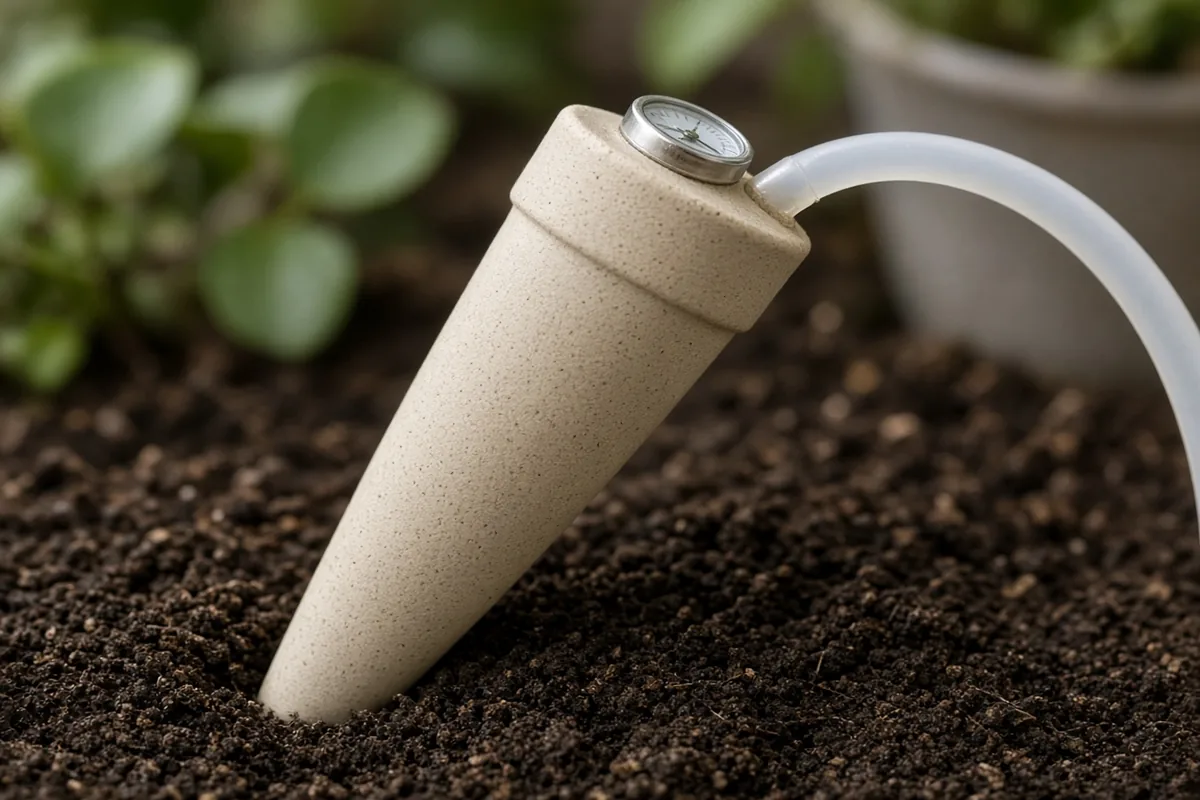
The key part is the clay sensor, a hollow ceramic cone filled with water and pushed into the soil. Clay is porous, so water moves between the cone and the soil depending on how dry the soil is.
- Soil dries out. Dry soil pulls water out of the cone.
- The valve opens. That change in pressure opens a small valve at the top of the sensor.
- Water drips in. Water from the supply line drips into the pot.
- Soil gets moist. The cone stops losing water and the valve closes.
Because each sensor works on its own, every pot gets water based on its own needs. A large plant drinking fast gets more water than a small plant next to it. For background on drip watering, read drip irrigation for cannabis.
Water supply options
| Supply | How it works | Notes from the maker |
|---|---|---|
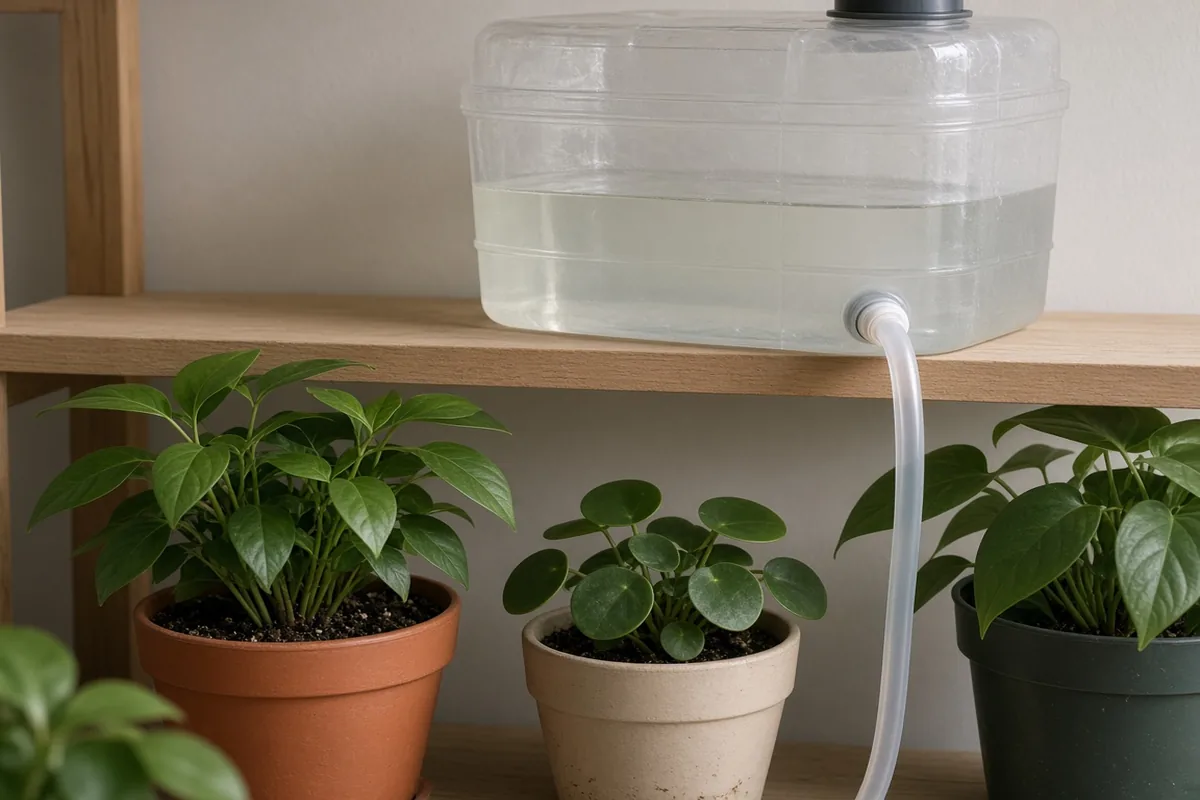
| Gravity tank | A reservoir set higher than the plants feeds the line | Reservoir needs to sit above the sensors, about 0.5 m at minimum and about 1 m recommended |
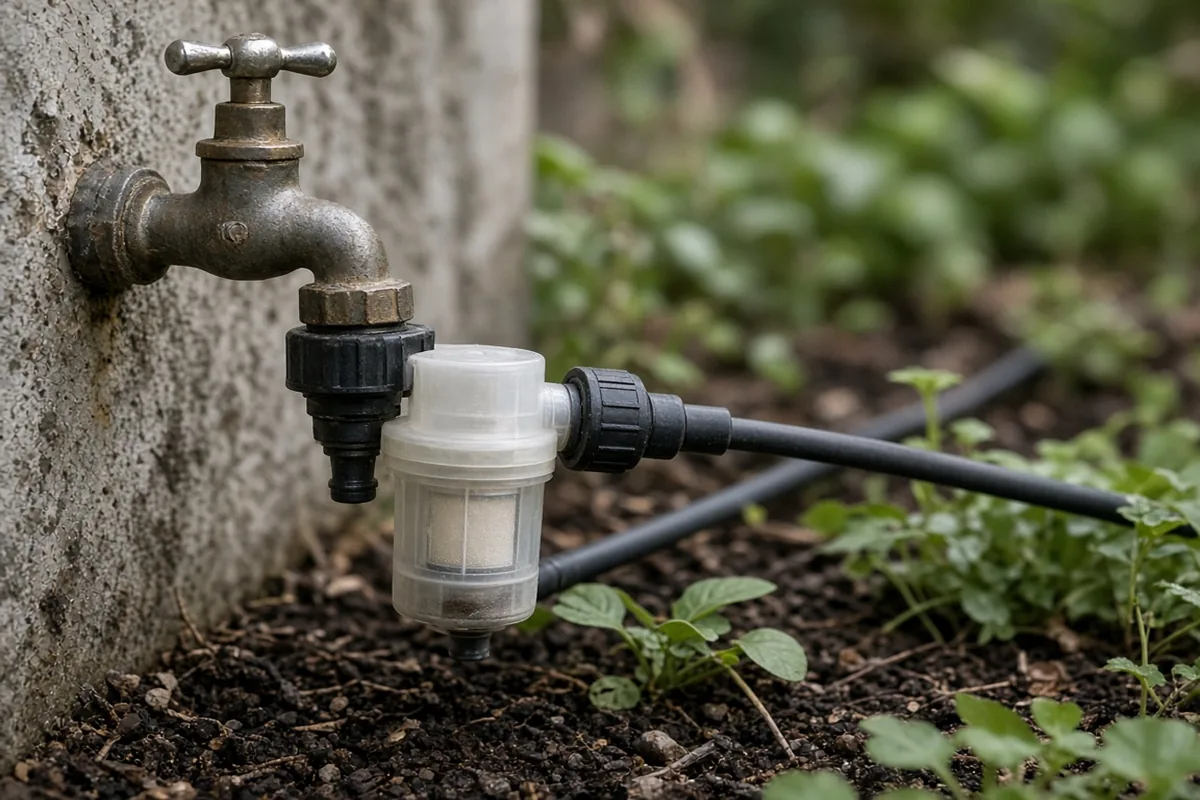
| Tap water | A faucet feeds the line through a pressure reducer | Use the maker’s pressure reducer, rated around 1 bar |
| Pump | A pump moves water from a reservoir | Use a pressure reducer so pressure stays in range |
A gravity tank is the simplest setup for most home grows. It needs no power, and you can fill it with water you have already prepared. Our guide to gravity drip irrigation explains how to set height and tubing.
If you use tap water, the pressure reducer matters. Too much pressure can stop the valves from closing properly and cause leaks or overwatering.
Setting up Blumat for cannabis
- Soak the sensors. Clay cones need to be fully soaked in water before use, as the maker directs.
- Water the pots first. Start with evenly moist soil.
- Insert the sensors. Push them into the root zone at the depth the maker recommends. Larger pots may need more than one sensor.
- Connect the tubing. Run the main line from your supply and branch drip tubes to each sensor.
- Bleed the air. Let water flow through the lines to remove air bubbles.
- Set the dial. Adjust each sensor until it stops dripping in moist soil, then fine tune over a few days.
- Check often at first. Watch the pots for a week and adjust until moisture stays even.
Using Blumat in different media
| Medium | How well it fits | Tips |
|---|---|---|
| Living soil and organic soil | Very good | Steady moisture supports soil life |
| Bagged potting soil | Good | Watch for overly wet pots at first |
| Coco blends | Possible | Coco drains fast, so check settings often |
| Pure hydro | Not suited | Use pumps and timers instead |
Blumat systems are most popular with soil growers, especially those growing in living soil or super soil, where steady moisture keeps microbes active.
Feeding with a Blumat system
Many Blumat users grow in amended soil and give plants plain water through the system. Some growers add mild liquid nutrients to the reservoir. If you do, keep solutions clean and weak, because sediment and buildup can clog small valves and lines. Flush lines with plain water from time to time. Read feeding schedule for cannabis in soil for stage based guidance.
Strengths
- No electricity or timer needed for basic setups.
- Each plant waters itself based on soil moisture.
- Steadier moisture with fewer dry and wet swings.
- Quiet and simple once set up.
- Great for trips of a few days or more, depending on reservoir size. See watering cannabis containers while on vacation.
Limitations
- Setup takes patience. Dialing in each sensor can take several days.
- Clogs can happen. Dirty water or heavy nutrients can block valves.
- Not for hydro. It is built for soil like media.
- Height and pressure matter. A tank that is too low or a tap line without a reducer can cause problems.
- Less precise feeding control than a pump and timer setup for growers who want exact runoff numbers.
Tips for success
- Use clean water. Filter or settle water to reduce sediment. Read rainwater for cannabis and how reverse osmosis helps home cannabis growers.
- Mulch the surface. A thin mulch layer helps the soil around the cone stay even.
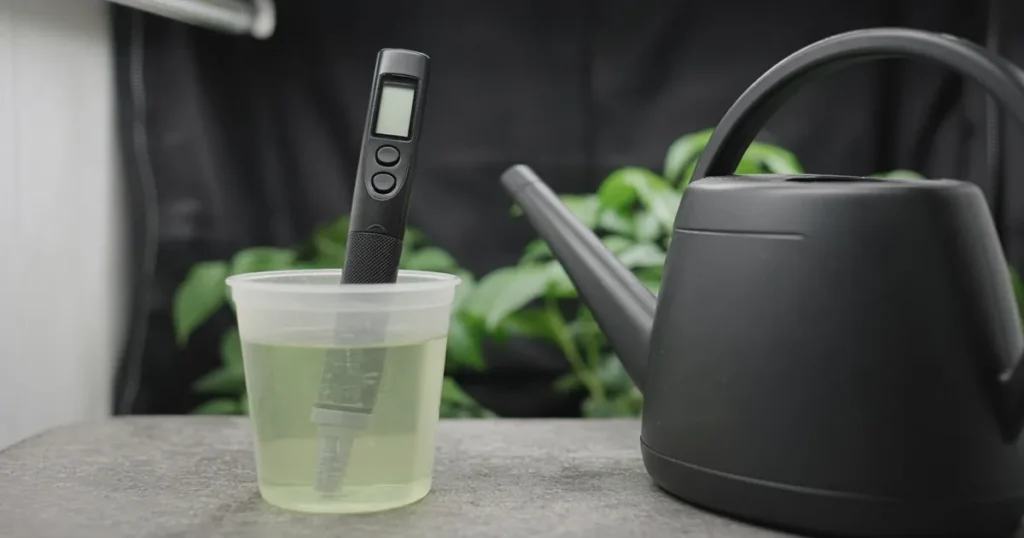
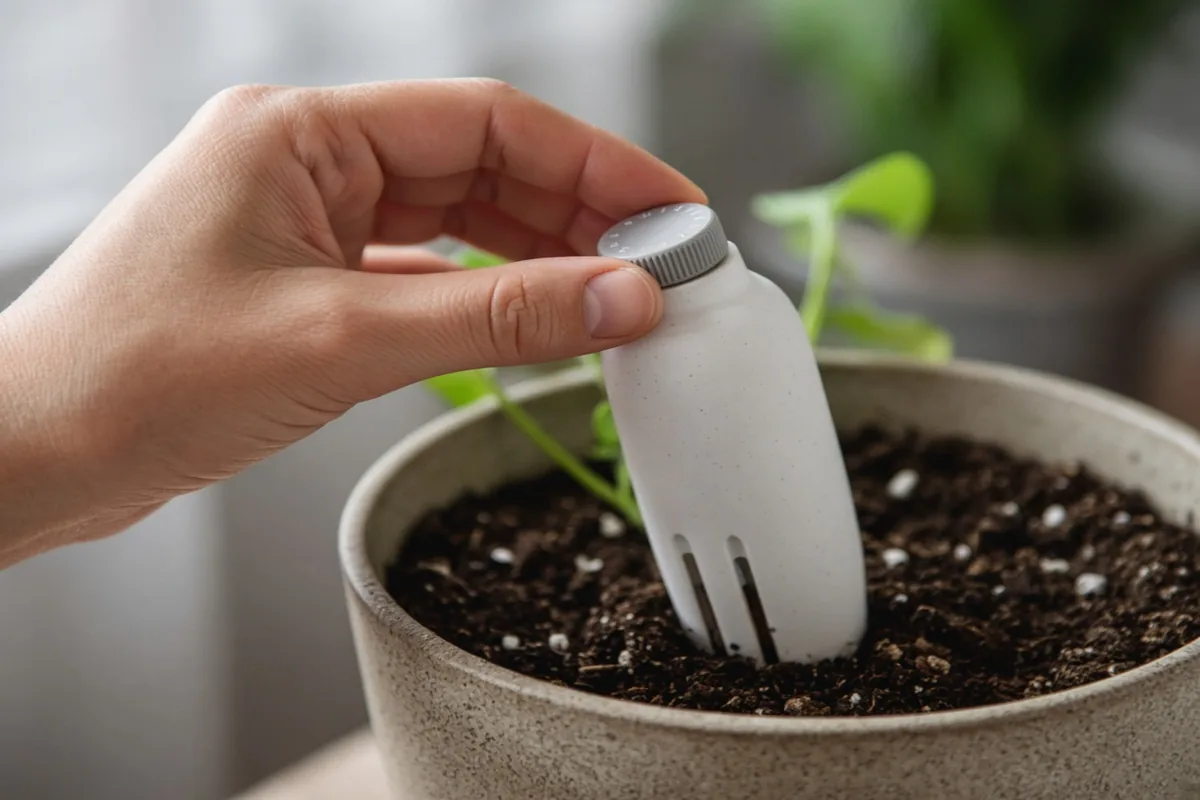
- Check with a meter. A soil moisture meter for cannabis helps confirm the system is keeping the root zone where you want it.
- Watch for overwatering signs. Droopy, heavy leaves in wet soil mean the dial needs adjusting. See overwatering cannabis.
- Clean between grows. Soak and rinse cones and flush the lines.
Blumat outdoors and in greenhouses
The same idea works outside the tent. Outdoor container gardens, raised beds and greenhouse benches can all run on clay sensors, as long as the water supply stays in the right pressure range. In hot weather, large outdoor plants can drink a lot, so a bigger reservoir or a tap line with a reducer is often more practical than a small tank. Keep tubing out of direct sun where you can, since warm water in the lines can encourage algae. Read watering cannabis in a greenhouse and watering cannabis during drought for more seasonal tips.
Troubleshooting common problems
- A sensor never drips: check for air in the line, a kinked tube or a dry cone that needs soaking again.
- A pot stays soggy: close the dial a little and check the supply pressure.
- Uneven pots: larger plants may need an extra sensor.
- Slow flow: clean the cone surface and flush the tubing.
Who should use Blumat for cannabis?
Blumat makes the most sense for soil growers who want hands off watering, growers who travel, and anyone running several pots of different sizes. If you grow in hydro or want strict control over each feed, a pump and timer system may suit you better. Self watering containers are another low tech option. See self watering pots for cannabis.
Frequently asked questions
Does Blumat need electricity?
No. The basic system runs on water pressure from a gravity tank or a tap with a pressure reducer. A pump setup needs power for the pump only.
How high does the Blumat reservoir need to be?
According to the maker, the reservoir should sit above the sensors, about 0.5 m at minimum and about 1 m recommended. Check the current instructions for your kit.
Can I add nutrients to a Blumat system?
Some growers do, using mild, clean solutions. Heavy or gritty nutrients can clog valves, so flush the lines often.
How many Blumat sensors per pot?
Small pots often need one. Larger pots may need two or more for even moisture. Follow the maker’s guidance for your pot size.
Will Blumat overwater my cannabis?
When set and supplied correctly, it should not. Most overwatering comes from dial settings that are too open or from too much line pressure.
Water smarter, grow better
Steady moisture helps cannabis grow strong from seedling to harvest. Choose your next strain from our indoor seeds or browse the full Kind Seed Co shop. Kind Seed Co sells only to adults 21 and older. Always follow the home grow laws where you live.