Cedar vs Cypress: Foliage Plus Bark Plus Growth
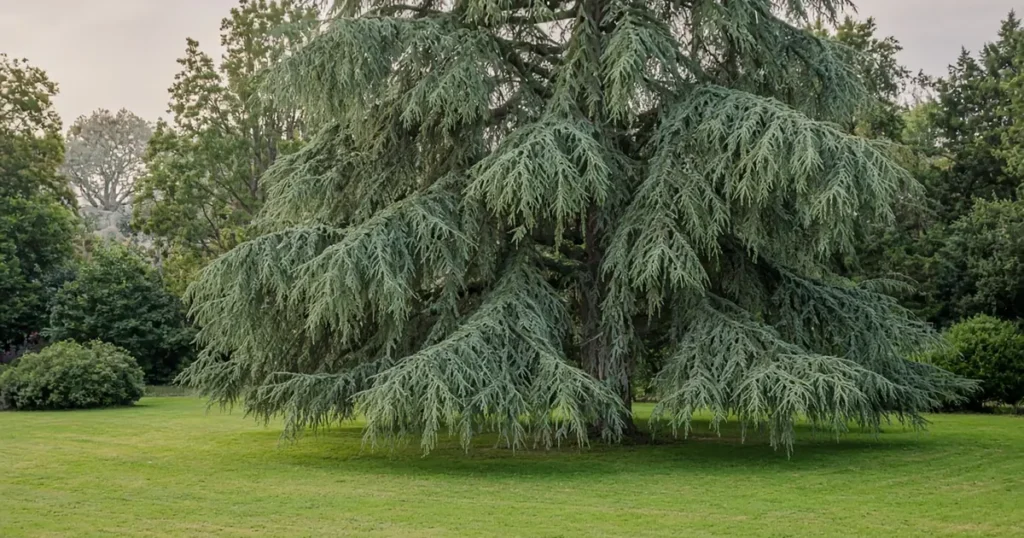
Cedar vs cypress gets confusing since common names cross plant families. NC State Extension says true cedars, genus Cedrus, carry needles on dwarf shoots. Eastern redcedar is really a juniper in the cypress family. Baldcypress is a deciduous conifer that sheds its needles each fall.
The short answer
True cedars such as deodar carry 1 to 2 inch needles in clusters on short shoots. False cypress and eastern redcedar carry fine scale or needle foliage. Baldcypress sheds its needles and handles standing water. NC State Extension lists deodar at 30 to 50 feet and false cypress at 50 to 90 feet.
How do cedar and cypress foliage differ?
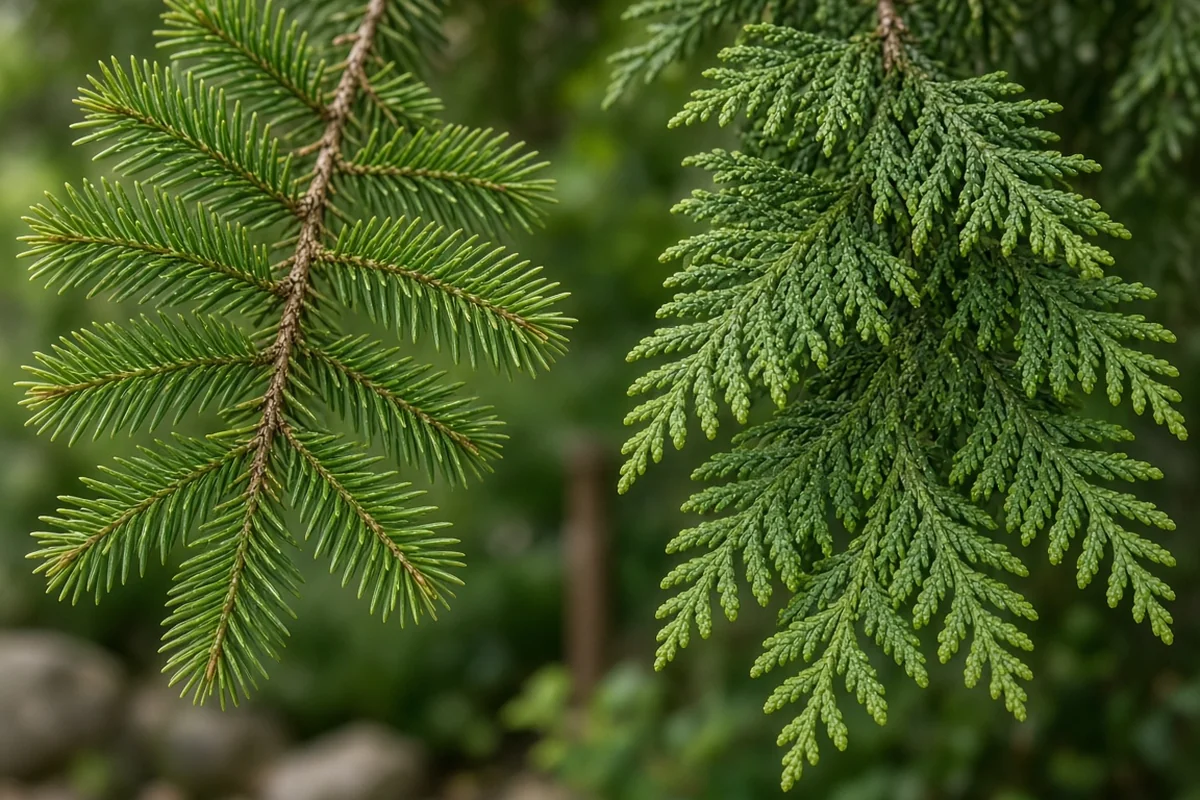
NC State Extension says deodar cedar needles are elongated, pliable and 1 to 2 inches long. They multiply on dwarf shoots and are triangular to four sided in cross section.
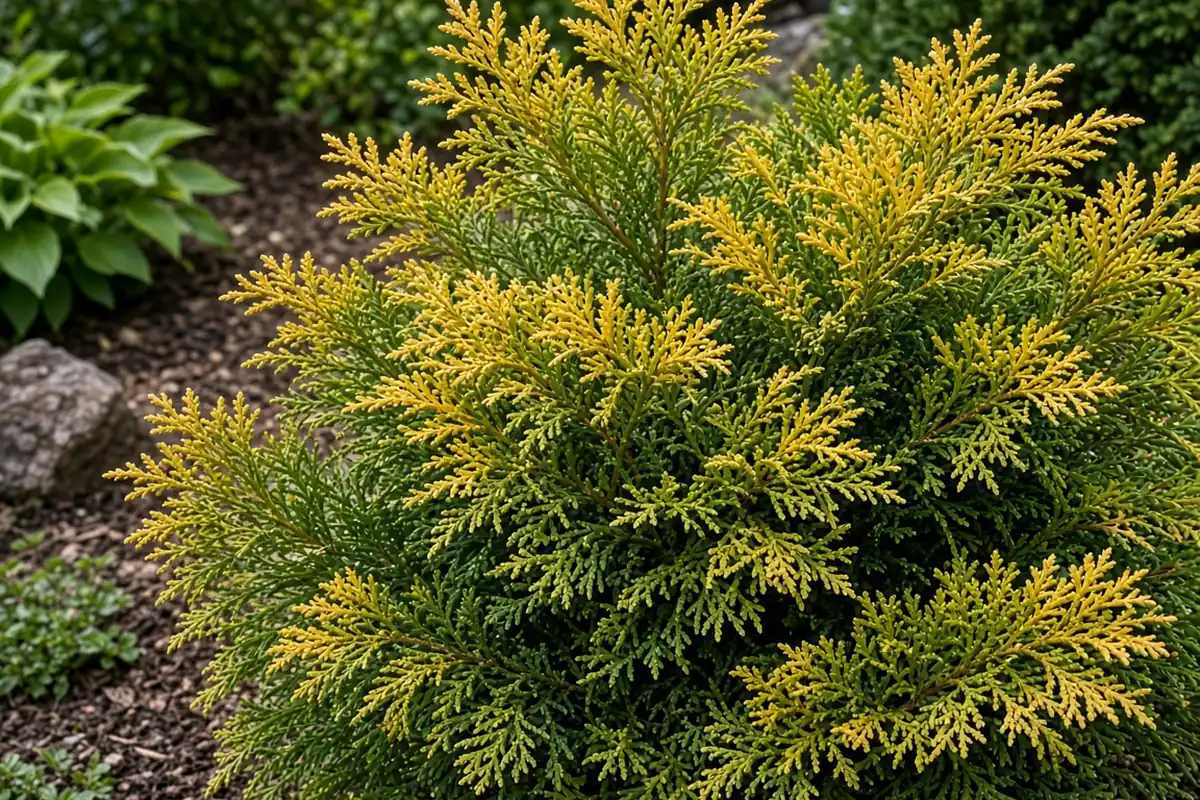
False cypress, genus Chamaecyparis, has fragrant evergreen foliage. NC State lists cultivars with scale like foliage and others with thread like needles.
Eastern redcedar has blue green, overlapping, scale like leaves at maturity. Young shoots may carry spreading, needle like leaves.
Why are common names confusing?
Eastern redcedar is no true cedar. NC State Extension calls it a juniper, Juniperus virginiana, in the cypress family.
Its female trees bear small round blue cones called juniper berries that mature in fall. Cedar waxwings adore them.
Baldcypress, Taxodium distichum, is also in the cypress family. NC State says it looks like a needled evergreen in summer but is deciduous, as the name bald suggests.
| Tree | Foliage | Height |
|---|---|---|
| Deodar cedar | Needles, 1 to 2 inches | 30 to 50 feet |
| False cypress | Scale or thread like | 50 to 90 feet |
| Eastern redcedar | Scale like at maturity | 30 to 40 feet |
| Baldcypress | Needles shed in fall | 50 to 70 feet |
Source: NC State Extension deodar profile plus NC State Extension redcedar profile.
How do growth and size compare?
NC State Extension says deodar cedar grows at a moderate rate to 30 to 50 feet tall and 30 to 40 feet wide.
False cypress forms medium to large trees 50 to 90 feet tall in gardens, and taller in the wild. Eastern redcedar reaches 30 to 40 feet tall and 10 to 20 feet wide in good conditions.
Baldcypress grows 50 to 70 feet tall and 20 to 30 feet wide with a pyramidal habit. Its roots form knobby knees near water.
How to: step by step
- Check the botanical name, not just the common name.
- Look for needle clusters on short shoots.
- Look for scale foliage on cypress family trees.
- Note bark color plus peeling pattern.
- Choose baldcypress for wet ground.
- Choose redcedar for dry, sunny ground.
Troubleshooting
Brown needles each fall: baldcypress is deciduous. No action needed.
Thin redcedar: shade. It needs full sun.
Bumps around roots: cypress knees near water. Leave them.
For related reading see growing cannabis near trees, windbreaks for outdoor cannabis plus cannabis leaf anatomy. Kind Seed Co also stocks cannabis seeds.
Sources
- Cedrus deodara (deodar cedar), NC State Extension Gardener Plant Toolbox
- Chamaecyparis (false cypress), NC State Extension Gardener Plant Toolbox
- Juniperus virginiana (eastern redcedar), NC State Extension Gardener Plant Toolbox
- Taxodium distichum (baldcypress), NC State Extension Gardener Plant Toolbox
FAQ
Is eastern redcedar a true cedar?
No. NC State Extension describes eastern redcedar as an evergreen, coniferous tree in the cypress family. Its botanical name is Juniperus virginiana. It is native from Maine south to Florida and west to South Dakota and Texas. True cedars belong to the genus Cedrus, such as deodar cedar.
Is baldcypress evergreen?
No. NC State Extension says baldcypress looks like a needled evergreen in summer but is deciduous, or bald, as its common name suggests. Its leaves grow in two rows on opposite sides of the twigs. It tolerates flooded conditions for extended periods and is native to eastern North America.
How does the bark differ?
NC State Extension says eastern redcedar bark is red brown and peels in long, narrow, fibrous strips. Baldcypress shows reddish brown peeling strips on younger trees, though older trees peel much less. False cypress bark is often reddish brown and either fibrous or blocky. Young deodar bark is smooth and gray.
Can these trees be hedged?
Some can. NC State Extension says deodar cedar works as a privacy screen or hedge. False cypress is sometimes grouped in hedges, and moderate pruning holds its conical form. Eastern redcedar does well as a screen or windbreak. Baldcypress is better used as a specimen or shade tree.
Which takes wet soil?
Baldcypress. NC State Extension says it tolerates a wide range of soils, including standing water. Eastern redcedar grows in soils from swamps to dry, rocky ground but needs full sun. False cypress prefers moist, well drained soil. Deodar grows in many soil types and is moderately drought tolerant.