
Driveway Strip Planting: Tough, Low Plants for Center Strips
The short answer
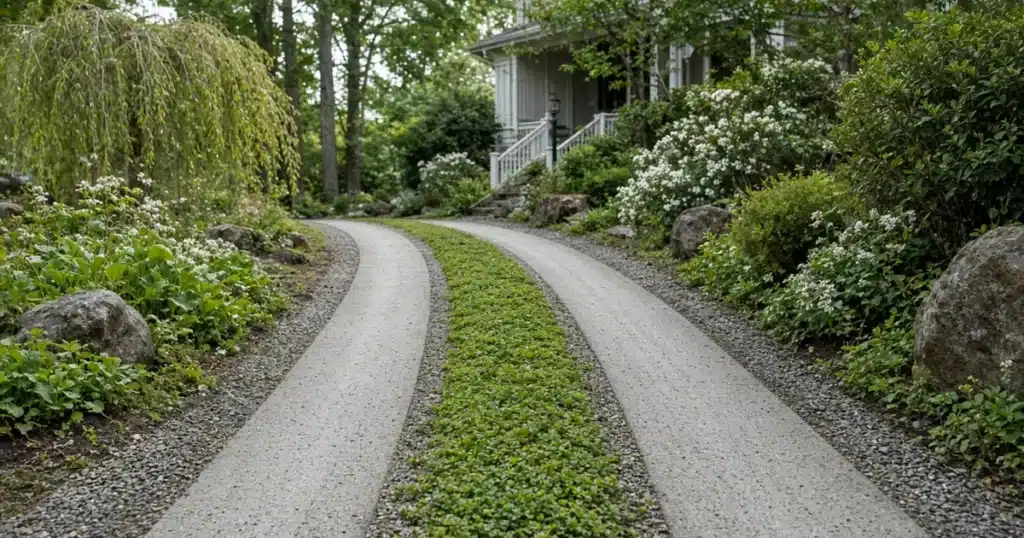
Driveway strip planting works when you choose very low, creeping plants that take full sun, dry soil and an occasional tire. Creeping thyme, moss phlox and moss stonecrop are good candidates from Extension plant lists. Loosen the soil, plant in late fall or early spring and pick plants that stay below your car’s clearance.
What plants suit a driveway center strip?
A center strip is hot, dry and sunny, and tires sometimes roll over it. An Ask Extension expert answering a question about a shared driveway strip in Oregon suggested waiting until late fall or early spring to plant species advertised as hardy enough to survive an occasional tire. The expert named creeping thyme as one example and mentioned creeping jenny in a similar spot.
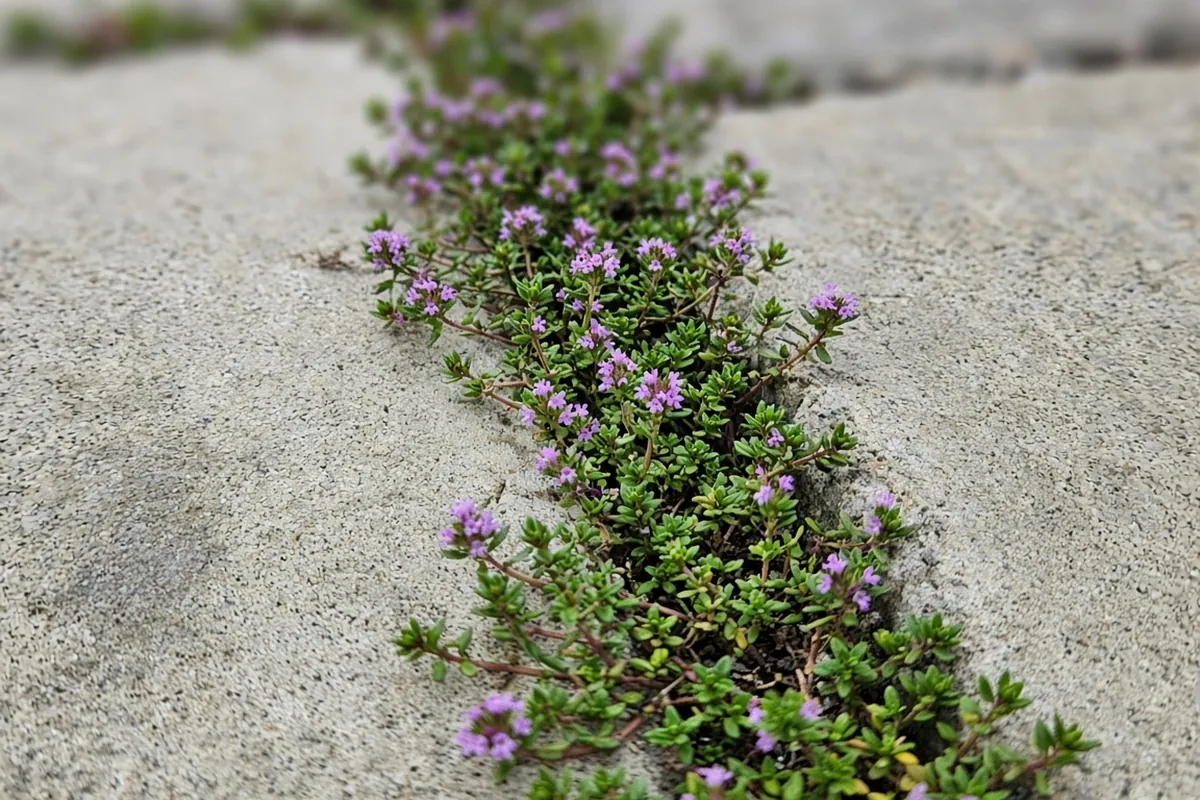
Creeping thyme fits. NC State Extension calls it a dwarf, creeping, woody evergreen that grows 2 to 3 inches tall. It prefers full sun, tolerates poor soil and thrives in sandy, gritty or rocky soil. It is drought tolerant and fills crevices between stepping stones.
Moss phlox works too. NC State says it forms a dense, spreading mat up to 6 inches tall and 2 to 3 feet wide. It likes sandy and gravelly soil, tolerates hot and dry conditions better than other phlox and is tolerant of drought and erosion.
Moss stonecrop (Sedum acre) is low to the ground and mat forming. NC State says it seldom needs watering, tolerates rocky and poor soils and establishes quickly. It tolerates only occasional foot traffic and can overwhelm other plants of similar height.
| Plant type | Fit | Notes |
|---|---|---|
| Creeping thyme | Good | 2 to 3 inches tall, full sun, gritty soil |
| Moss phlox | Good | Up to 6 inches tall, sandy or gravelly soil |
| Moss stonecrop | Good with care | Low mat, occasional traffic only, spreads aggressively |
| Burros tail sedum | Poor | Delicate leaves break off, does not handle foot traffic |
Sources: NC State Extension Gardener Plant Toolbox, Ask Extension.
Not every sedum works. NC State says burros tail has delicate leaves that do not tolerate heavy foot traffic and break off if handled, and in North Carolina it is suggested for containers and hanging baskets.
How low do driveway strip plants need to be?
Lower is better, so measure the clearance under your lowest vehicle and pick plants that stay under it. Creeping thyme at 2 to 3 inches and moss phlox at up to 6 inches are the lowest options in the table. A strip in full sun can also run hotter than nearby beds. To read how heat and sun vary across a yard, see garden microclimates for cannabis.
How do you plant a ribbon driveway?
Pull weeds first. The Ask Extension expert noted that groundcover plants, impermeable stones and gravel do not always work together, so decide which you want before you start. One option the expert described was cement pavers with holes in them.
All three plants in the table need good drainage. NC State says creeping thyme is susceptible to rot if overwatered or if the soil is poorly drained, and moss stonecrop should not sit in wet conditions. Loosen packed soil before planting. For more on why packed soil fails, see soil compaction in cannabis beds.
How to: step by step
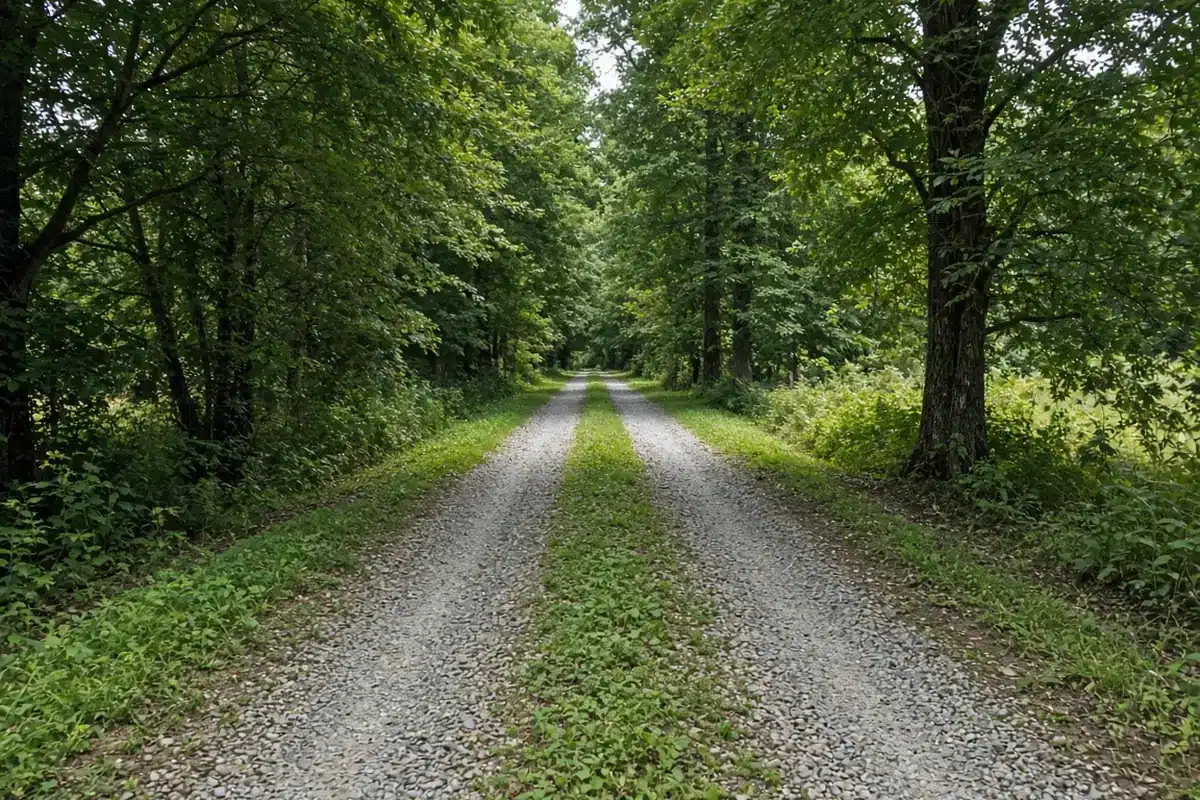
- Measure the strip width and your car’s clearance.
- Pull weeds and decide on plants, gravel or pavers.
- Loosen compacted soil in the strip.
- Improve drainage if water sits after rain.
- Plant low creeping types in late fall or early spring.
- Water until plants are established.
- Trim or replace any plant that grows too tall.
NC State suggests cutting moss phlox stems back by one half after flowering to keep the plant dense, and says creeping thyme needs pruning to manage growth and woody stems. Gritty, fast draining soil suits these plants. See sandy soil for cannabis for how sandy soil drains.
Troubleshooting
Plants scraped by cars: too tall. Switch to creeping thyme or another low type.
Bare patches: compacted soil. Loosen it and replant.
Rotting plants: poor drainage or too much water. Water less and improve drainage.
Weedy strip: gaps between plants. Plant more densely so the mat fills in.
Older phlox thinning in the middle: normal. NC State says older plantings thin out as new growth spreads away from the center.
A low strip that lasts
Pick the lowest plants you can find. Give them sun and sharp drainage, then plant in a cool season. The Kind Seed Co blog has more garden help for plants beyond cannabis.
Sources
- Advice on driveway divider plants, Ask Extension
- Phlox subulata, NC State Extension Gardener Plant Toolbox
- Thymus serpyllum, NC State Extension Gardener Plant Toolbox
- Sedum acre, NC State Extension Gardener Plant Toolbox
- Sedum morganianum, NC State Extension Gardener Plant Toolbox
FAQ
Can grass grow in a driveway strip?
Some can, but a strip is often hot, dry and packed. The Ask Extension expert pointed people to grass options and also to cement pavers with holes as another approach. Many gardeners use low creeping groundcovers instead, since they stay short and handle dry, gritty soil.
Does creeping thyme handle car traffic?
It can handle an occasional tire. An Ask Extension expert named creeping thyme as an example of a plant hardy enough for an occasional tire. NC State Extension says it grows only 2 to 3 inches tall and fills crevices in stepping stones and pathways, which suits a narrow center strip.
Do sedums tolerate heat from pavement?
Low sedums such as moss stonecrop handle heat and dry soil well. NC State Extension says to mass plant it in hot areas and that it seldom needs watering. It tolerates only occasional foot traffic, and trailing types such as burros tail are too delicate for a strip.
How wide should a ribbon driveway strip be?
The sources do not give one width. Measure what you have and pick plants that fit it. Moss phlox spreads 2 to 3 feet wide, while creeping thyme spreads 3 to 12 inches, so narrow strips may suit thyme better than phlox.
When should you plant a driveway strip?
Late fall or early spring. An Ask Extension expert suggested those seasons for planting groundcovers in a driveway strip. Cool weather lets roots settle before summer heat. Water new plants until they are established, then water only when the soil is dry.


