
Dryland Gardening: Spacing and Soil Moisture for Low Rain US Areas
The short answer
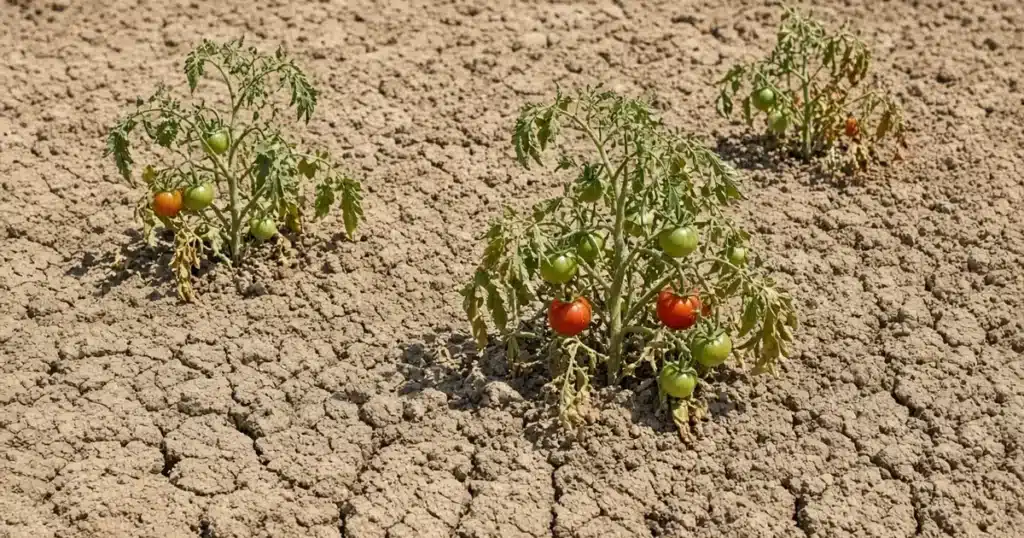
Dryland gardening, also called dry farming, grows crops on moisture stored in the soil with little or no irrigation. It relies on wide spacing, deep soils that hold water, early planting and steady weed control. It works well where winter rain fills the soil. Choose suited crops and expect smaller yields with deeper flavor.
Dry farming has a long history in parts of the western US. Home gardeners in low rain areas can borrow its methods to cut watering and grow flavorful food.
What is dryland gardening?
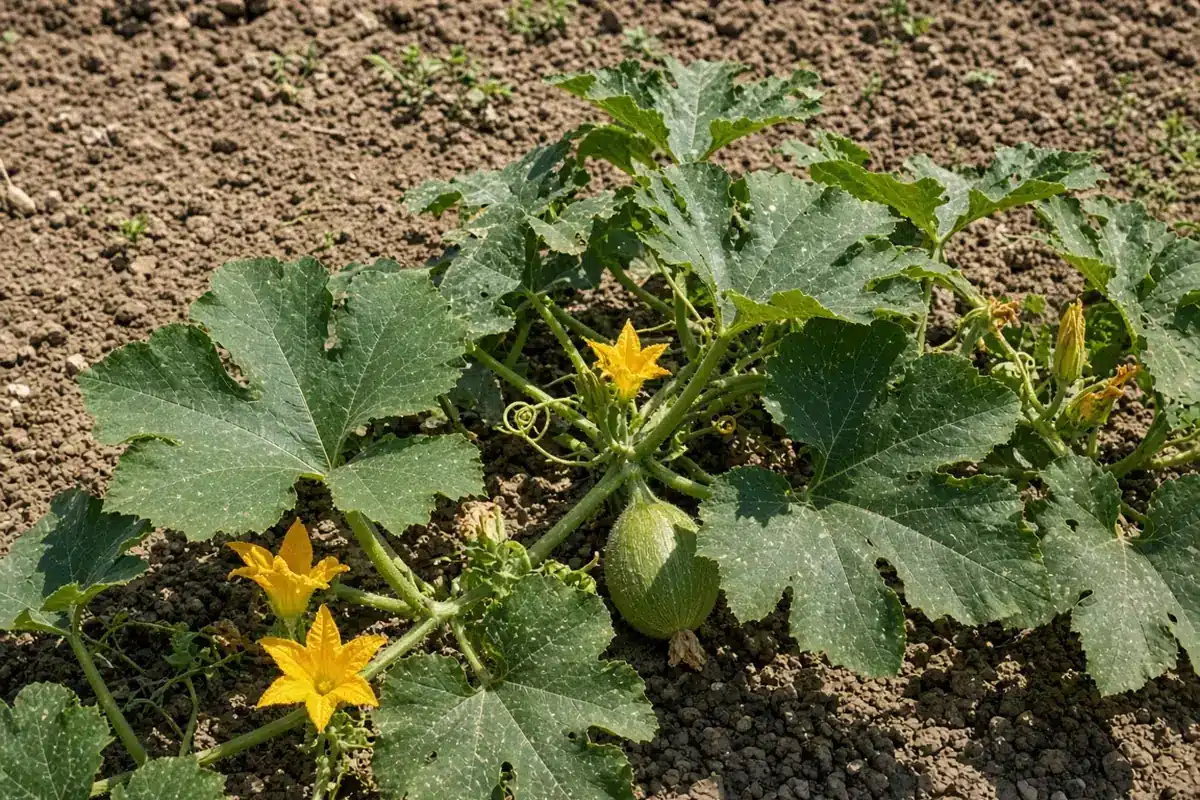
In dry farming, plants draw water from the soil profile rather than from regular irrigation. Rain and snow during the wet season soak deep into the ground. Crops planted soon after send roots down to reach that stored water as the surface dries.
The Oregon State University Extension guide to dry farming in the maritime Pacific Northwest explains that the method fits regions with wet winters and dry summers. Deep, silty or loamy soils hold the most water.
Dry farming isn’t the same as growing in a desert with no water at all. It depends on soil that was filled by seasonal rain.
Which soils suit it?
Depth and texture matter most, since deep soils store more water. Silty and loamy soils with some clay hold water well. Sandy soils drain fast and store little, so they suit dry farming poorly.
Dig a hole a few feet deep in spring. If the soil is moist and free of rock or hardpan, it may support dry farming. If you hit rock or dry sand, plan on some irrigation.
The Oregon State University Extension page on common misconceptions about dry farming stresses that soil water holding capacity is the first thing to check. Without it, dry farming fails.
Our post on checking soil moisture by feel shows how to judge water in soil with your hands.
| Factor | Why | Source |
|---|---|---|
| Deep soil | Stores more water for roots | Oregon State University Extension |
| Wet season rain | Fills the soil before planting | Oregon State University Extension |
| Wide spacing | Each plant has more soil water | Oregon State University Extension |
| Weed control | Weeds use stored water | Oregon State University Extension |
| Suited crops | Some crops handle dry soil better | Oregon State University Extension |
Sources: Oregon State University Extension.
How does spacing help?
Each plant draws water from the soil around its roots. Close spacing means plants compete for the same water. Wide spacing gives each plant more soil to draw from.
Dry farmed tomatoes, for example, are spaced much wider than irrigated plants, with rows often several feet apart. Squash and melons get even more room.
The Oregon State University Extension guide to dry farm tomato production in western Oregon describes wide spacing, early planting and variety choice for dry farmed tomatoes.
When should you plant?
Plant as soon as soil warms enough after the rainy season. Early planting lets roots chase water down while the soil is still moist.
Some growers water once at transplanting to settle roots, then stop. Others plant into moist soil without any water.
Which crops suit dry farming?
Crops with deep roots and some drought tolerance work well. Tomatoes, winter squash, melons, potatoes, dry beans and some grains are classic choices.
Leafy greens and shallow rooted crops struggle when dry.
Dry farmed crops often yield less but taste richer. Many growers report better concentrated flavor from dry farming.
How do you save soil moisture?
Weeds drink the water your crops need, so pull them early and often.
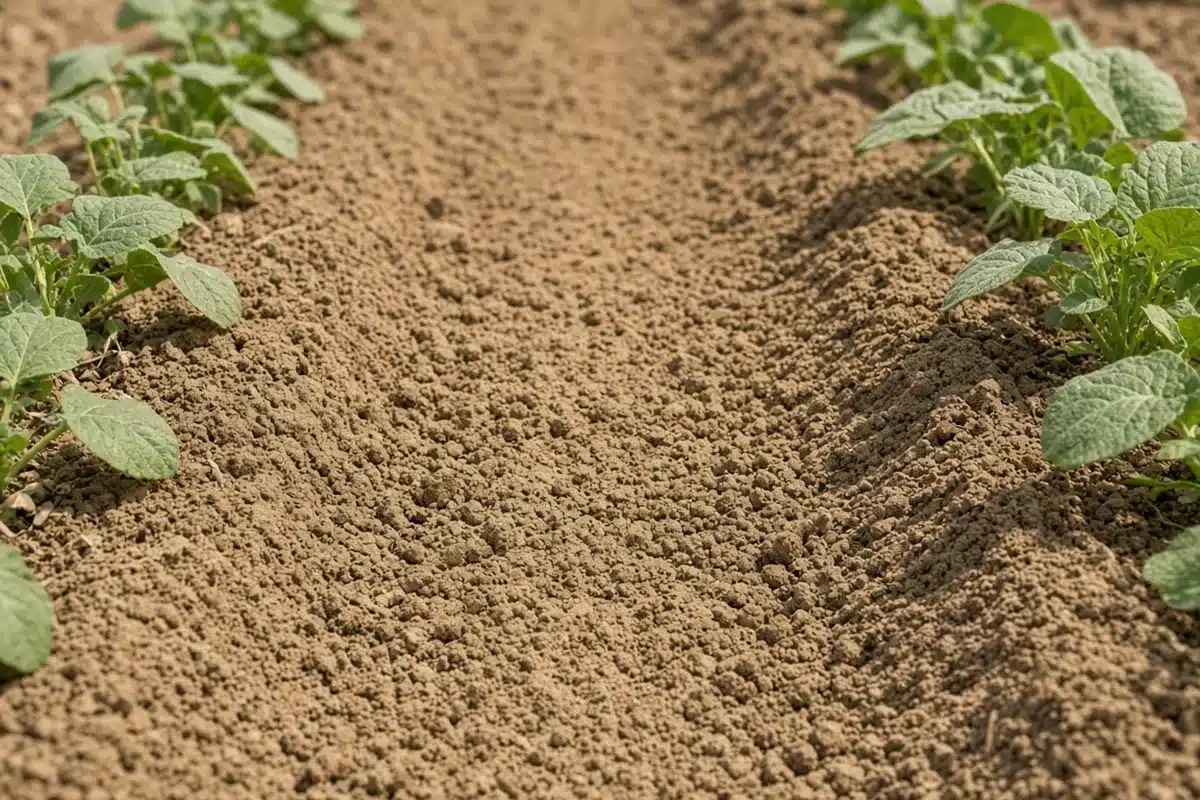
A loose layer of dry soil on top, made by shallow cultivation, slows evaporation. Some growers use mulch instead. Our post on mulch for cannabis covers mulch types that hold moisture.
Skip deep tilling midseason, since it dries the soil.
What if drought hits?
In a dry winter, the soil may not fill. Then plan on some irrigation or plant fewer crops.
Our post on watering cannabis during drought covers how to stretch water in dry years, and the same ideas help any garden.
How do you start small?
Pick one crop and one bed. Plant some plants dry farmed and some irrigated. Compare growth, yield and flavor over the season. Use what you learn the next year.
How to: step by step
- Check that your soil is deep and holds water.
- Plan planting soon after the rainy season.
- Space plants much wider than usual.
- Pull weeds to save moisture.
- Mulch or cultivate to reduce surface loss.
- Choose crops suited to dry farming.
Take notes on rainfall each winter. Wet winters set up better dry farming seasons.
Troubleshooting
Plants stall midseason. Soil dried. Space wider next year.
Weeds thrive. There was no control. Weed early.
Small fruit. Water is low. Thin plants.
Plants wilt at planting. Soil was dry. Water once to settle roots.
Blossom end rot on tomatoes. Moisture is uneven. Pick suited varieties and mulch.
With deep soil, wide spacing and the right crops, dryland gardening turns stored rain into flavorful harvests. Kind Seed Co shares more garden projects in outdoor growing.
Sources
- Dry farming in the maritime Pacific Northwest (EM 9229), Oregon State University Extension, Dry farming in the maritime Pacific Northwest (EM 9229)
- Dry farm tomato production in western Oregon (EM 9687), Oregon State University Extension, Dry farm tomato production in western Oregon (EM 9687)
- Common misconceptions and key points about dry farming, Oregon State University Extension, Common misconceptions and key points about dry farming
FAQ
Can dryland gardening work in sandy soil?
Rarely. Sandy soil stores little water. Deep loams work well.
Which vegetables suit dry farming?
Tomatoes, winter squash, melons, potatoes and dry beans are common choices.
Do dry farmed crops taste better?
Many growers find flavor more concentrated, especially in tomatoes.
Is any water needed at planting?
Some growers water once to settle transplants, then stop.
Where does dry farming work well?
In regions with wet winters, dry summers and deep soils.



