
How to Make a Flower Bed: Mark Clear plus Plant
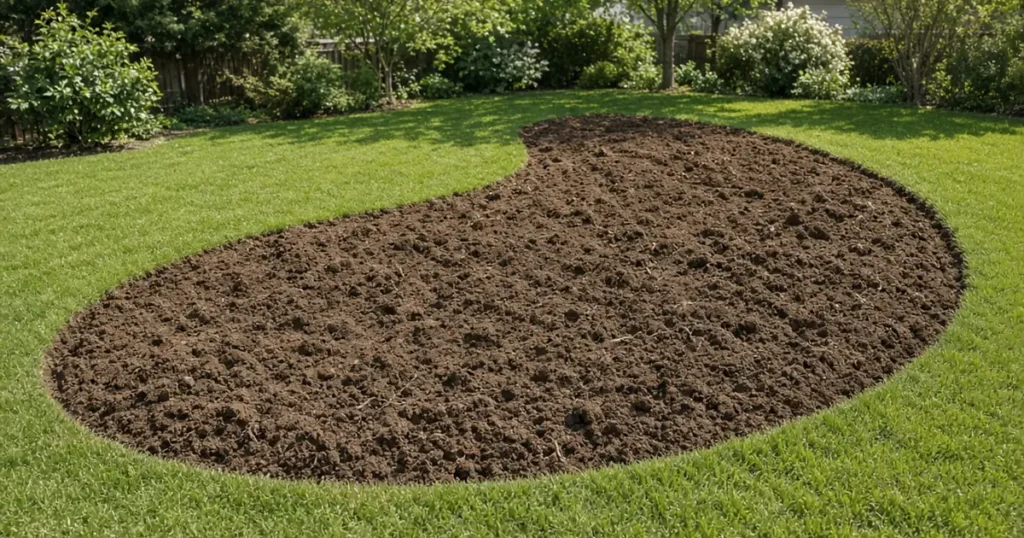
How to make a flower bed: choose a site with the right sun plus drainage, mark the shape, remove grass, then loosen the soil plus work in organic matter before planting. UConn Home and Garden Education Center notes many flowering plants need 6 to 8 hours of sun a day.
The short answer
Start with the site. UConn Home and Garden Education Center notes many flowering plants need 6 to 8 hours of sun plus good drainage. Mark the outline, remove the grass by digging or smothering it, loosen the soil plus mix in 1 to 2 inches of organic matter. Plant, water in plus mulch.
How do you choose a site for a flower bed?
University of Maine Cooperative Extension advises mapping sun by checking spots every hour through a day plus starting with one small bed. UConn Home and Garden Education Center notes water that puddles for long after rain may point to compacted soil or a high water table.
| Step | What to do | Why it matters |
|---|---|---|
| Map sun | Check the site hourly through a day | Plant choice depends on light (University of Maine Cooperative Extension) |
| Check drainage | Fill a 10 inch hole with water twice | Water should drain within eight hours (University of Maryland Extension) |
| Clear grass | Dig sod or smother it with cardboard | Removes competing vegetation (UConn Home and Garden Education Center) |
| Loosen soil | Work about a foot deep with a fork | Roots need loose soil (University of Maine Cooperative Extension) |
| Add organic matter | Mix in 1 to 2 inches | Improves soil structure (University of Maryland Extension) |
Source: University of Maine Cooperative Extension, University of Maryland Extension plus UConn Home and Garden Education Center.
What is the easiest way to remove grass?
UConn Home and Garden Education Center notes sod can be dug by hand, tilled plus raked or lifted with a sod cutter. Oregon State University Extension notes sheet mulching with plain brown cardboard smothers existing weeds by blocking sunlight, plus the cardboard breaks down after several months.
How should soil be prepared for flowers?
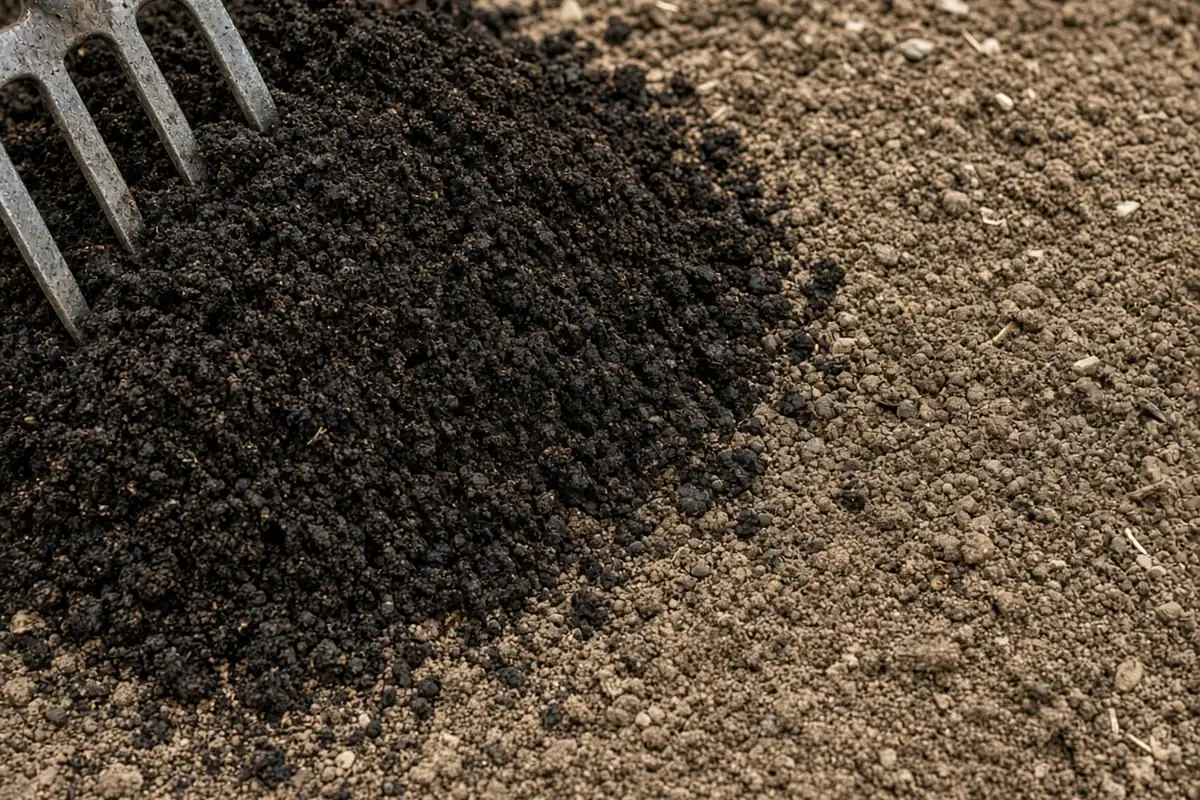
University of Maryland Extension advises checking soil early, adjusting pH if needed plus adding about 1 to 2 inches of organic matter. University of Maine Cooperative Extension advises loosening soil about a foot deep with a garden fork without overworking it, plus removing weeds, rocks plus old roots.
How to: step by step
- Observe the site to count hours of sun.
- Outline the bed with a hose or string.
- Clear sod by digging or smothering it.
- Have the soil checked plus loosen it about a foot deep.
- Work 1 to 2 inches of organic matter into the bed.
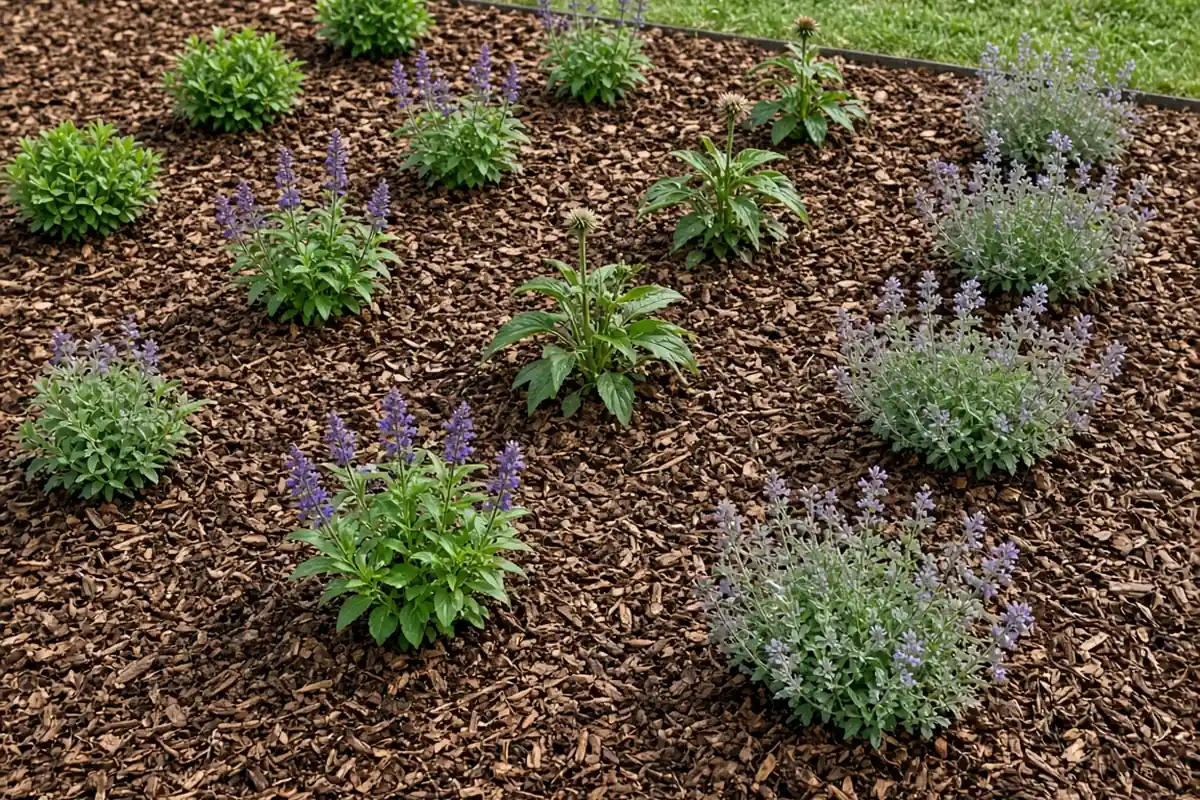
- Plant, water in plus mulch around the plants.
Troubleshooting
Grass returns in the bed: roots left behind. Repeat digging or smothering.
Plants sit in water after rain: poor drainage. Raise the bed.
Plants stretch plus flop: too little sun. Pick shade plants.
For related reading see planning an outdoor cannabis garden layout, when is soil ready to work plus soil checks for cannabis. Kind Seed Co also stocks cannabis seeds.
Sources
- Garden beds, UConn Home and Garden Education Center
- How do I plan a flower garden?, University of Maine Cooperative Extension
- Planting annuals and perennials, University of Maryland Extension
- Sheet mulching and lasagna composting with cardboard (EM 9559), Oregon State University Extension
FAQ
Can I build a flower bed on top of grass?
Yes. UConn Home and Garden Education Center advises cutting grass to one inch or less, laying a single layer of moistened cardboard or thick wet newspaper plus covering it with 6 to 8 inches of topsoil. Sheet composting takes about 6 months, so a fall start is ready by spring.
How deep should soil be loosened?
University of Maine Cooperative Extension advises working the soil to a depth of about a foot with a garden fork, while noting that overworking it can damage soil texture. UConn Home and Garden Education Center notes heavy or compacted sites can be double dug, which loosens soil to two spade depths.
When should I start a new flower bed?
Fall works well. University of Maryland Extension notes preparing the bed in fall gives a head start on spring planting, since materials that adjust pH need time to work. UConn Home and Garden Education Center notes a sheet composted bed started in fall will be ready to plant next spring.
Should I edge a new flower bed?
It helps. UConn Home and Garden Education Center notes a raised bed can be contained with boards or stones for a formal look or given gradually sloping edges. University of Maryland Extension advises wooden or masonry borders around raised beds to stop soil washing away during rain.
How should a new flower bed be watered?
University of Maine Cooperative Extension advises watering the soil rather than the plants, since overhead watering can leave leaves wet plus cause fungal problems. It notes less frequent, deeper watering works better than frequent quick watering. Site the bed close enough to a faucet that the hose reaches.



