
How to Landscape a Corner Lot: Unity Plus Privacy
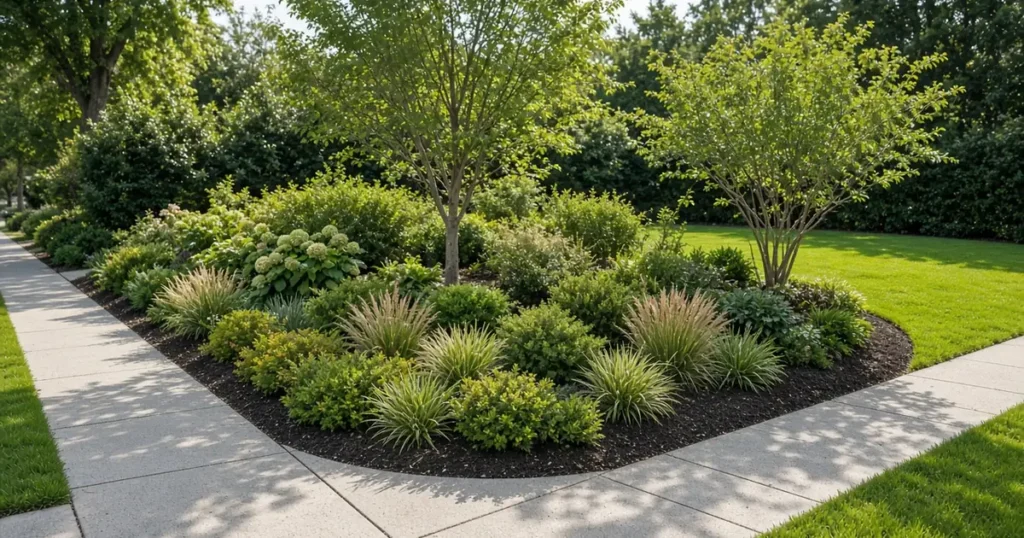
Here is how to landscape a corner lot. Map the whole site, plan both street faces as one design plus add screens where you want privacy. University of Missouri Extension says to start with a base plan. NC State Extension notes that a unified design provides a pleasant view from every angle.
The short answer
Start with a base plan that shows property lines, utilities, walks plus existing plants, as University of Missouri Extension advises. Plan both street faces as public areas that lead the eye to the entry. Repeat a few plants for unity. Then place a mixed evergreen screen along the edge where you need privacy.
How do two street faces change the plan?
University of Missouri Extension describes the front yard as the public area, visible from the house plus the street. A corner lot has two such faces, so both deserve design attention.
A unified design gives a pleasant view from every angle, per NC State Extension. Unity comes when different parts are grouped or arranged to appear as a single unit.
Missouri adds that the doorway is the focal point of the public area. Use larger plants at the corners of the house plus graduate to smaller plants toward the door.
How can a corner lot feel unified?
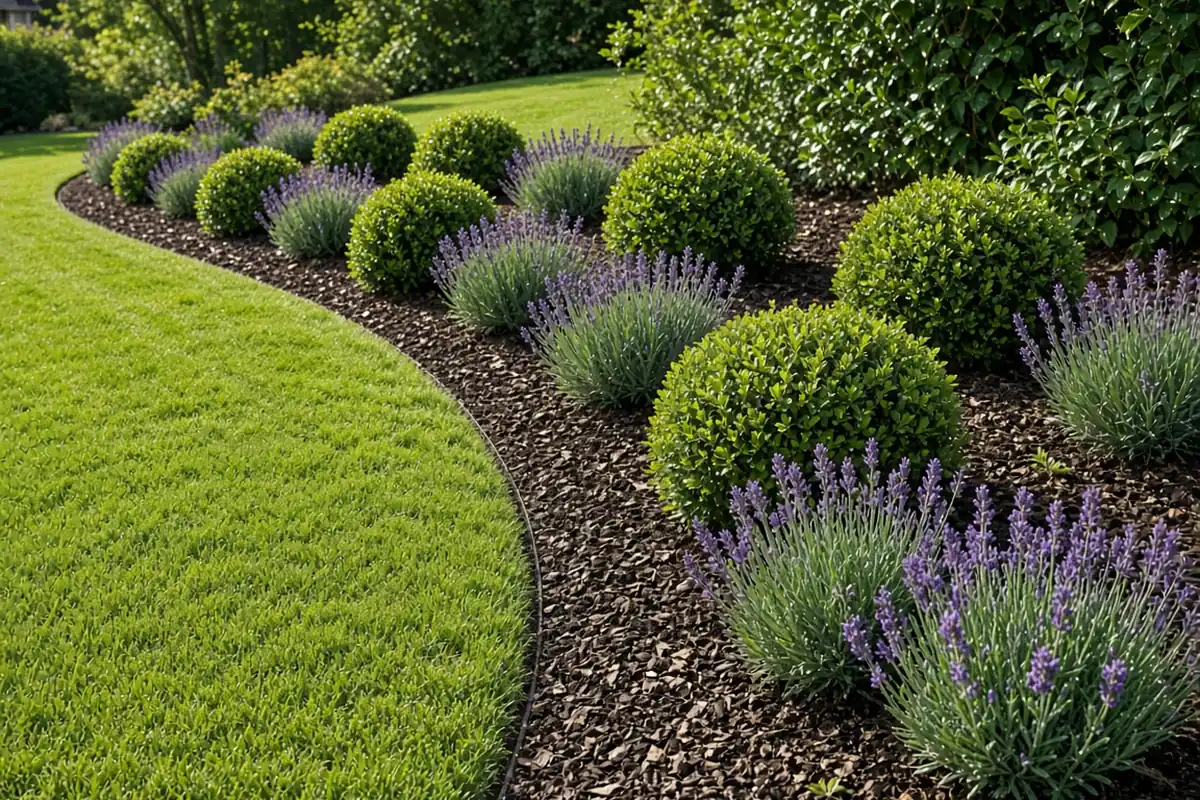
University of Missouri Extension says unity comes from plants that complement each other, effective grouping plus repeated elements. Repeating plants along both street faces ties them together.
NC State Extension cautions against too many plant varieties, accent plants plus contrasting accessories. A yard with too many ideas in a small space lacks unity.
Balance also matters. Missouri notes that heavy plantings on one side plus few on the other create a feeling of imbalance that lessens curb appeal.
| Area | Purpose | Source note |
|---|---|---|
| Both street faces | Public view to the entry | Doorway is the focal point |
| Property edge | Privacy screen | Mixed evergreen plants |
| Foundation beds | Frame the house | Shrubs 2 to 4 feet near windows |
| Back yard | Private living area | Most important area to develop |
Source: University of Missouri Extension plus NC State Extension.
Where should privacy plantings go?
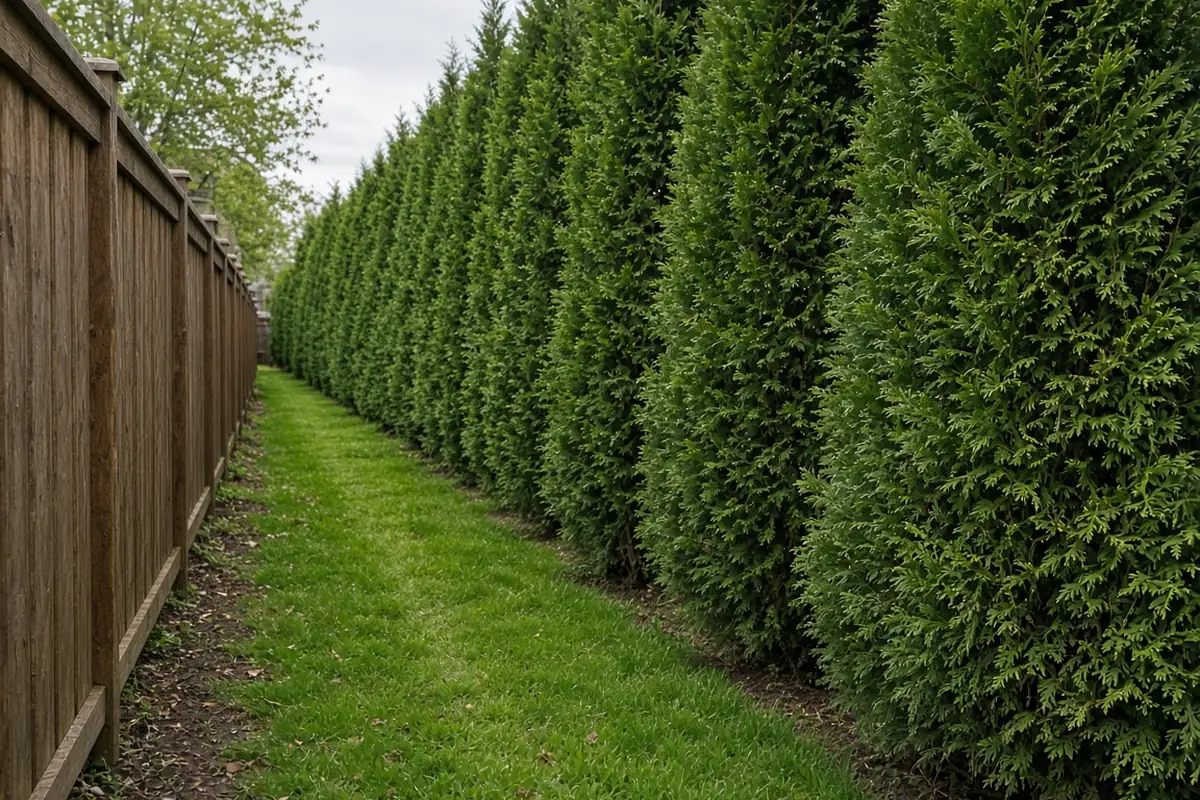
University of Missouri Extension notes that screens may be fencing, hedges or a combination. They may block views from the private area, public area or neighbors.
NC State Extension suggests a mixed screen with a variety of plants along the property edge. A single species screen can be lost entirely to disease or insect problems.
NC State adds that grouping plants close for an instant screen causes problems later as they compete for resources. Space plants by their mature size.
How to: step by step
- Sketch a base plan with property lines, utilities plus walks.
- Label both street faces as public areas.
- Choose a small set of plants to repeat on both faces.
- Frame the house with foundation beds 6 to 9 feet wide.
- Where you want privacy, place a mixed evergreen screen.
- Space screen plants by mature size.
Troubleshooting
Yard feels exposed: no screening. Add a mixed screen.
Corner looks cluttered: too many plant types. Repeat fewer.
One side looks heavy: poor balance. Even out plantings.
For related reading see planning an outdoor cannabis garden layout, windbreaks for outdoor cannabis plus garden microclimates for cannabis. Kind Seed Co also stocks cannabis seeds.
Sources
- Extension Gardener Handbook, chapter 19, NC State Extension
- University of Missouri Extension MG11
- What can I plant for privacy?, NC State Extension
- Designing plus planting foundation beds, LSU AgCenter
FAQ
Which shrubs work for privacy?
NC State Extension lists yaupon holly plus inkberry holly as options native to parts of the southeastern United States. Yaupon holly can withstand shearing for a hedge. Camellias plus fringe flower add blooms. NC State notes Leyland cypress plus boxwood now face serious pest plus disease issues.
How tall should foundation shrubs be?
LSU AgCenter suggests shrubs with a maximum height of 2 to 4 feet to avoid blocking the view from windows. Beds should be 6 to 9 feet wide from the home to the far edge. That gives roots room away from utilities, plumbing plus the foundation.
Should a corner lot have a fence?
University of Missouri Extension notes that screens may be fencing, plant materials that form hedges or a combination of both. Screens may block views from the private area, public area or neighbors. NC State Extension favors a mixed screen of several species for resilience against pests.
What plant mix suits foundation beds?
LSU AgCenter suggests making half of the plant selections evergreen, one fourth flowering shrubs plus trees, and one fourth annual plus perennial bedding plants. Shrubs make up the majority of the foundation planting. Add a tree or two for height.
Where should water drain on a corner lot?
University of Missouri Extension says water should always be directed away from the house so it does not stand around the foundation. LSU AgCenter advises sloping beds down 6 inches for every 10 feet away from the house so rain drains toward the lawn.



