
How to Make a Low Maintenance Garden: Plants Plus Layout

Here is how to make a low maintenance garden. Pick plants that are well adapted to your site, group plants with similar water needs and mulch the beds. Texas A&M AgriLife Extension says native plants are often more tolerant of drought, insects and disease. Plan the layout so mowing and weeding stay simple.
The short answer
Choose adapted plants, group them by water needs and mulch. Texas A&M AgriLife Extension recommends plants that are highly adapted to your location. Colorado State University Extension says to group plants with similar water needs in a hydrozone. NC State Extension notes that considering mature size means plants grow without major maintenance later.
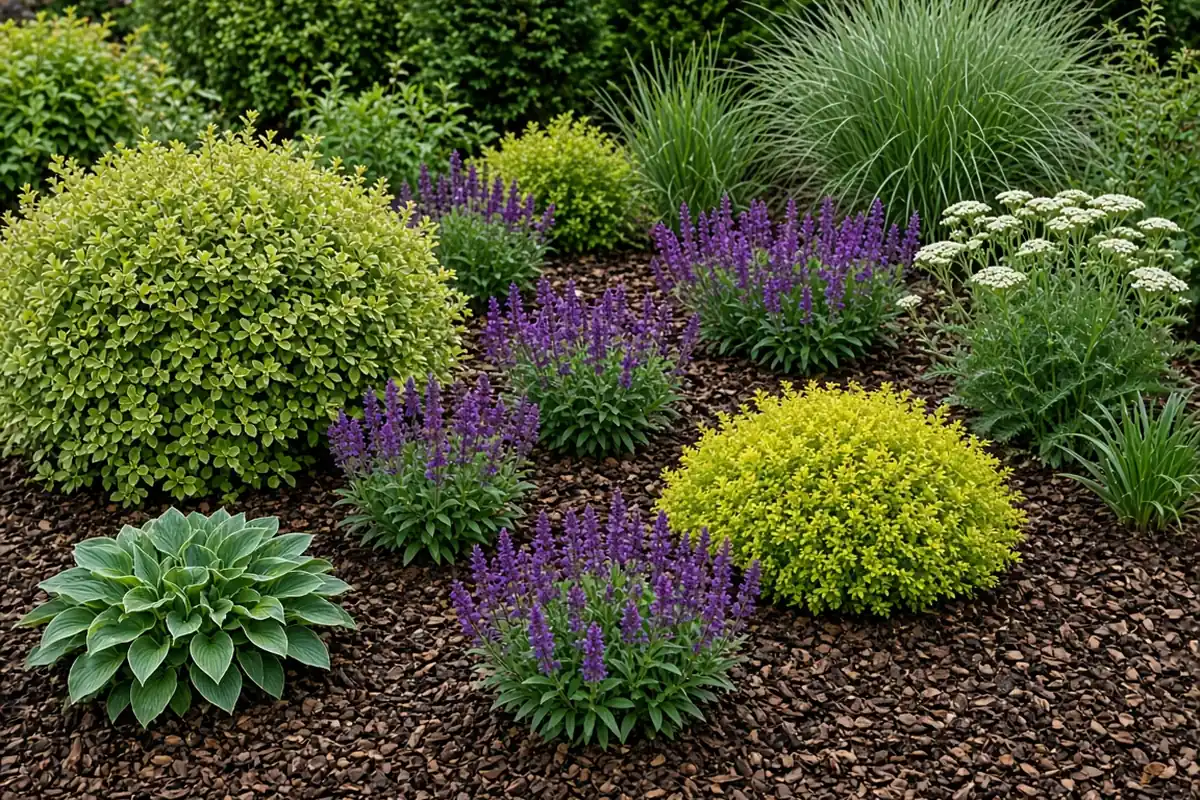
Why does plant choice cut chores?
Natives often handle drought, insects and disease better, per Texas A&M AgriLife Extension. The same source adds that natives use as much water and fertilizer as other plants if they are not managed well.
The same source notes that many well adapted plants from elsewhere also limit environmental impacts. Its Earth Kind Plant Selector helps you find plants highly adapted to your location.
NC State Extension advises choosing plants for their individual character so they grow without major maintenance as they mature. Ask whether any plant will grow oversized and create extra work.
How does grouping plants help?
Colorado State University Extension says not to group plants with different water needs in the same irrigation zone. You will be unable to meet the needs of any of them.
Instead, group plants with similar water needs in a hydrozone so they can be watered well. The common mistake it describes is a spruce next to a pine.
Texas A&M AgriLife Extension adds that grouping several shrubs fairly close together gives a natural, massive effect. Mass plantings are an extension of that idea, where single plants lose identity.
| Choice | Why it saves work | Source note |
|---|---|---|
| Adapted plants | Fewer inputs | Often tolerant of drought and insects |
| Hydrozones | Simpler watering | Group similar water needs |
| Mulched beds | Fewer weeds | Suppress weeds and conserve moisture |
| Open lawn | Easier mowing | Avoid dotting plants about |
Source: Colorado State University Extension plus NC State Extension.
How do mulch and layout save time?
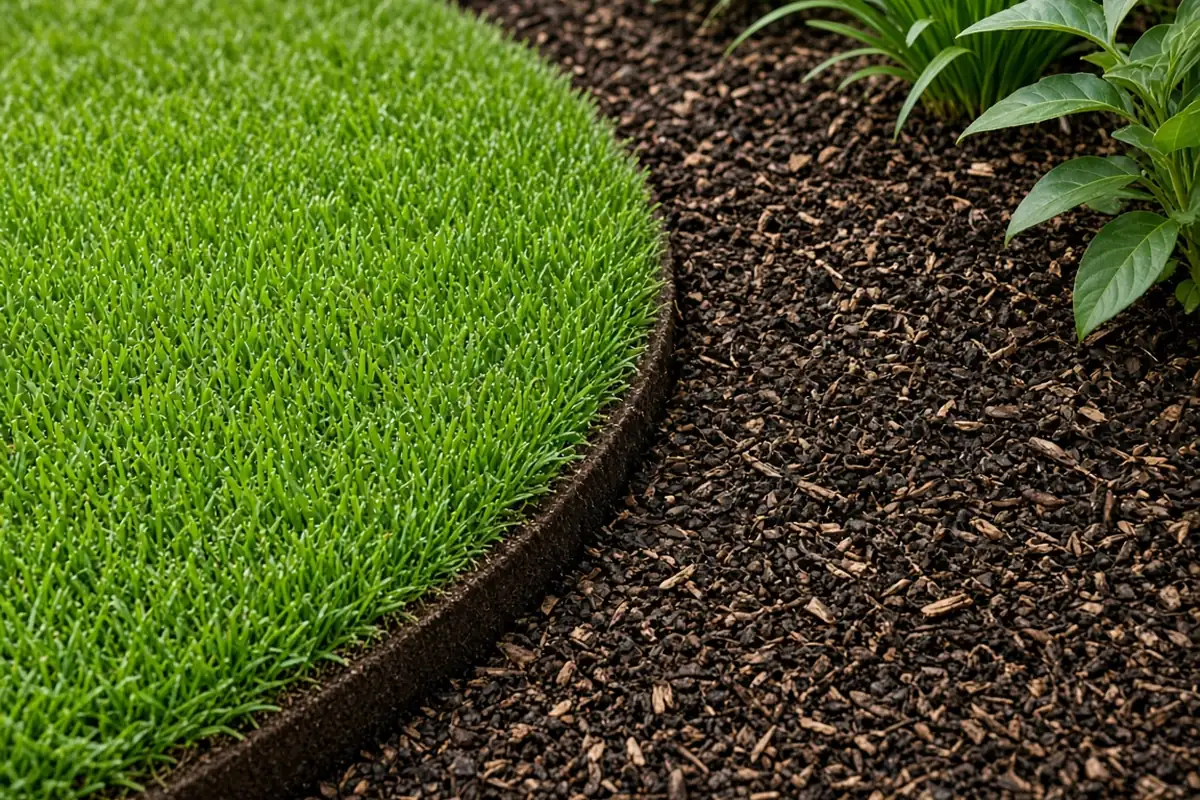
NC State Extension says organic mulches such as pine fines or shredded leaves suppress weeds and conserve moisture. It suggests setting shrubs together in one large bed and mulching well.
University of Missouri Extension notes that an uninterrupted lawn looks spacious and is easier to mow. Avoid scattering plants about the lawn, which makes mowing much more difficult.
Colorado State University Extension suggests changing turf on steep slopes or narrow strips to low water ground covers. Strips of grass narrower than 8 feet are hard to irrigate well with spray heads.
How to: step by step
- Survey the site for sun, soil and slopes.
- Pick plants highly adapted to your location.
- Check the mature size of each plant.
- Group plants with similar water needs.
- Plant shrubs together in one large bed.
- Mulch the beds to suppress weeds.
Troubleshooting
Constant watering: mixed water needs. Regroup plants into hydrozones.
Weeds everywhere: bare soil. Mulch beds.
Endless trimming: plants too big. Pick sizes that fit.
For related reading see mulch for cannabis, planning an outdoor cannabis garden layout plus watering cannabis during drought. Kind Seed Co also stocks cannabis seeds.
Sources
- Earth Kind plants, Texas A&M AgriLife Extension
- Xeriscaping: retrofit your yard, Colorado State University Extension
- Extension Gardener Handbook, chapter 19, NC State Extension
- University of Missouri Extension MG11
FAQ
How thick should mulch be?
NC State Extension suggests covering a planted area with 2 to 3 inches of hardwood mulch. Colorado State University Extension mentions a three or four inch layer of woodchip mulch around higher water use plants on drip irrigation. Either way, mulch helps suppress weeds and conserve moisture in the soil.
Is a smaller lawn easier?
Colorado State University Extension suggests removing turf that is hard to water or mow, such as along fences, on slopes or in narrow strips. University of Missouri Extension adds that an uninterrupted lawn is easier to mow. Fewer awkward lawn shapes usually means less time spent on edges.
Do native plants need less water?
Texas A&M AgriLife Extension says native plants are often more tolerant of drought. It also notes that natives can use as much water as other plants if they are not managed well. Colorado State University Extension adds that even drought tolerant plants need regular water until they establish.
Should weed fabric go under mulch?
Colorado State University Extension says you do not need weed barrier fabric beneath mulch. It explains that weed fabrics can inhibit water and air exchange into the soil. It adds that they do not actually prevent weed growth in permanent plantings, so mulch alone is the simpler route.
Should a new garden go in all at once?
Colorado State University Extension suggests putting a large new garden in phases. That gives you an idea of its maintenance needs and which plants do well in your yard. It also advises starting with an area of manageable size and having a plan for regular weeding.



