
How to Plant a Fall Garden: Late Summer Sowing
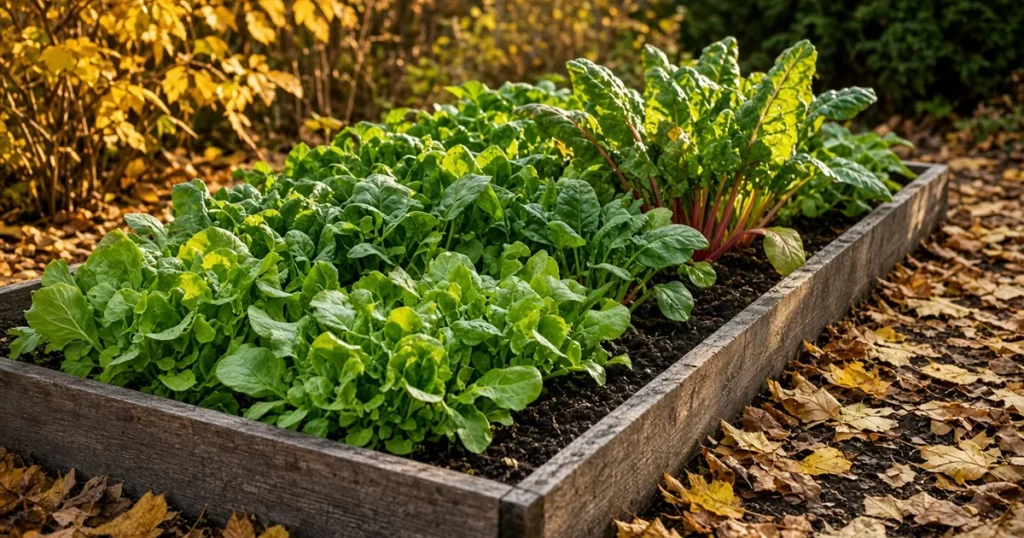
Knowing how to plant a fall garden starts with open space plus a schedule. University of Maryland Extension suggests putting fall crops in spaces left by spring crops and by summer crops that decline by late July.
The short answer
Count back from the date you want to harvest by the days to maturity on the seed packet. University of Maryland Extension then adds a short day factor of 14 days. Sow cool season crops in late summer. Hold seedbeds evenly moist so seeds do not dry out.
How do you time a fall garden?
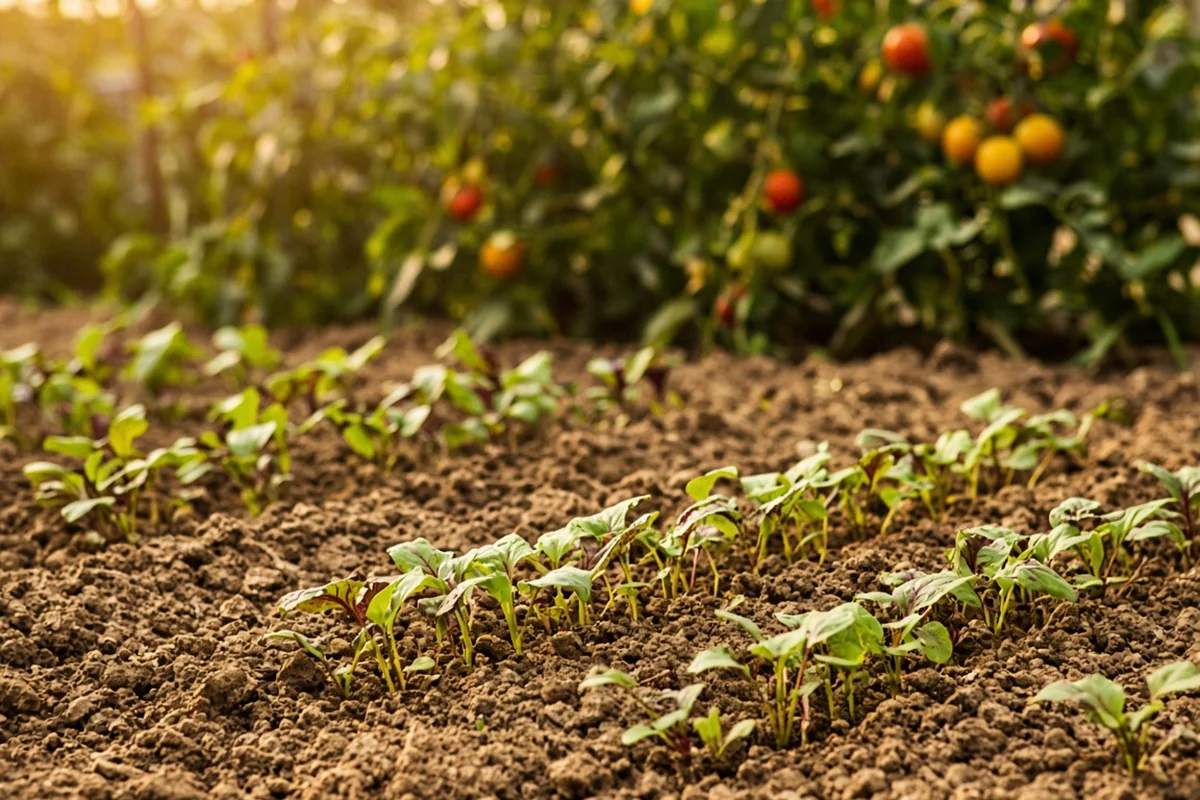
Timing matters more in fall than in spring. University of Maryland Extension notes that days get a few minutes shorter each day. Less light plus cooler weather slows growth, so plant early enough for plants to establish.
The same source gives an example. To pick beets on October 15 from a 55 day variety, count back to August 20. Then subtract 14 more days and sow around August 7. Fall crops often fail because they are planted too late.
Which crops suit fall planting?
University of Maryland Extension lists hardy crops that handle a hard frost. These include broccoli, cabbage, kale, spinach plus turnip. Half hardy crops such as beet, carrot, Swiss chard plus radish handle light frost.
| Crop group | Examples | Frost note |
|---|---|---|
| Hardy | Broccoli, cabbage, kale plus spinach | Handle a hard frost |
| Half hardy | Beet, carrot, Swiss chard plus radish | Handle light frost |
| Quick greens | Looseleaf lettuce, arugula plus radish | Sow several times for a steady supply |
Source: University of Maryland Extension plus UNH Extension.
How do you start seeds in summer heat?
University of Maryland Extension notes that lettuce plus spinach seeds sprout poorly when soil is above 70°F. Wait for summer heat to ease before sowing them. Seedlings may need shade cloth or row cover to shield them from bright sun plus insects.
How to: step by step
- Learn your average first frost date.
- Count back each crop’s days to maturity plus 14 days.
- Remove spent summer crops.
- Lay ½ to 1 inch of compost on the bed.
- Sow or transfer cool season crops.
- Water seedbeds evenly until plants establish.
Troubleshooting
Lettuce seeds fail to sprout: soil above 70°F. Wait until summer temperatures cool.
Crops not mature before cold: sown late. Plant earlier or pick quick crops such as radish plus arugula.
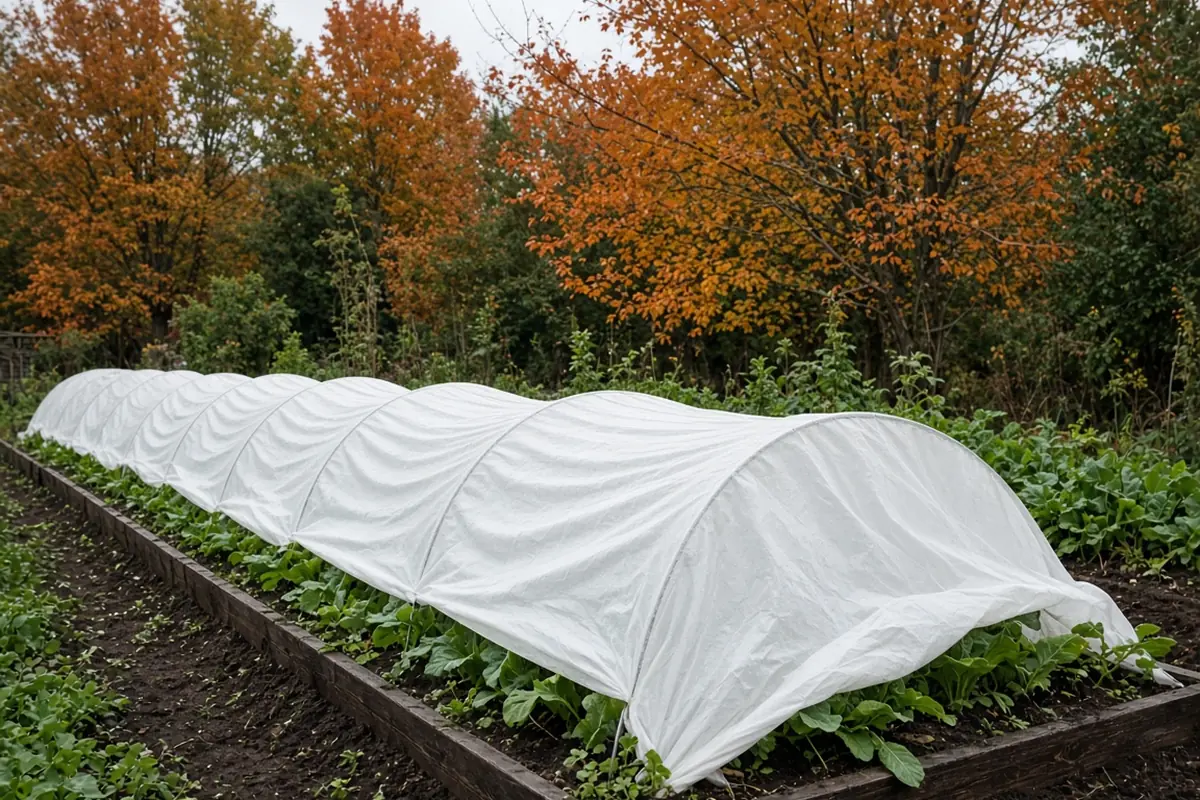
Frost threatens tender crops: UNH Extension suggests covering plants on nights when frost is predicted.
For related reading see planning a garden layout, cover crops plus frost damage. Kind Seed Co also stocks cannabis seeds.
Sources
- Fall vegetable gardening, University of Maryland Extension
- Fall garden tasks, Iowa State University Extension and Outreach
- Fall garden checklist, University of Illinois Extension
- Fall vegetable garden activities, UNH Extension
FAQ
When should a fall garden be planted?
Work back from the date you want to harvest. University of Maryland Extension suggests subtracting the days to maturity from that date, then subtracting 14 more days for shorter days plus cooler weather. Quick crops such as radish plus arugula can be sown several times from late August through late September.
Which vegetables taste sweeter after frost?
University of Maryland Extension notes that frost raises the sugar content of many cool season crops. The same change also makes the plants more cold hardy. UNH Extension adds that Brussels sprouts improve in flavor after frost, while kale can be picked for many weeks into winter.
Can transplants be used in fall?
Yes. University of Maryland Extension notes that transplants of crops that are usually direct sown let you plant later into fall. Good transplants can be hard to buy late in the season, so plan to start your own seed indoors or outside in a shaded spot.
How can a fall garden be extended?
University of Maryland Extension suggests cold frames plus row covers to stretch the picking season. Row cover can be moved aside on mild days for light plus air. Beets, turnips plus carrots can be dug through December under an insulating mulch that shields the roots from freezing.
What should be done with spent summer plants?
Iowa State University Extension advises clearing leaves, stems plus fruit from the vegetable garden after the first frost. Many pests plus diseases overwinter on plant debris. The same source notes that compost must reach at least 140°F to kill most pathogens, which most home piles do not reach.


