
Jumping Worms in Cannabis Gardens: Identify and Contain
Most gardeners welcome worms in a bed. Jumping worms are the exception. These invasive earthworms, native to East Asia, eat through the surface layer of soil and mulch, and leave behind loose, grainy soil that University of Wisconsin-Madison Extension says has poor structure for plants. University of Minnesota Extension adds that they can strip soil of nutrients and kill plants. They spread easily in soil, mulch and potted plants. Telling jumping worms from ordinary earthworms comes first in this Kind Seed Co post, followed by what they do to a bed and how to keep them from reaching or leaving your growing area.
What are jumping worms?
Jumping worms belong to the genus Amynthas. University of Minnesota Extension describes them as an invasive species native to eastern Asia. They live in leaf litter and the top few inches of soil, and they feed on soil organic matter, leaf litter and mulch, according to University of Wisconsin-Madison Extension.
Their name comes from their behavior. University of Wisconsin-Madison Extension explains that when handled, they thrash violently, may jump into the air or shed their tails. University of Minnesota Extension adds that they can move across the ground in an S pattern like a snake.
Two features make them hard to stop. They reproduce without a mate, so University of Wisconsin-Madison Extension notes that a single worm can start a new population. Their eggs are also tiny and easy to miss, so they move unseen in soil and mulch.
How do you tell jumping worms from regular earthworms?
Look closely at a worm’s color, its collar and how it moves. These points come from University of Wisconsin-Madison Extension and University of Minnesota Extension.
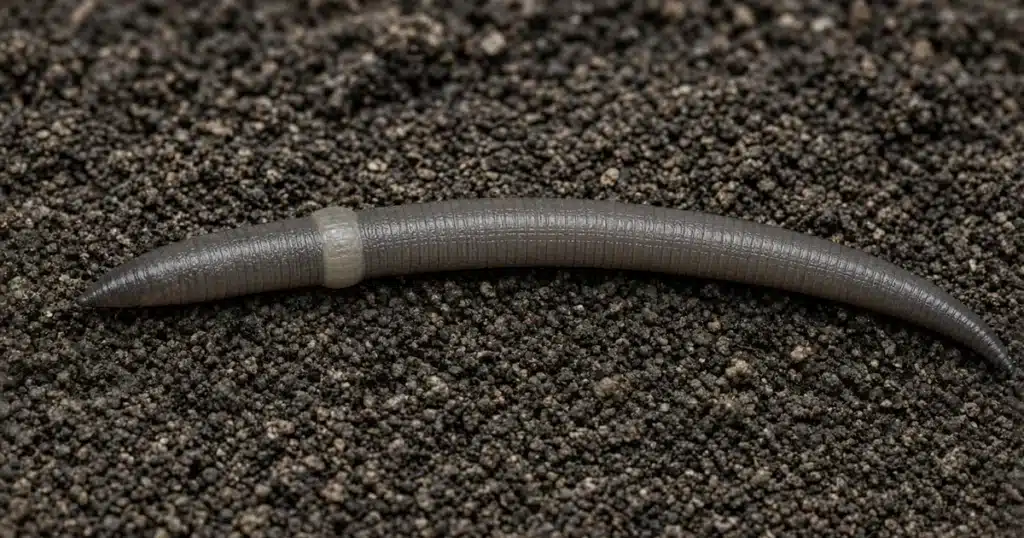
- The collar. The clitellum is the lighter ring near the head. On a jumping worm it is smooth, cloudy white and barely raised, and it circles the whole body evenly. On common European earthworms it is pinkish and swollen like a saddle.
- Collar position. University of Minnesota Extension says the collar sits about one third of the way down the body from the head.
- Color. Jumping worms are more gray or brown than pink.
- Feel. They do not produce slime the way other earthworms do, and the body feels firmer.
- Size. University of Minnesota Extension gives a length of about 1.5 to 8 inches or more, similar to other large earthworms.
- Behavior. Strong thrashing, jumping and tail shedding when touched are the giveaway.
Wireworms are not worms at all but beetle larvae with hard bodies and tiny legs, and wireworms in cannabis soil explains them. A soft, segmented worm that jumps when touched is a different story.
What do jumping worms do to garden soil?
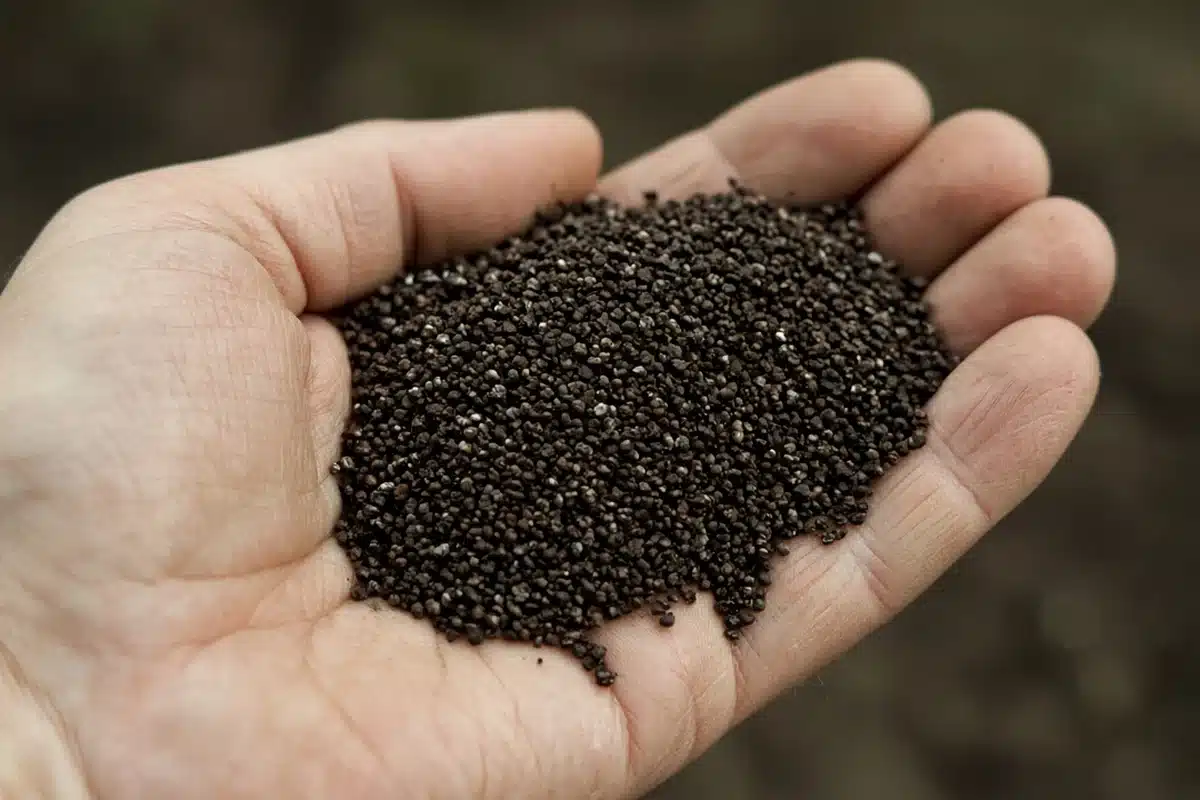
The most visible sign is the soil itself. University of Wisconsin-Madison Extension explains that jumping worms excrete grainy, hard little pellets, and that soil they have worked resembles large coffee grounds. University of Minnesota Extension describes the same coffee-ground texture.
That change matters for plants in several ways.
- Poor structure. University of Wisconsin-Madison Extension says the changed soil has poor structure for plants to grow in.
- Lost organic matter. The worms consume the organic matter that plants, fungi and bacteria rely on for nutrients, removing much of it from the soil.
- Reduced growth. University of Minnesota Extension notes that jumping worms reduce plant growth and can kill plants.
- Root exposure. In loose, granular soil, roots can sit in a crumbly layer that dries quickly and offers poor anchorage.
For a cannabis bed, that can mean plants that struggle to establish, dry out fast and need more attention to stay healthy. If your soil has changed texture and plants are underperforming, a lab soil test, covered in soil testing for cannabis, helps you see what has happened to nutrients and organic matter.
When are jumping worms active?
Their life cycle explains why you may not see them until midsummer.
- Winter and spring. University of Wisconsin-Madison Extension says adults die in winter and the next generation survives as tiny cocoons in soil or leaf litter.
- Late spring to early summer. University of Minnesota Extension says they hatch in late spring in the top 1 to 4 inches of soil. University of Wisconsin-Madison Extension notes hatching in late June in its area.
- Summer. The worms grow quickly. University of Wisconsin-Madison Extension says their life cycle lasts about 60 days, so two generations a year are common.
- Late summer and fall. University of Minnesota Extension says adults begin laying eggs in August. Large adults are most noticeable late in the season.
Because cocoons are so small, a bed can look clean in spring and be full of worms by August.
How do you keep jumping worms out of a cannabis garden?
University of Minnesota Extension is clear that prevention is the only known way to manage jumping worms. The steps below follow its guidance.
- Inspect incoming material. Watch for jumping worms in soil, potted plants, mulch and compost before you bring any of it into the garden.
- Ask suppliers. University of Minnesota Extension suggests asking suppliers of mulch, soil and plants whether they know about jumping worms, what steps they take to keep them out, and whether they inspect their products.
- Do not move suspect material. If you see coffee-ground soil or unusually jumpy worms in a pile, leave it where it is.
- Clean gear. Remove soil and mud from boots, tools and equipment before moving between sites.
- Avoid buying worms sold under jumping-worm names. University of Minnesota Extension notes they are sometimes sold as snake worms, crazy worms or similar names.
- Use clean potting mix in containers. Fresh bagged mix in pots is a simple way to keep a cannabis container out of reach of soil-borne worms.
What can you do if you already have jumping worms?
University of Minnesota Extension says there are no proven, research-based tools for controlling jumping worms, and no pesticides approved for worm control in yards and gardens. That leaves a few practical steps.
- Hand-collect and bag them. University of Minnesota Extension suggests removing worms by hand and putting them in the trash. It says harvesting worms should reduce numbers and stop those worms from reproducing.
- Never release them. Dispose of worms in the garbage rather than moving them elsewhere.
- Keep soil and plants on site. University of Minnesota Extension advises not moving plants and soil from a site known to have jumping worms, because cocoons can be present even when no adults are visible.
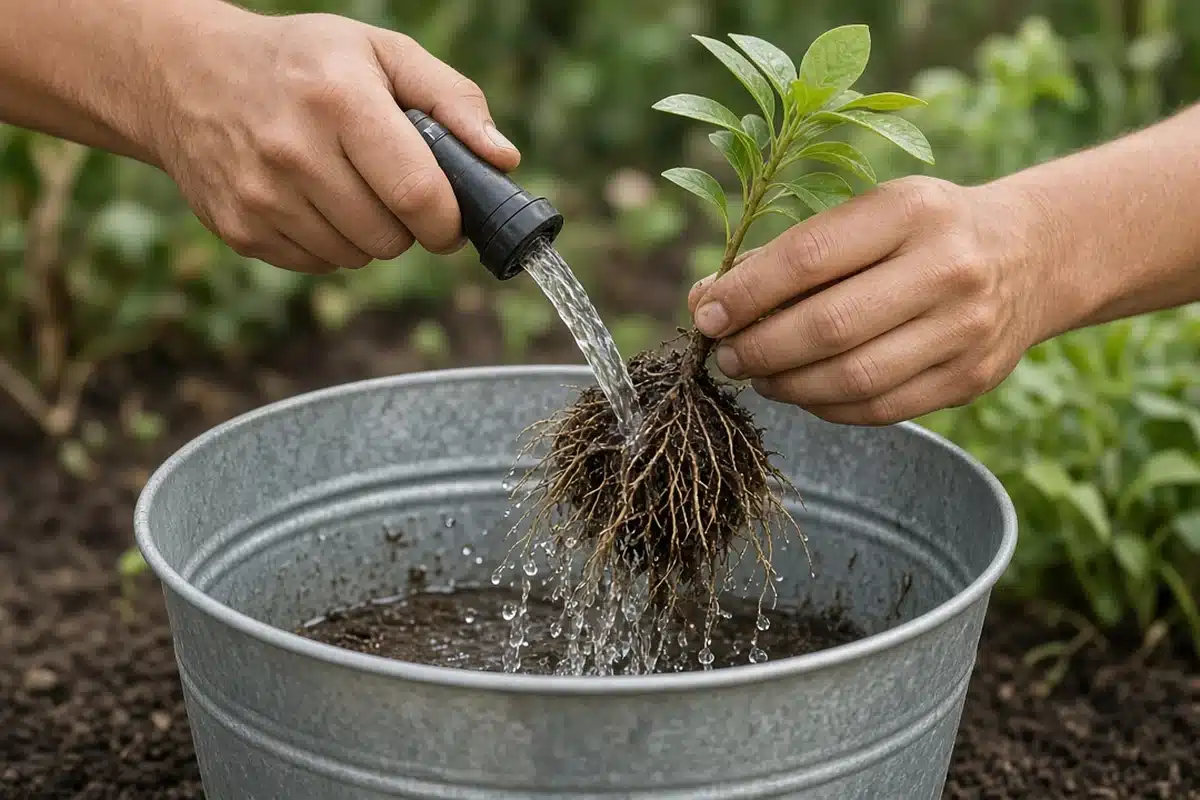
- Wash roots when moving plants. If you must move a plant, wash the soil off the roots and replant in clean mix, as University of Minnesota Extension suggests for plant sales.
- Limit movement within your yard. Even moving soil and mulch from one bed to another can speed the spread.
- Be wary of treatment claims. University of Minnesota Extension notes that fertilizer and other products sometimes promoted for worms are not proven to control them.
University of Minnesota Extension also explains that it is unclear whether adding mulch or wood chips helps or hurts. The worms digest woody material well, so they can survive and spread in mulch, and these practices do not limit them. Some growers move cannabis into raised containers filled with fresh mix to sidestep an infested bed while they work on containment.
Troubleshooting soil and worm questions
If you are not sure what you are dealing with, consider these points.
- Grainy soil but no worms visible. It may be early in the season. Check again in late summer, when adults are larger.
- Worms present but they do not jump. They may be ordinary earthworms. Look at the collar color and shape.
- Loose, dry topsoil in one bed only. The worms may have arrived with a load of mulch or a gifted plant. Trace what was added to that bed.
- Plants wilting fast in loose soil. The coffee-ground layer dries quickly. Water more often and consider growing in containers.
- Heavy, sticky soil instead of grainy soil. That points to a texture issue rather than worms, which clay soil for cannabis deals with.
Sources
- University of Wisconsin-Madison Extension, Wisconsin Horticulture. Jumping Worms. https://hort.extension.wisc.edu/articles/jumping-worms/
- University of Minnesota Extension. Jumping worms. https://extension.umn.edu/identify-invasive-species/jumping-worms
FAQ
How can I tell if I have jumping worms?
Look for soil that resembles coffee grounds and worms that thrash or jump when touched. Check the collar near the head. On a jumping worm it is smooth, cloudy white and barely raised, set about one third of the way down the body. Common earthworms have a pinkish, swollen collar and move more slowly.
Are jumping worms bad for cannabis plants?
Yes. They consume organic matter in the top layer of soil and leave a loose, grainy texture with poor structure. University of Minnesota Extension notes they reduce plant growth and can kill plants. Cannabis in an infested bed may dry out faster and grow less vigorously, so prevention and containment matter.
How do I get rid of jumping worms in my garden?
There is no proven method yet. University of Minnesota Extension says no pesticides are approved for worm control in yards and gardens. Hand-collect worms, bag them and put them in the trash. Avoid moving soil, mulch or plants from infested areas, and wash soil off roots before moving any plant.
Can jumping worms get into potted plants?
Yes. Worms and their tiny cocoons can travel in the soil of potted plants, as well as in mulch and compost. Inspect new plants before planting, ask suppliers how they keep worms out, and use fresh potting mix in containers. Washing soil from roots before replanting lowers the chance of bringing worms home.


