Signs of light burn on cannabis
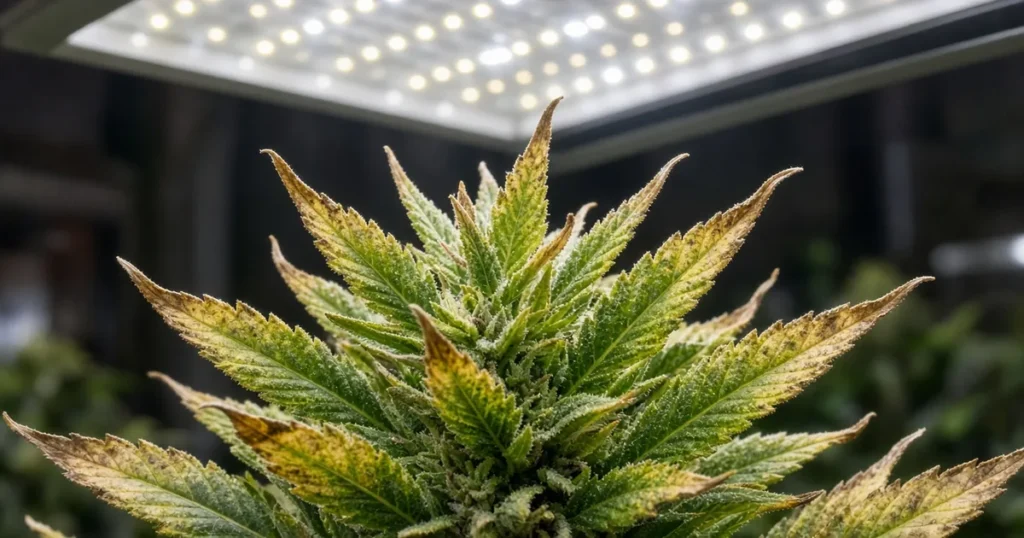
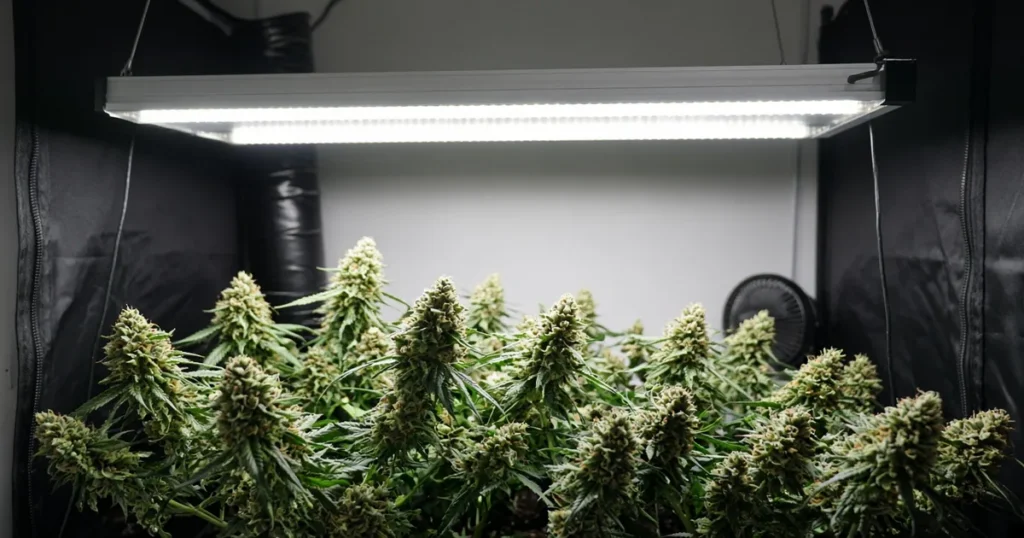
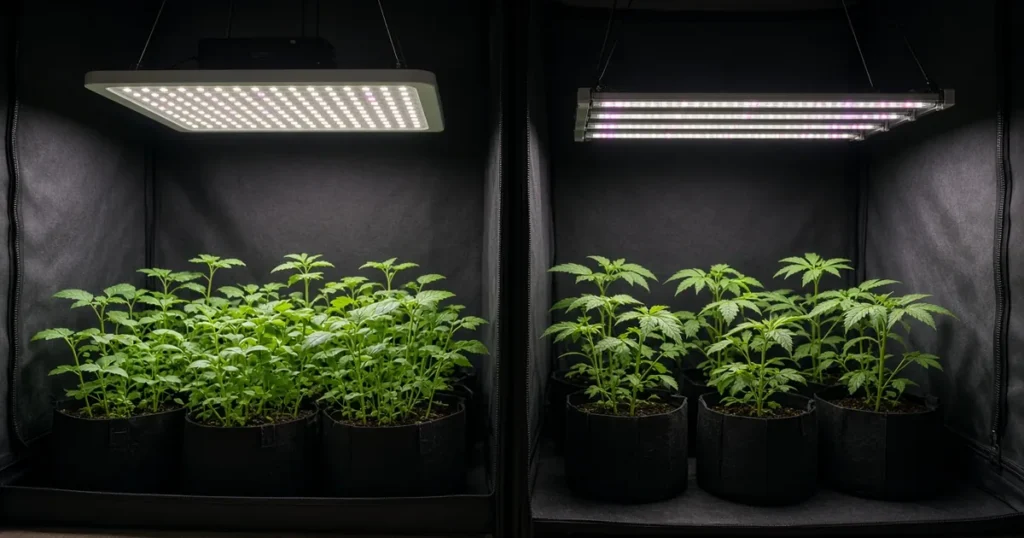
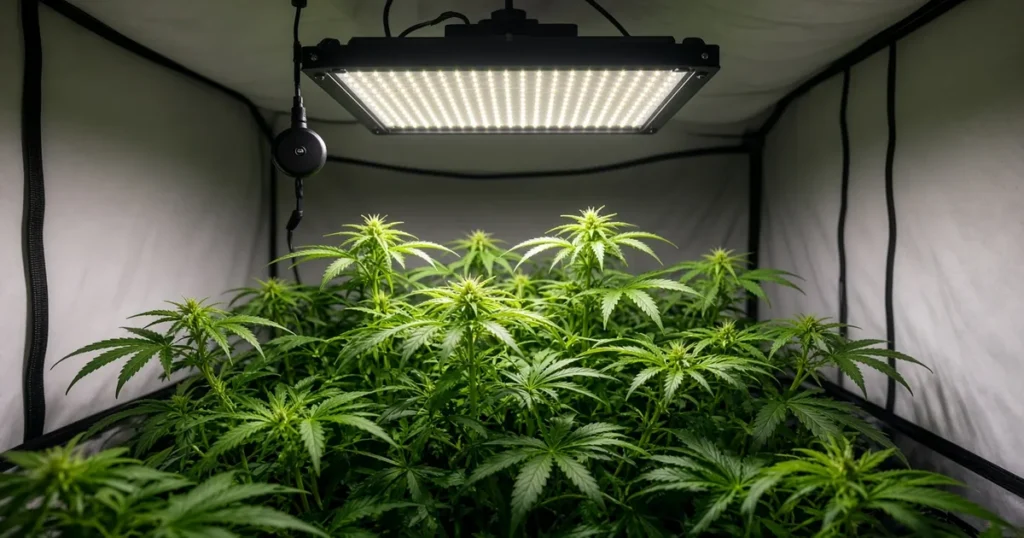
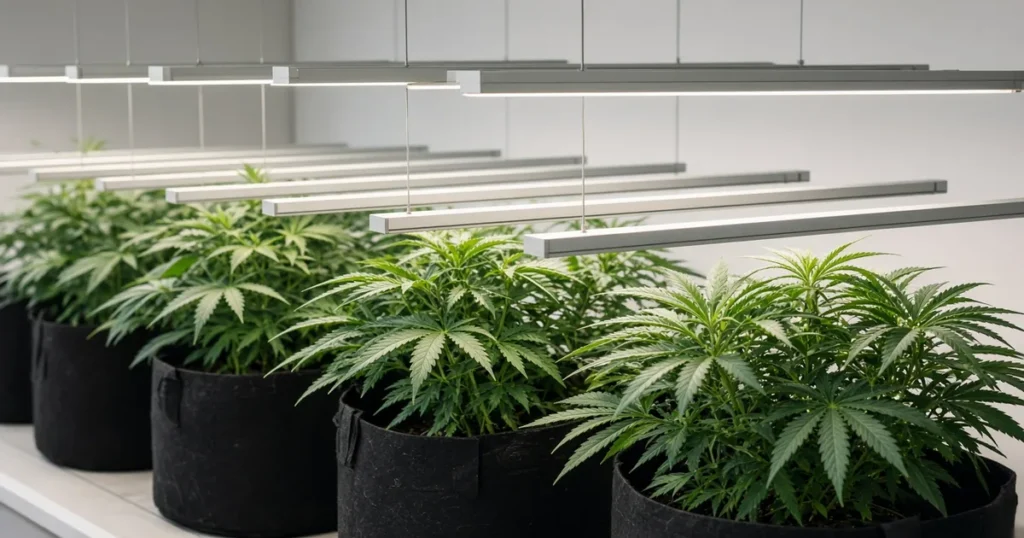
Light burn on cannabis happens when plants get more light than they can use, usually because a fixture hangs too close or runs too bright for the stage of growth. The signs show up first at the top of the plant, closest to the light, and can be mistaken for nutrient problems. This guide explains the signs of light burn on cannabis, how to tell it apart from look alike issues, and how to fix and prevent it. Indoor growers will find matching genetics in our indoor seeds collection. Kind Seed Co sells only to adults 21 and older.
What light burn is
Plants use light to make energy, but only up to a point. Past that point, extra light becomes stress. Strong light, high leaf temperature and low airflow add up, and the leaves and buds closest to the fixture begin to show damage. Modern LEDs are powerful, so light burn is more common than many growers expect, especially after an upgrade.
The main signs of light burn
Yellowing at the top of the plant
The classic sign is yellowing on the top leaves while lower leaves stay green. The yellow usually starts between the veins and can spread. This pattern is the opposite of a common nitrogen deficiency, which starts on lower, older leaves.
Bleached white or pale buds and leaves
Under very strong light, the tops of colas and the leaves right under the fixture can turn pale or white. This is called bleaching. Our detailed post on light bleaching in cannabis covers it in depth.
Leaves curling up or tacoing
Leaf edges that curl upward, forming a taco shape, can be a response to too much light or heat. Plants do this to reduce the surface facing the light.
Crispy or brown tips and spots
Burned leaves may develop crispy edges or brown spots, especially on the leaves that are closest to the light.
Leaves pointing straight up
Some plants lift their leaves sharply under intense light. On its own this is not always a problem, but together with other signs it points to light stress.
Where to look
Light burn follows the light. Check the parts of the canopy that are closest to the fixture and the center of the footprint, where many fixtures are strongest. If only one tall plant or one tall branch shows damage, that is a strong clue.
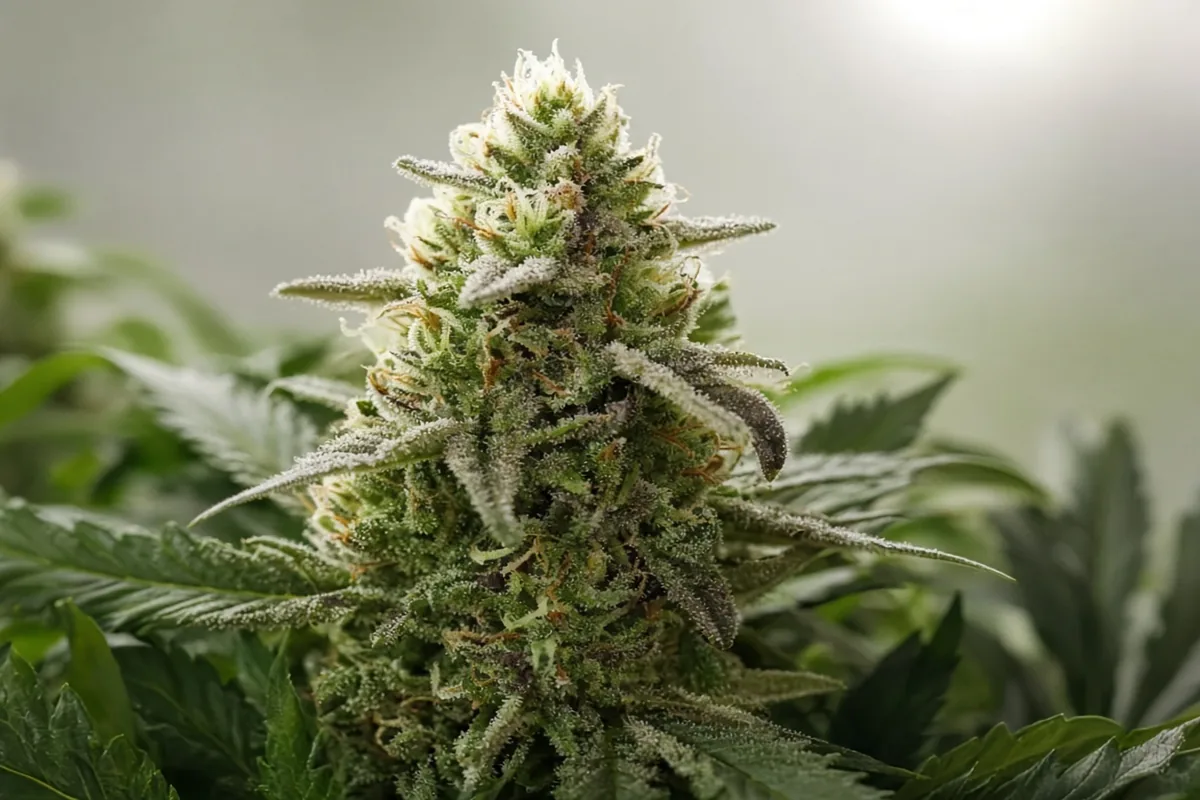
Light burn vs look alike problems
| Problem | Where it starts | Clue |
|---|---|---|
| Light burn | Top leaves closest to the light | Lower leaves look healthy |
| Heat stress | Top of plant, often with curling | Room or leaf temperature is high |
| Nitrogen deficiency | Lower, older leaves | Yellowing moves up from the bottom |
| Nutrient burn | Leaf tips across the plant | Brown, crispy tips, often after feeding |
| pH problems | Varies | Spots and odd patterns across many leaves |
Heat stress and light burn often come together. Our guide to cannabis heat stress explains how to tell them apart. If the yellowing starts low on the plant, light is probably not the cause.
How to fix light burn
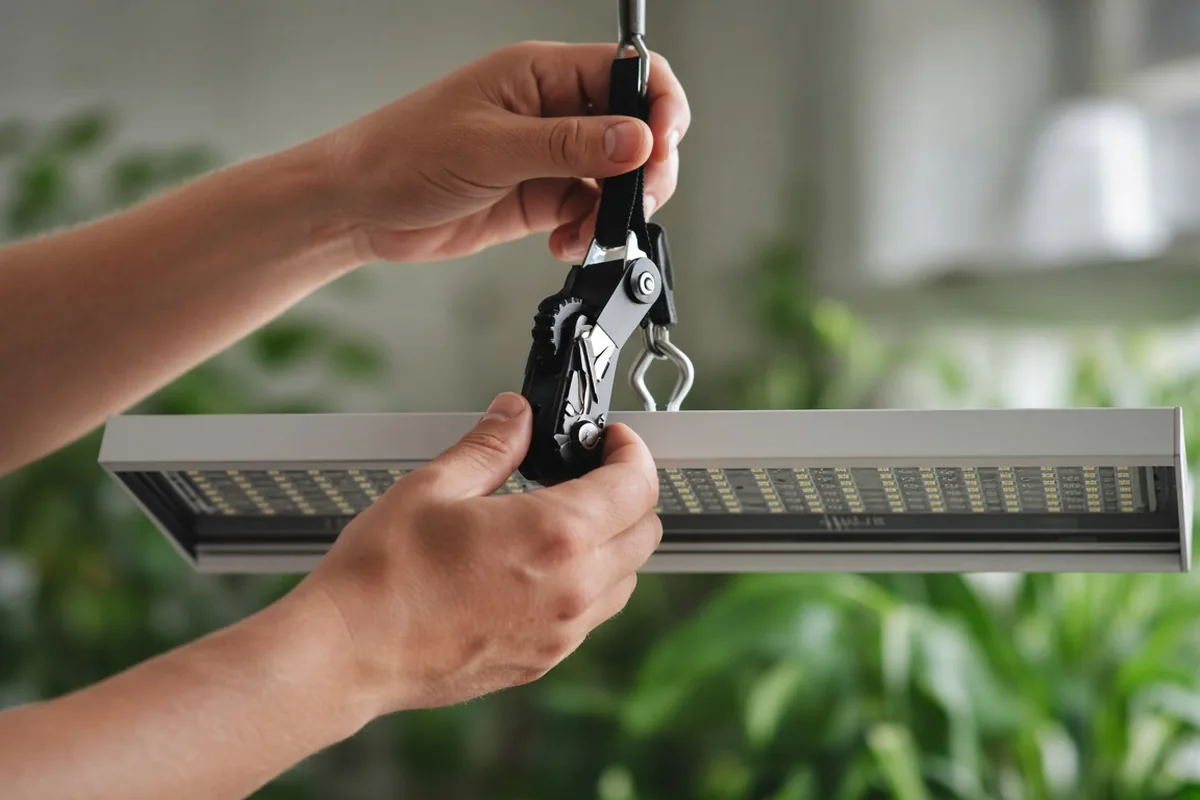
- Raise the light or lower the intensity. Use the fixture’s dimmer or raise it on its hangers. Our guide to LED light distance for cannabis gives general ranges, but the maker’s chart is the best reference for your fixture.
- Bring tall branches down. Bend or tie tall tops so the canopy is even. See low stress training.
- Check temperature. Lower room temperature if the canopy is hot. Our post on grow light heat management helps.
- Improve airflow. Add or adjust an oscillating fan to move air across the canopy.
- Leave damaged leaves for now. Burned leaves will not turn green again, but they can still help the plant. Remove only leaves that are fully dead.
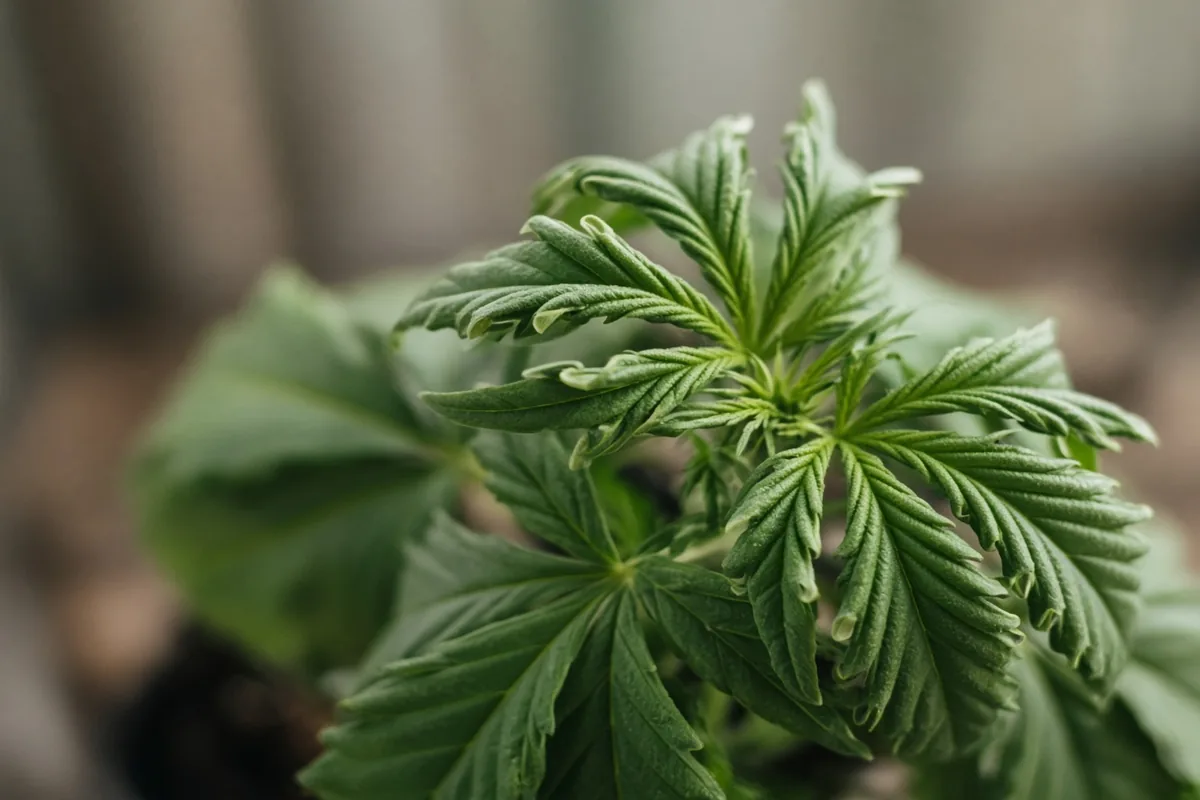
New growth should come in healthy within several days if the cause was light.
How to prevent light burn
- Start new fixtures at a lower setting and increase slowly over a week or two
- Use the manufacturer’s height and intensity guidance as a starting point
- Keep the canopy even so no single top is much closer to the light
- Watch plants daily after any change in light, height or schedule
- Adjust intensity as plants move from seedling to veg to flower. Our cannabis seedling light schedule and when to increase light intensity in flowering guides help you plan
- Plan for stretch in early flower. Plants can grow quickly and close the gap to the light. See how to control and prevent stretching
Is light burn different with LED and HPS?
With HPS, growers usually feel heat on the back of the hand long before light burn happens, so heat stress is the common warning. With LED, the canopy can feel comfortable while the light is still too strong. That is why LED growers often see bleaching without obvious heat. Our comparison of LED vs HPS for cannabis covers the differences.
Seedlings and clones
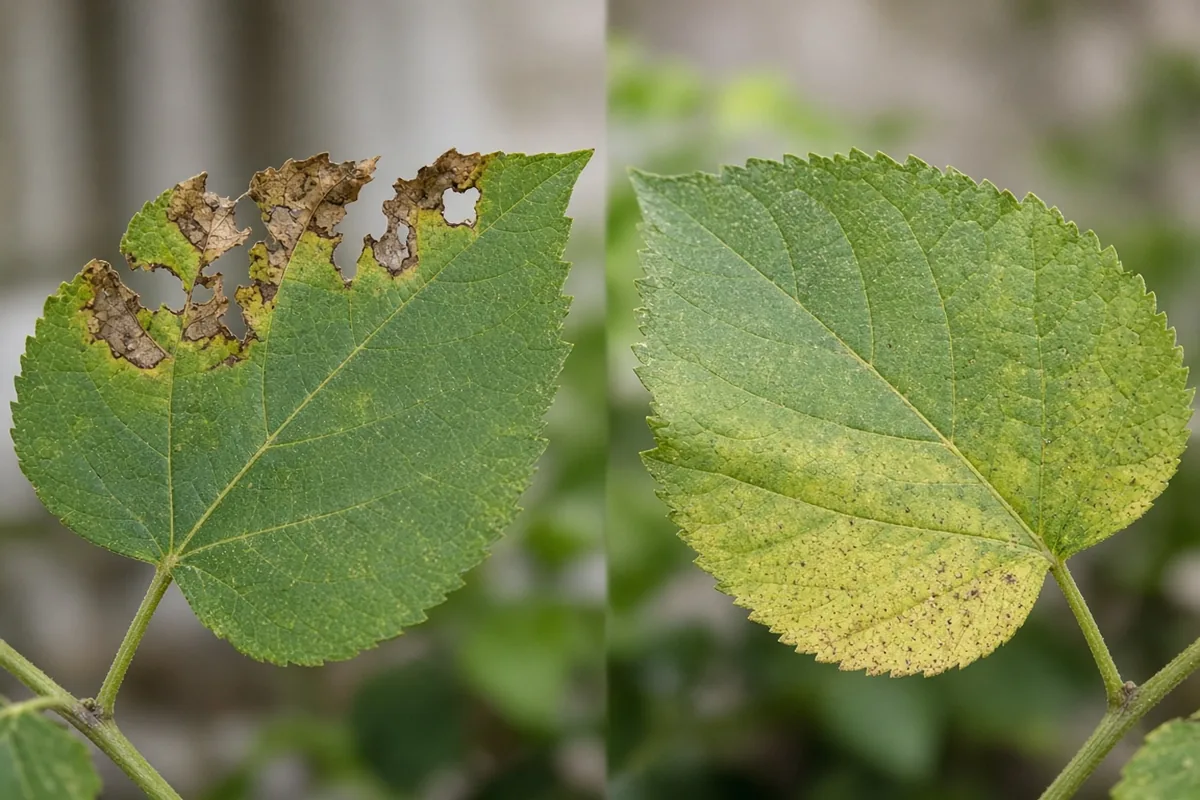
Young plants have small roots and soft leaves, so they are more sensitive to strong light. Run lights at a gentle level for seedlings and clones, then increase gradually. Signs of too much light in seedlings include pale leaves, slow growth and curling.
Autoflowers
Autoflowers grow on a fixed timeline and have less time to recover from stress. Avoid sudden jumps in intensity. Our autoflower seeds page includes strains that suit smaller tents where light distance is limited.
A simple daily check
Make light checks part of your routine. Each day, look at the top leaves for color changes, check the tallest tops against the fixture height, glance at your thermometer and humidity reading and note any changes in a grow journal. Catching early yellowing at the top of the plant gives you time to correct it before buds are affected.
Frequently asked questions
What does light burn look like on cannabis?
Yellowing or bleaching on the top leaves and buds closest to the light, often with curling or crispy edges, while lower leaves stay green.
Can light burned leaves recover?
Burned areas do not turn green again, but the plant can recover and new growth should be healthy once you fix the cause.
How do I know if it is light burn or nutrient burn?
Light burn shows up at the top of the plant under the light. Nutrient burn usually appears as brown tips across many leaves, often after a heavy feeding.
How far should my LED be from my plants?
It depends on the fixture and stage of growth. Start with the maker’s chart and adjust based on how your plants respond.
Do buds get light burn too?
Yes. The tops of colas closest to the light can bleach or turn pale. Raising or dimming the light protects them.
The bottom line
Light burn on cannabis shows up as yellowing, bleaching and curling at the top of the plant, right under the light. Raise or dim your fixture, even out the canopy and control heat, and new growth will recover. Start your next indoor run with our indoor seeds or visit the Kind Seed Co shop. Kind Seed Co sells only to adults 21 and older. Always follow the home grow laws where you live.