LED vs HPS for cannabis in 2027
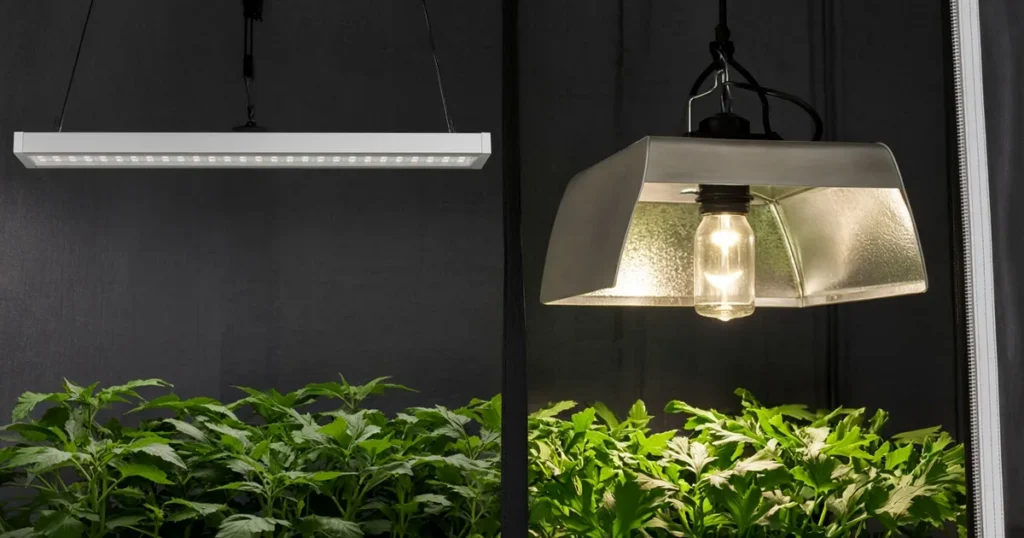
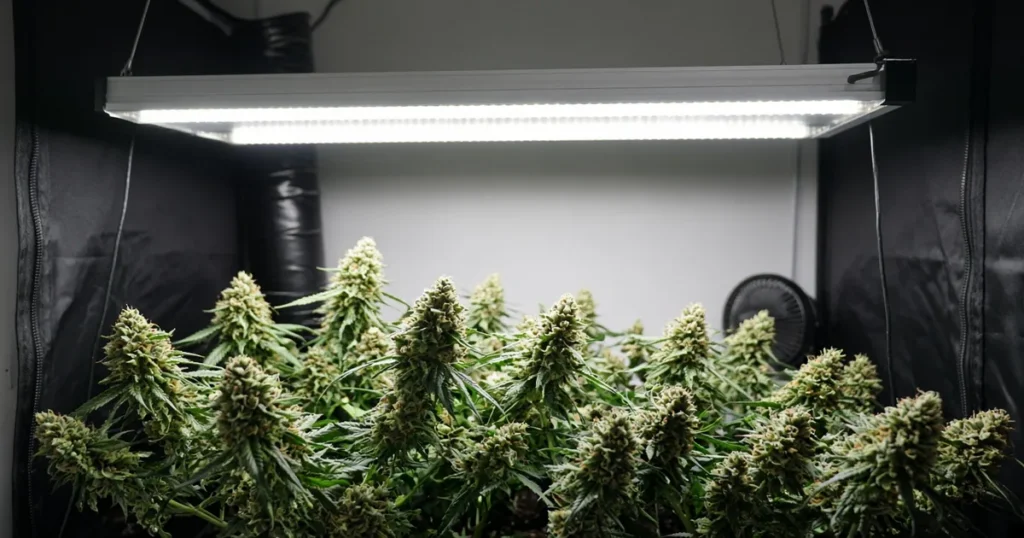
LED vs HPS for cannabis is one of the oldest debates in indoor growing, and in 2027 it is no longer close for most home growers. Modern LED fixtures use less electricity for the same light, run cooler and last longer. High pressure sodium lamps still have fans, especially growers who already own them or who grow in cold rooms where extra heat helps. This guide compares both on light output, heat, cost, plant response and practical setup, so you can choose with confidence. If you are planning an indoor run, start with our indoor seeds collection, which focuses on strains that suit tents and grow rooms. Kind Seed Co sells only to adults 21 and older.
The short answer
For most home grows in a tent or small room, a quality LED fixture is the better choice in 2027. It produces more usable light per watt, adds less heat to the space, and lasts much longer. HPS can still make sense if you already own the gear, grow in a cold space, or want a very low upfront cost and do not mind higher running costs.
How each light works
HPS
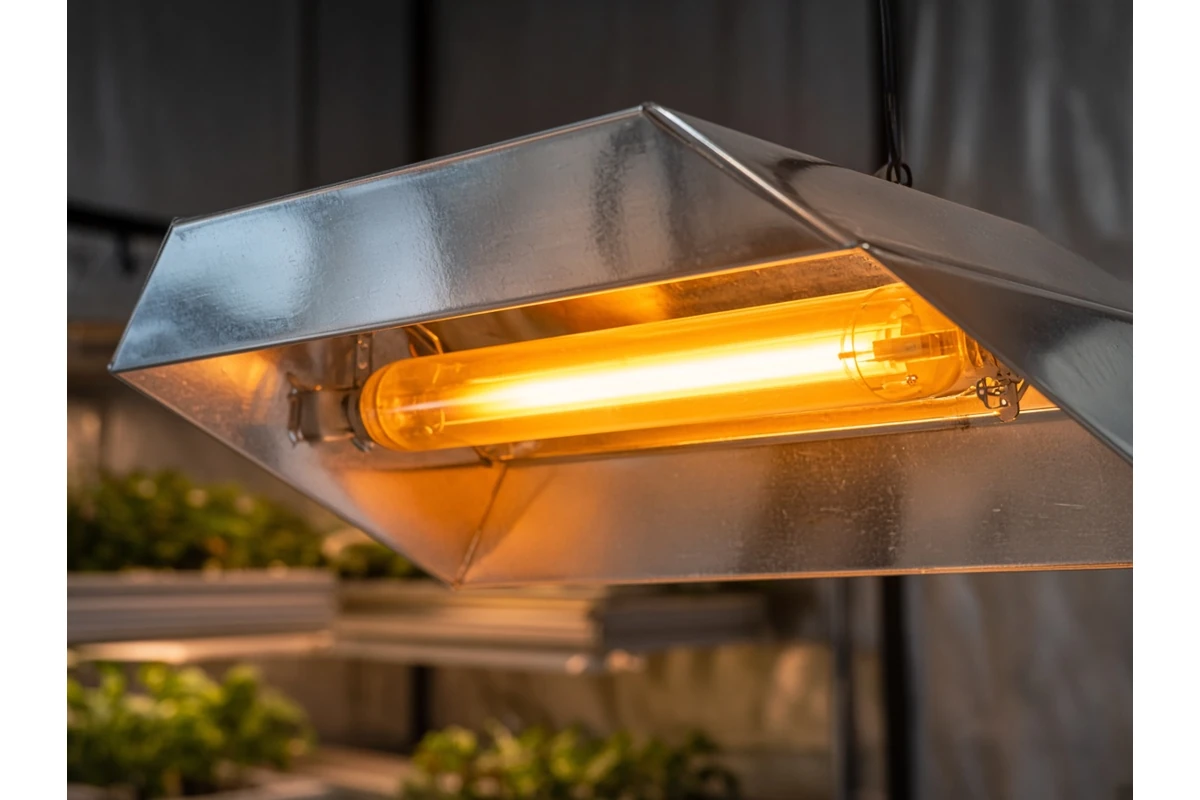
A high pressure sodium lamp makes light by passing electricity through a gas filled arc tube. It needs a ballast and usually sits in a reflector or hood. HPS light is strong in the orange and yellow range. Many growers pair HPS with metal halide lamps for vegetative growth, which produce bluer light.
LED
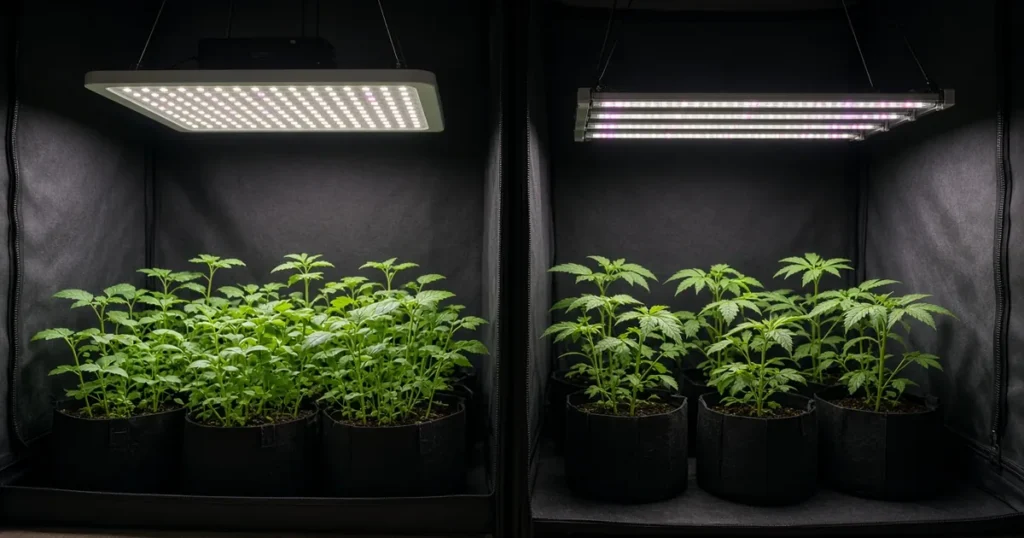
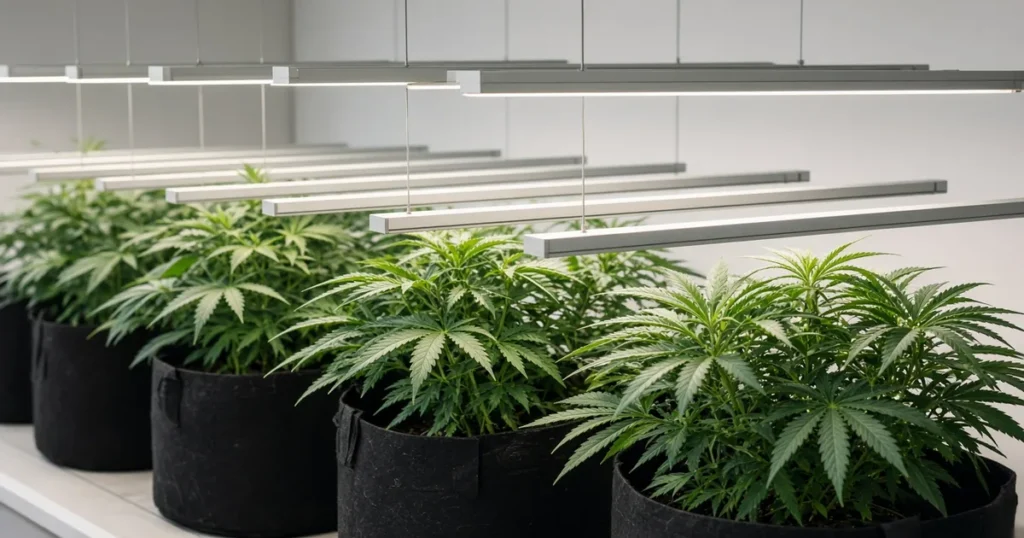
An LED fixture uses many small light emitting diodes mounted on boards or bars, with a driver that controls power. Most cannabis LEDs are full spectrum white, often with extra red diodes. You can find them in board, bar and panel shapes. Our post on quantum board vs bar LED explains the differences.
Side by side comparison
| Factor | LED | HPS |
|---|---|---|
| Light per watt | Higher, often 2.5 to 3 micromoles per joule or more | Lower, roughly 1.7 to 2.1 for double ended lamps |
| Heat in the room | Lower | Higher |
| Upfront cost | Higher | Lower |
| Running cost | Lower | Higher |
| Bulb replacement | Rare, diodes last many years | Bulbs lose output and need regular replacement |
| Spectrum | Full spectrum, often tunable | Strong in orange and yellow |
| Setup | Simple, plug in fixture | Ballast, reflector, often extra cooling |
Light output and efficiency
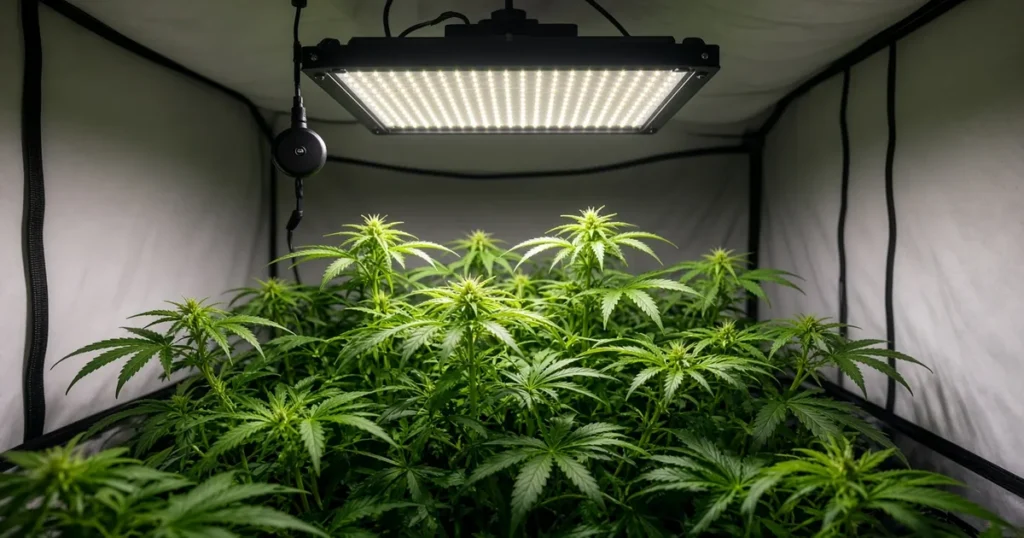
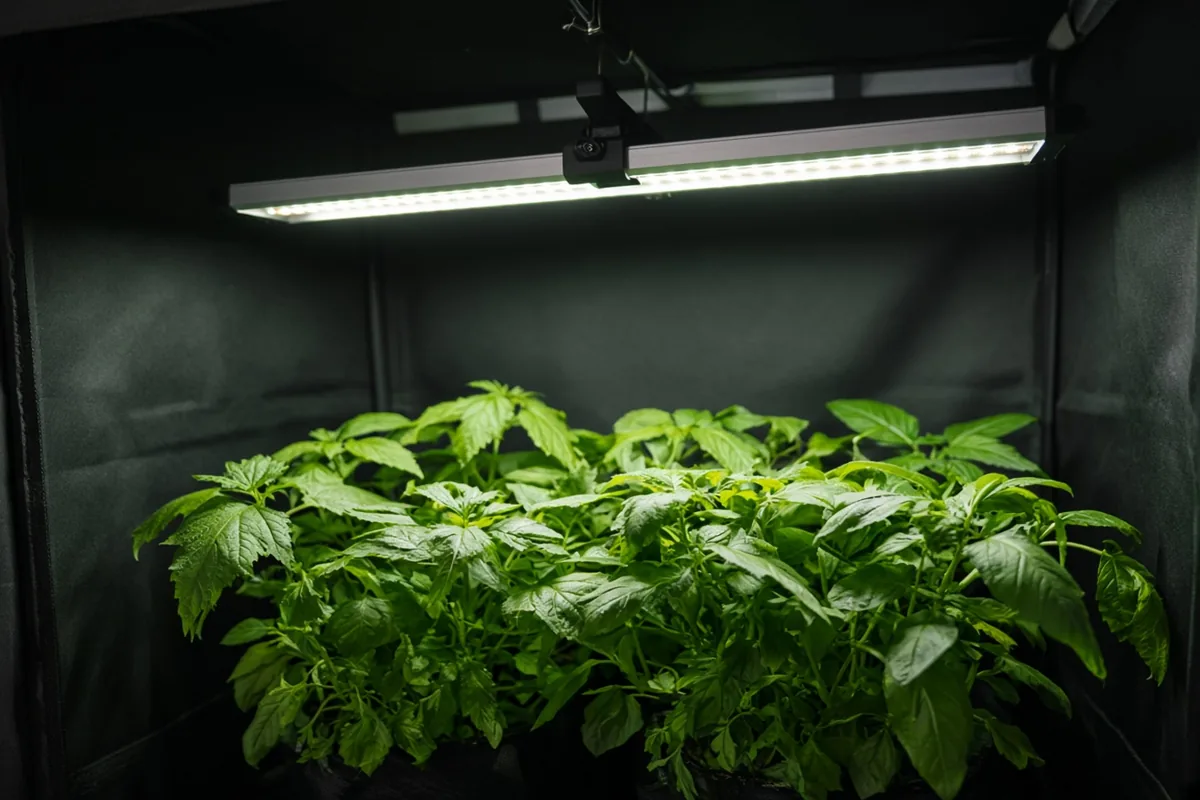
The most useful number for comparing grow lights is efficacy, measured in micromoles of light per joule of electricity. A higher number means more light for each unit of power. Good LED fixtures in 2027 commonly land well above HPS. In practice, a well chosen LED can deliver similar or better light at the canopy while drawing noticeably less power.
What matters to the plant is light at the canopy, not watts. Check the fixture’s light map, hang it at the right height and adjust intensity as plants grow. Our guide to LED light distance for cannabis and when to increase light intensity in flowering can help.
Heat
HPS lamps put out a lot of radiant heat, and the ballast adds more. In a small tent, that can push temperatures too high and force you to run larger fans or an air cooled hood. Our post on air cooled grow light hoods covers that setup.
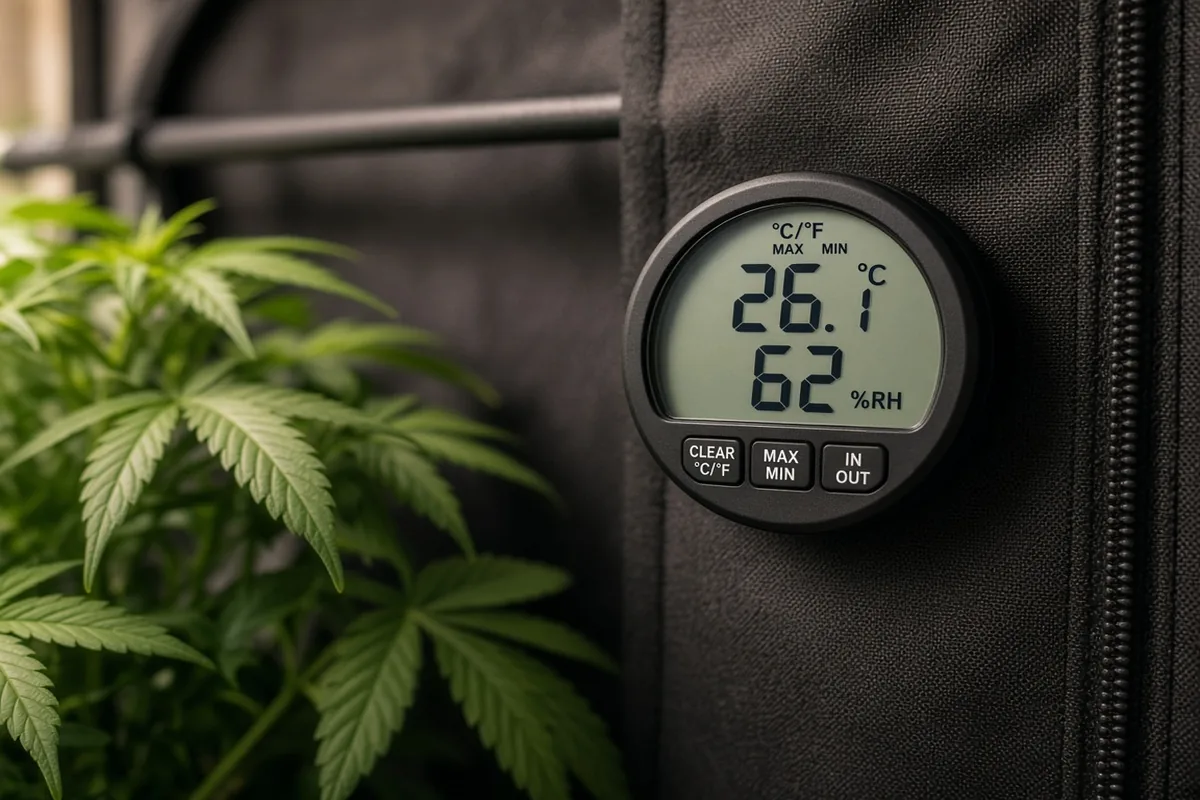
LEDs still create heat, but less of it goes straight into the canopy, and the fixture is spread over a larger area. Most small growers find it easier to keep temperature and humidity in range with LED. See our guide to grow light heat management.
One twist is winter. In a cold garage or basement, extra heat from HPS can be helpful. LED growers in cold rooms may need a small heater. Our guide to heating a grow tent in winter explains options.
Cost over time
HPS kits usually cost less upfront. LED fixtures cost more to buy. The gap narrows over time because LEDs draw less power, often need less cooling and do not need yearly bulb changes. Your actual savings depend on your electricity rate, hours of use and fixture choice. Our grow light electricity cost guide shows how to estimate it.
Plant response
Both lights can grow excellent cannabis. HPS has a long track record, and many classic harvests were grown under it. Modern full spectrum LEDs provide a broader spectrum and give growers more control. With LED, many growers notice plants need slightly different care. Leaves can run cooler, so plants may use water a little more slowly. Some growers raise room temperature slightly to compensate.
High intensity from any light can cause stress if the fixture hangs too close. Watch for signs of light burn and light bleaching.
Stretch and plant shape
HPS light is rich in red and orange and can encourage more stretch, especially early in flowering. Many LEDs include more blue, which tends to keep plants a bit more compact. Training still matters with either light. Our guide on how to control and prevent stretching covers techniques.
Safety and maintenance
HPS bulbs get very hot and can shatter if splashed with water. Ballasts need ventilation. Replace bulbs as they age, because output drops over time. LED fixtures need dust cleaning and a check of cords and drivers. With any light, use proper outlets and avoid overloaded power strips. Our guide to grow tent fire safety is worth a read.
What about other light types?
Ceramic metal halide and induction lights are less common but still used. Our post on induction grow lights covers one alternative. For most home growers, the real choice is LED or HPS.
Which should you choose?
- Choose LED if you grow in a tent or small room, want lower running costs, struggle with heat, or are buying new gear
- Choose HPS if you already own good HPS equipment, grow in a cold space, or need the lowest upfront cost and can manage heat
- Consider a mix if you are upgrading slowly, but plan your heights and timing carefully
Our guide on how to choose the right LED lights for your cannabis grow helps you size a fixture to your space.
Frequently asked questions
Is LED better than HPS for cannabis?
For most home grows in 2027, yes. LEDs give more light per watt, run cooler and last longer. HPS still works well and costs less upfront.
Do LEDs produce the same quality as HPS?
Both can produce excellent harvests. Results depend more on genetics, environment and care than on light type alone.
Do I need to change my watering with LED?
Many growers find plants under LED use water a bit more slowly. Check soil moisture rather than watering on a fixed schedule.
How often should I replace an HPS bulb?
Many growers replace HPS bulbs every few runs, since output fades over time. Follow the bulb maker’s guidance.
The bottom line
LED wins the LED vs HPS for cannabis debate for most home growers in 2027, with lower running costs and easier heat control. HPS remains a solid, cheap option if you already own it or need heat. Pair the right light with strong genetics from our indoor seeds collection or browse the Kind Seed Co shop. Kind Seed Co sells only to adults 21 and older. Always follow the home grow laws where you live.