
What Is a Buttress Root? Wide Flared Roots at a Trunk Base
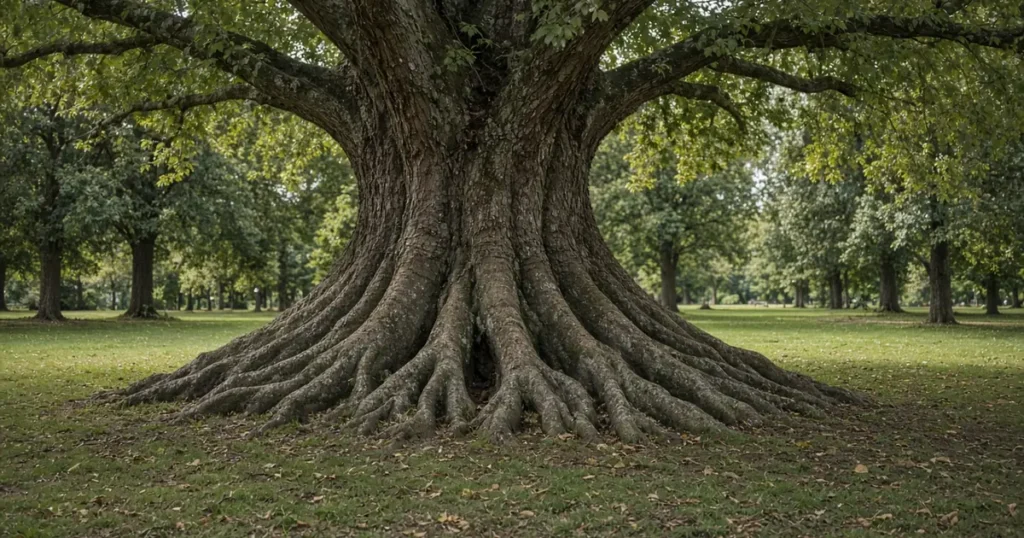
A buttress root is a wide, flared root that grows out from the base of a trunk like a support wall. NC State Extension notes old baldcypress trees develop a wide, spreading base that narrows up the trunk, with diameters as thick as 3 to 6 feet.
The short answer
A buttress root is a wide flare where a trunk spreads into its roots near the soil. NC State Extension notes roots anchor a plant plus give physical support to the stem. Baldcypress, a wet site tree, develops a wide, spreading base with age. Look for wall like flares at the trunk base.
Why do some trees have buttress roots?
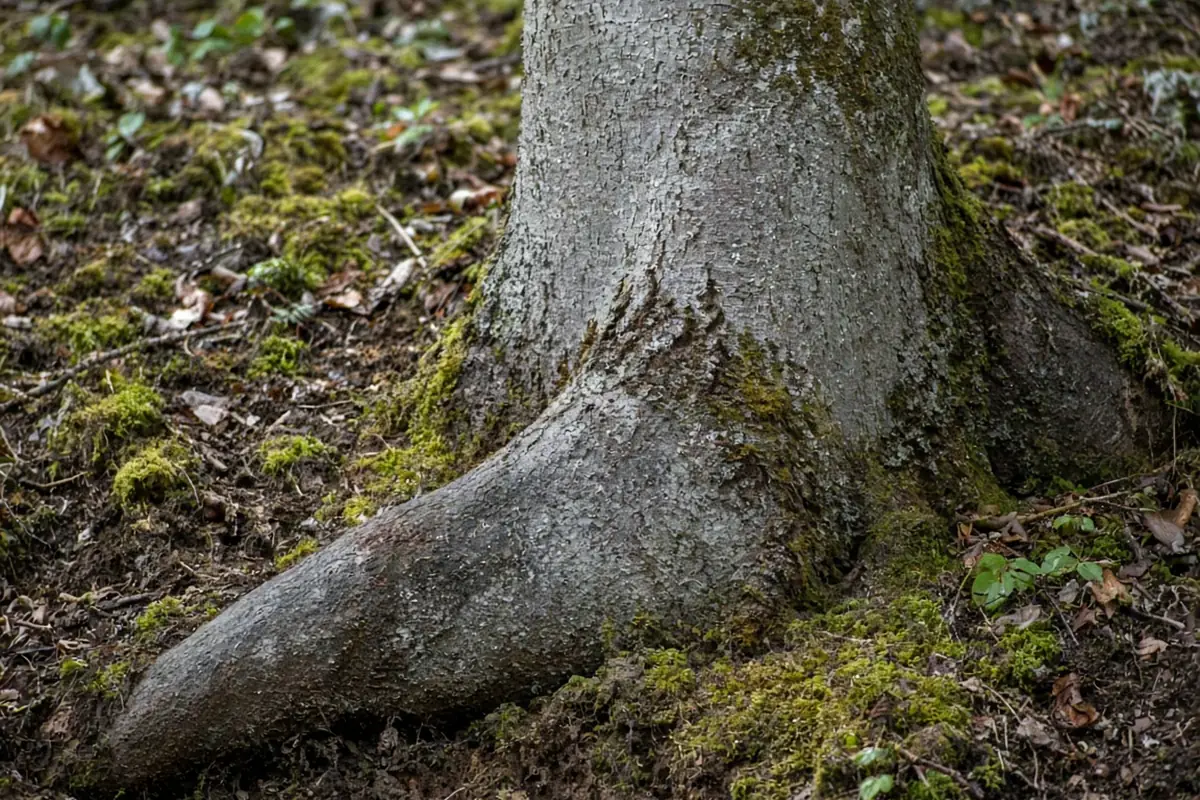
NC State notes roots anchor the plant in the soil plus support the stem. Baldcypress grows in swamps, bayous plus rivers, plus old trees develop a wide, spreading base.
| Root type | What it does | Source |
|---|---|---|
| Buttress like base | Wide base on old baldcypress | NC State |
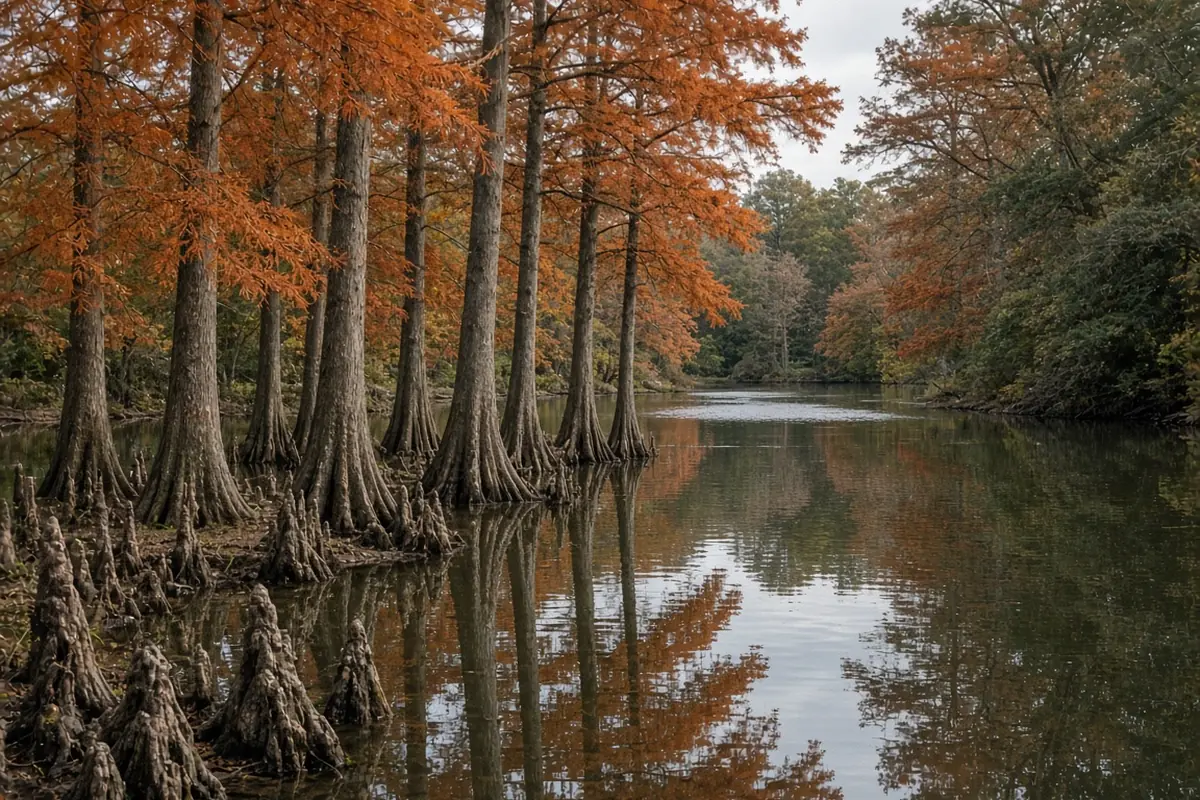
| Cypress knees | Believed to bring oxygen to roots in mud | NC State |
| Prop roots | Help support palm trees | NC State |
| Aerial roots | Help climbers attach | NC State |
Is a root flare the same as a buttress?
They are linked. A root flare is the gentle widening where a trunk meets its roots. A buttress is a bigger, wall like flare. NC State notes old baldcypress has a widened base with age, while young trees have a pyramidal habit.
How should buttress roots be spared from harm?
Give the base space. Avoid piling soil on it. University of Wisconsin Extension notes most organic mulches go about 3 inches deep, so spread a thin layer around the tree rather than a mound against the flare.
How to: step by step
- Study the base of a large tree.
- Note where the trunk widens into the roots.
- Check whether flares run out like walls.
- Compare trees on wet plus dry soil.
- Mow well clear of the flare.
- Avoid piling soil or mulch on the base.
Troubleshooting
Wide wall like flares: these are buttress roots.
Gentle widening at soil level: this is a normal root flare.
Trunk goes straight into the soil: the base may be buried. Pull soil back.
For more on roots plus trees see cannabis root hairs, growing cannabis near trees plus cannabis leaf anatomy. Kind Seed Co also stocks cannabis seeds.
Sources
- Taxodium distichum (baldcypress), NC State Extension Gardener Plant Toolbox
- Extension Gardener Handbook, chapter 3: botany, NC State Extension
- Mulches for home gardens and plantings, University of Wisconsin Extension Horticulture
FAQ
What are cypress knees?
NC State Extension notes baldcypress roots develop knobby, conical knees that usually form when the tree grows near or in water. The knees are believed to help bring oxygen down to the roots in oxygen poor mud. They are a separate feature from the wide, spreading base of an old baldcypress.
Are prop roots the same as buttress roots?
No. NC State Extension notes palm trees have prop roots that help support the plant, along with leaves packed tightly around the stem. Prop roots grow out from the stem toward the soil, while a buttress is a wide flare where the trunk itself spreads into its main roots.
How big can a baldcypress base get?
NC State Extension notes old baldcypress trees develop a wide, spreading base that narrows up the trunk, with diameters as thick as 3 to 6 feet. The tree grows 50 to 70 feet tall plus 20 to 30 feet wide, so leave plenty of room around its base.
How deep should mulch go near a tree base?
University of Wisconsin Extension notes most organic mulches go about 3 inches deep over the soil. Spread mulch in a thin, even layer across the root zone rather than piling it against the trunk. That leaves the root flare visible so you can see the base plus spot problems early.
Do buttress roots form in wet soil?
NC State Extension notes baldcypress grows in swamps, bayous plus rivers plus tolerates flooded conditions for long periods. Old trees in these sites develop a wide, spreading base. Compare a tree in wet ground with one on a dry slope to see how the base differs.



