
What Is a Funiculus? The Tiny Stalk That Attaches a Seed to the Fruit
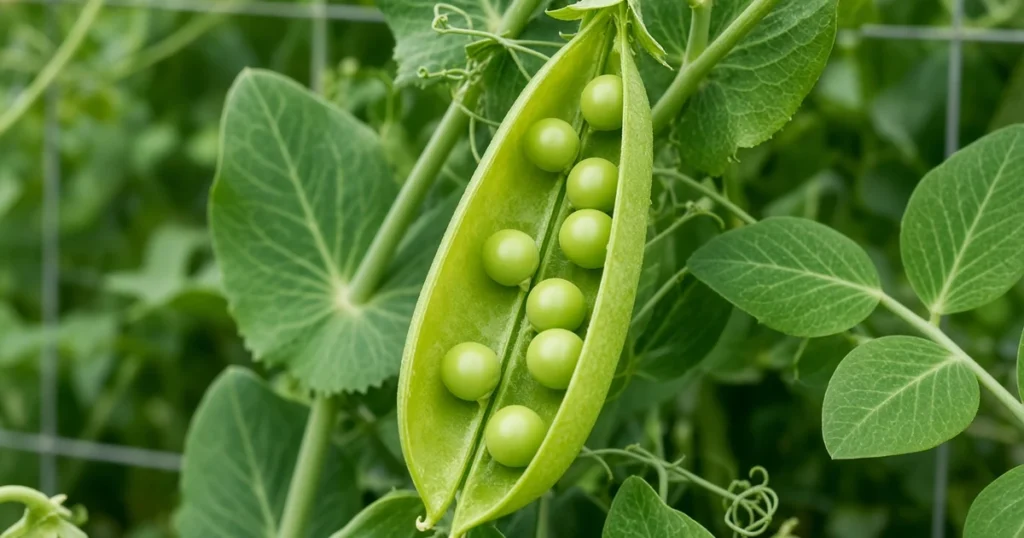
A funiculus is the small stalk that ties a developing seed to the inside of its fruit. UF IFAS plant propagation notes say the funiculus links the seed to the mother plant and carries food and water into it while it grows. Botanists also call it a funicle.
The short answer
A funiculus is a seed’s umbilical cord. UF IFAS says it attaches the developing seed to the mother plant and moves food and water in. At maturity it breaks, leaving a scar called the hilum. Open a fresh bean or pea pod to see one on each seed.
What does the funiculus do?
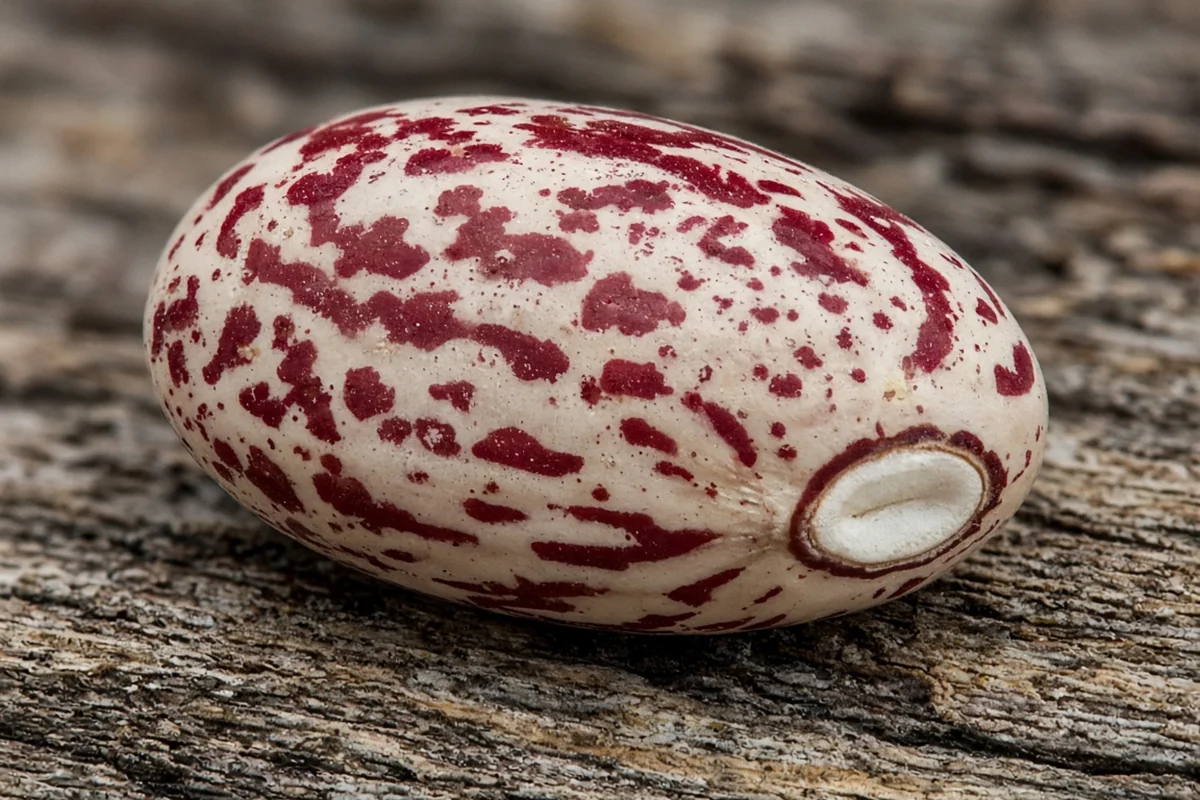
An ovule needs steady supply while it turns into a seed. UF IFAS says the funiculus carries food and water from the fruit wall into the seed. The Missouri Botanical Garden glossary defines the funicle as the stalk of an ovule. Once the seed is full and dry, the funiculus breaks and the seed is free.
Where can I see a funiculus?
Snap open a green bean or pea pod. Each seed hangs from a short pale thread, the funiculus, along the seam. Iowa State notes beans and peas are easy to grow, so a summer pod gives a ready look.
| Term | Meaning | Source |
|---|---|---|
| Funiculus (funicle) | Stalk joining ovule or seed to the fruit | UF IFAS, Missouri Botanical Garden |
| Hilum | Scar where the funiculus was attached | UF IFAS, Missouri Botanical Garden |
| Ovule | Structure that becomes a seed | NC State |
What is the hilum?
The hilum is the scar on the seed coat. The Missouri Botanical Garden glossary calls it the scar where the seed attached to its funicle. On a black eyed pea the dark eye is the hilum. NC State and Colorado State GardenNotes describe the seed coat and embryo beneath it. Learn more seed parts in cannabis seed anatomy.
Funiculus and pollination
An ovule becomes a seed only once it’s fertilized. The University of Tennessee Master Gardener botany chapter covers how pollen reaches the ovule. Pollinators matter here, as what roles do bees play in outdoor cannabis explains. Hormones then shift resources into the growing seed, a topic in cannabis plant hormones.
Why it matters to gardeners
Leaf veins move water and sugar through the plant toward the fruit, as cannabis leaf anatomy shows. The funiculus is the last short link in that chain for each seed, a theme the Kind Seed Co blog returns to often.
Sources
- Seeds, funiculus, Plant Propagation, UF IFAS
- Glossary A to H, Angiosperm Phylogeny Website, Missouri Botanical Garden
- Extension Gardener Handbook, chapter 3: botany, NC State Extension
- Botany (CMG GardenNotes 120), Colorado State University Extension
- Chapter 3: basic botany, plant physiology, and plant classification, University of Tennessee Master Gardener Program
- All about beans, Iowa State University Extension, Yard and Garden
FAQ
What is the funiculus of a seed?
UF IFAS describes it as the tissue that attaches the developing seed to the mother plant and carries food and water.
Is a funicle the same as a funiculus?
Yes. The Missouri Botanical Garden glossary uses funicle for the stalk of an ovule.
What is the scar left by the funiculus?
It is the hilum. UF IFAS says the funiculus is severed at maturity and leaves this scar.
Where can I see a funiculus?
Open a fresh bean or pea pod. Each seed hangs from a small stalk along the pod seam.
Is the eye of a black eyed pea the hilum?
Yes. The Missouri Botanical Garden glossary defines the hilum as the scar where the seed was attached to its funicle.



