
Growing Hydroponic Tokyo Bekana: Frilly Mild Greens in Rafts
The short answer
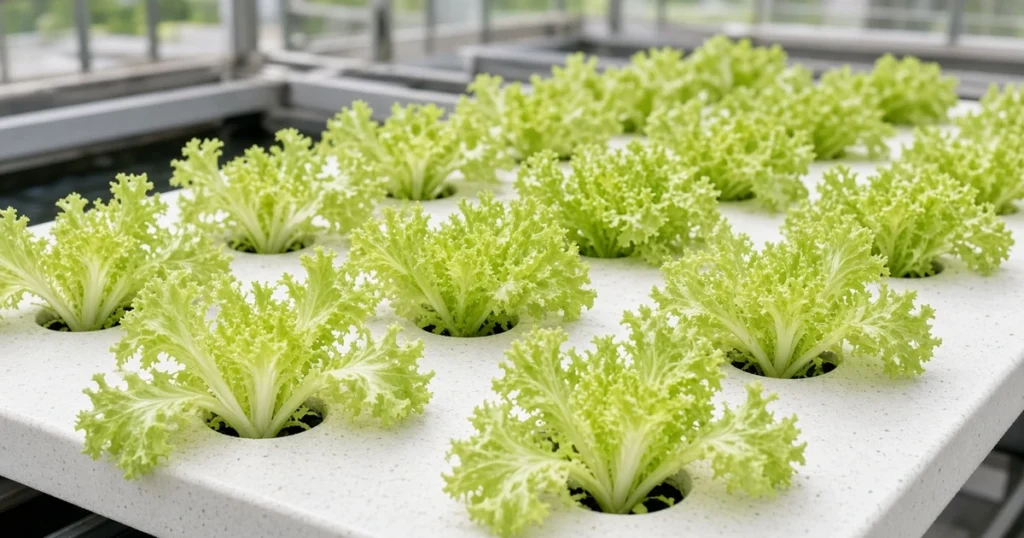
Hydroponic Tokyo bekana is a frilly, mild Chinese cabbage, kin to bok choy, that suits a simple raft. Purdue research chose it as the most suitable cultivar for the space station Veggie unit. Grow it cool, around the 64 to 68 degree range UF/IFAS gives for bok choy, and pick leaves young or cut whole heads.
What is Tokyo bekana?
Tokyo bekana is a cultivar of Brassica rapa, the same species as bok choy and pak choi. NC State Extension places this group in the mustard family and notes that most kinds grow as a loose head of leaves on a pale stalk. The plants are cool season vegetables with a rapid growth rate.
A Purdue University dissertation reports that early screening chose Tokyo bekana as the most suitable cultivar for the Veggie growing unit on the International Space Station. It won on its growing, eating and nutrition traits. The same work found the plants struggled under very high carbon dioxide, so room air suits it better than a sealed box.
How do you grow Tokyo bekana in rafts?
A raft is a form of deep water culture. University of Minnesota Extension describes plants held in net pots in a foam lid, with roots hanging into a tank of nutrient water. It calls this the simplest, cheapest home system to build and expand. A bucket or storage bin works as the tank.
Air matters. In a passive system the air gap above the water supplies oxygen, so Minnesota advises leaving roots only one third to one half submerged once they grow past the net pot. An air pump and airstone push oxygen into the water when plants of different sizes share a tank. For more on upkeep, read caring for your hydroponic system.
Temperature matters too. UF/IFAS Extension says bok choy grows well at 64 to 68 degrees Fahrenheit and tolerates a range from 27 to 95 degrees. Minnesota warns that lit setups run warm. See creating a good environment for your hydro setup for room climate ideas.
When do you harvest Tokyo bekana?
| Harvest | Size | Notes |
|---|---|---|
| Single leaves | Outer leaves first | Plant grows on |
| Whole head | 10 to 15 leaves | Later picks turn a little bitter |
| Bolting head | Before flowers open | Use as normal |
Sources: NC State Extension, UF/IFAS Extension.
UF/IFAS says bok choy is usually ready 40 to 50 days after seeding, and that heads with more than 15 leaves taste a little bitter. NC State says you can pick at any stage, one leaf at a time or the whole head, and suggests taking the largest outer leaves first. Fresh heads last one to two days on the counter and five or more in the fridge.
How to: step by step
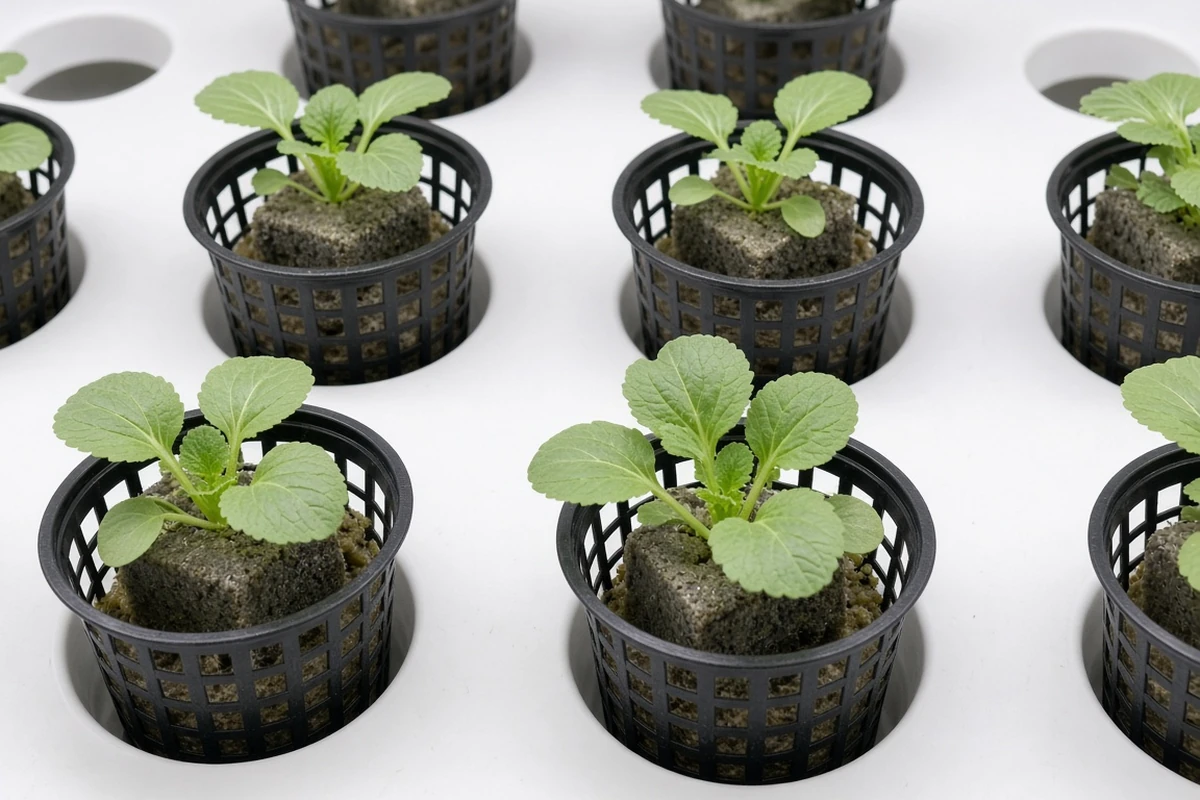
- Sow seed in plugs or net pots with a substrate such as rockwool.
- Set the pots in the raft so the base touches the nutrient water.
- Space plants by the seed packet, as Minnesota advises, to avoid crowding.
- Let the water level drop so only part of the roots stay wet, or add an airstone.
- Give the plants a cool room and light.
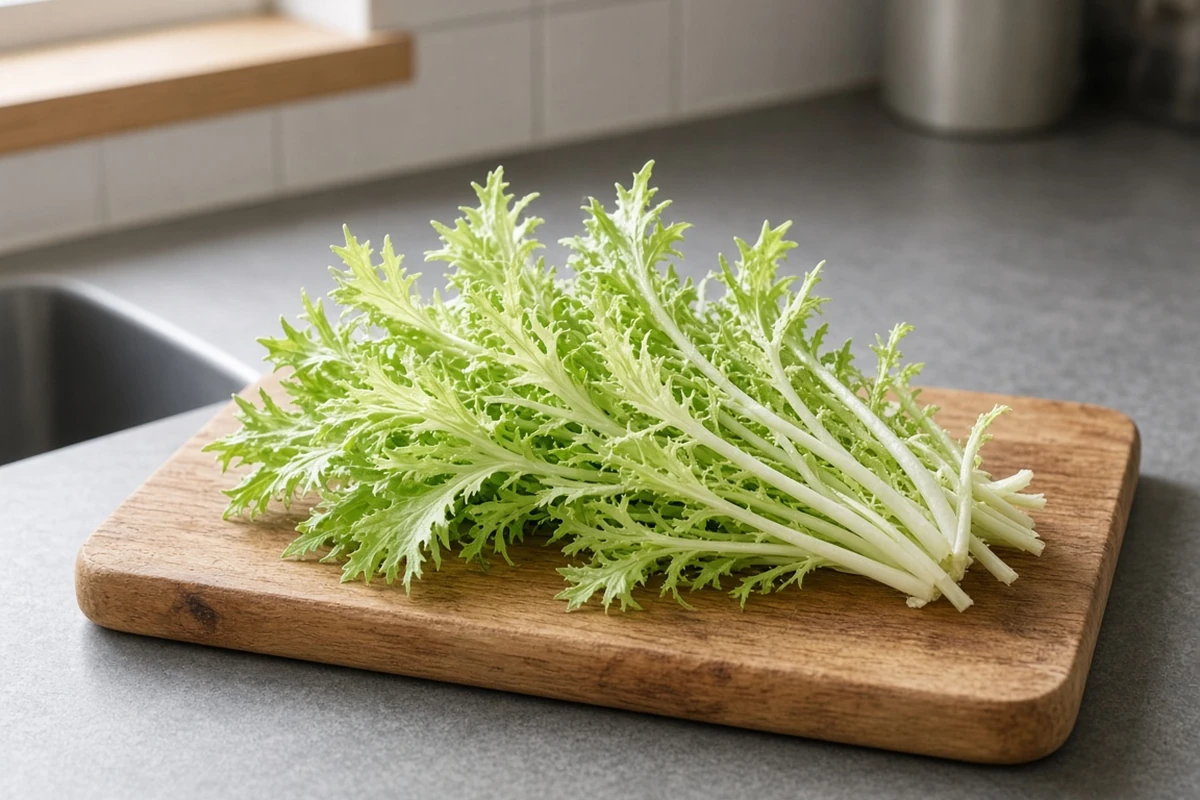
- Pick outer leaves or cut heads at 10 to 15 leaves.
- Clean the tank and start new seed on a staggered schedule.
Troubleshooting
Bolting: heat and age push flowering. Lower the room temperature and harvest on time. NC State says a bolting head can still be cut before the flowers open.
Bitter leaves: it was left too long. UF/IFAS links bitterness to heads with more than 15 leaves.
Slow, pale growth: NC State notes pak choi grows slower in less light. Add light or move the raft to a brighter spot.
Algae in the tank: Minnesota says warm water can feed algae. Cool the system and clean it between crops.
Grow greens all year
Hydroponic Tokyo bekana gives quick, mild greens from one simple tank. For more ways to set up a room, browse indoor marijuana grow systems on the Kind Seed Co blog.
Sources
- Physiological and growth characteristics of Brassica rapa ‘Tokyo Bekana’ (dissertation), Purdue University ePubs
- Brassica rapa Chinensis Group (bok choy and relatives), NC State Extension Gardener Plant Toolbox
- Bok choy, an Asian leafy green vegetable emerging in Florida (HS1337), UF/IFAS Extension
- Small scale hydroponics, University of Minnesota Extension
FAQ
Is Tokyo bekana a cabbage?
Yes. Purdue research describes Tokyo bekana as a Chinese cabbage cultivar of Brassica rapa. NC State Extension groups it with bok choy and pak choi in the mustard family, plants that grow as a loose head of leaves on pale stalks.
How fast does Tokyo bekana grow?
NC State Extension lists the growth rate for this group as rapid. UF/IFAS Extension says bok choy can be harvested 40 to 50 days after seeding, and young leaves can be picked sooner if you want small greens.
Can you harvest Tokyo bekana more than once?
Yes. NC State Extension says you can pick one leaf at a time for a continuous harvest, taking the largest outer leaves first. UF/IFAS Extension notes home gardeners often cut plants that reach the 10 to 15 leaf stage and let smaller ones grow on.
What temperature suits Tokyo bekana?
UF/IFAS Extension says bok choy grows well at 64 to 68 degrees Fahrenheit and tolerates 27 to 95 degrees. University of Minnesota Extension warns that hydroponic setups with lights tend to run warm, so watch the room.
Does a raft need an air pump?
Not always. University of Minnesota Extension says a passive system gets oxygen from the air gap above the water, as long as roots stay only one third to one half submerged. An airstone helps when plants of different sizes share one tank.



