
Shade Cloth For Cannabis: Percentage, Setup And Timing

Quick answer: Shade cloth for cannabis is a short term tool for the hottest weeks of summer, not a permanent roof. Vegetable research points to light shade, with 20 to 30 percent the common range and 30 percent black cloth giving good results for peppers and tomatoes. Hang it on hoops or a frame above the plants, keep the sides open for airflow and take it down when the heat breaks.
When Does Cannabis Need Shade Cloth?
Cannabis is a full sun plant, so shade cloth earns its place only during stretches of extreme heat. University of Delaware Extension says artificial shading is a way to reduce heat stress and is applied during the hottest periods, or when the plant is most sensitive. University of Maryland Extension notes that consistently high temperatures, high humidity and drought together put great stress on plants.
K-State Research and Extension reminds gardeners that shaded plants are still full sun plants that ideally need 6 or more hours of direct sunlight a day. That rule can be bent during summer heat, but not all season. For signs that heat is already hurting your plants, see our guide to cannabis heat stress, and for how much light cannabis uses through the year, read understanding sunlight with your cannabis plants.
What Shade Percentage to Use
The percentage is the share of sunlight the cloth blocks. A 30 percent cloth lets about 70 percent of the light through. K-State says shade cloth typically ranges from 20 to 70 percent.
| Shade level | What the research says | Source |
|---|---|---|
| 20 to 30 percent | The most common range for heat stress shading in vegetable crops | University of Delaware |
| 30 percent black | More marketable tomato and pepper fruit over a 5 year study, and more marketable peppers in a 2019 trial | University of Maryland, University of Delaware |
| 30 to 50 percent | Ideal for cool season vegetables carried through summer, not a cannabis figure | K-State |
| Up to 70 percent | The top of the range sold, close to a full shield from the sun | K-State |
Keep in mind that these are vegetable trials, not cannabis trials. For a sun loving plant like cannabis, start near 30 percent and only go heavier if the heat is severe.
Black or White Shade Cloth
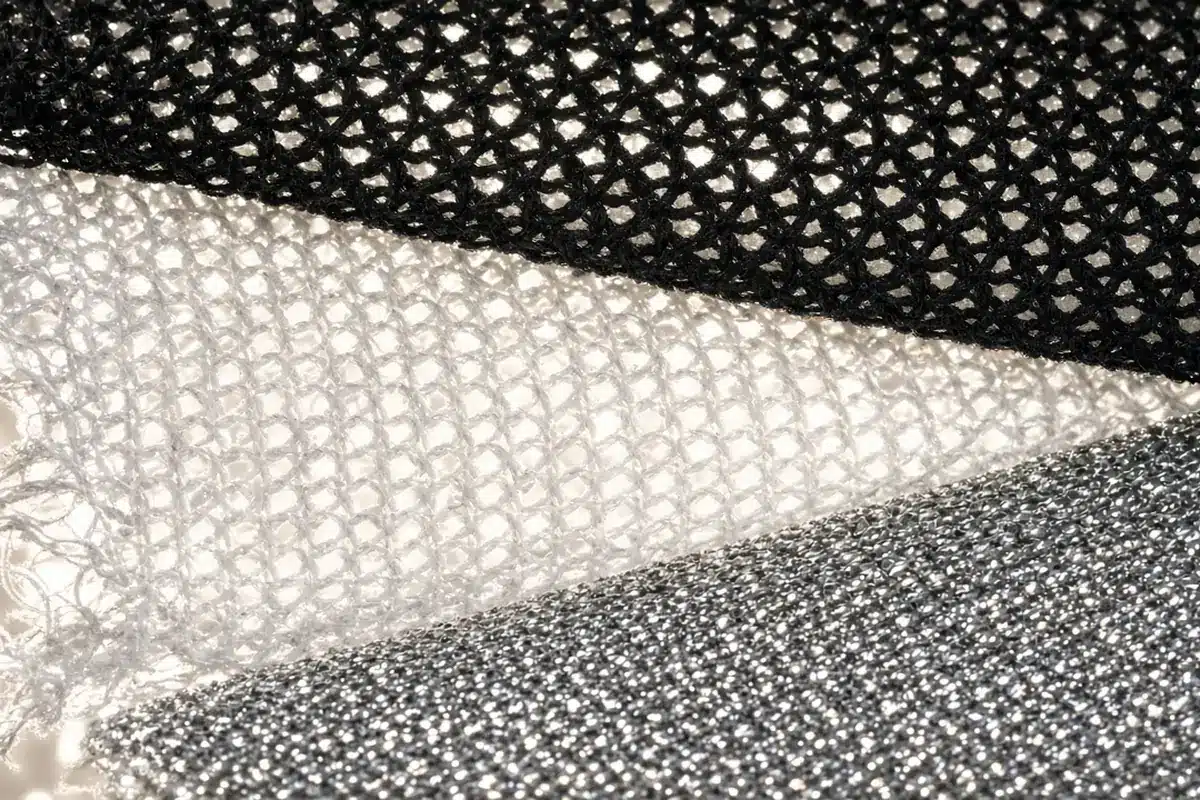
University of Delaware says shade netting comes in black, green, white and reflective aluminum colors. In its 2018 and 2019 tomato and pepper trials, which tested black, aluminized, red and white cloth, 30 percent black gave the best pepper results in 2019. In 2018, shade had no significant effect on pepper yield. The same page notes that Kansas research found lettuce production improved under white shade cloth.
So there is no single best color. In vegetable trials it depended on the crop and the year. Black 30 percent cloth is the best studied option for warm season fruiting crops.
How to Hang Shade Cloth Over Outdoor Cannabis
- Pick the cloth. Start with a light cloth around 30 percent, based on the vegetable trials above.
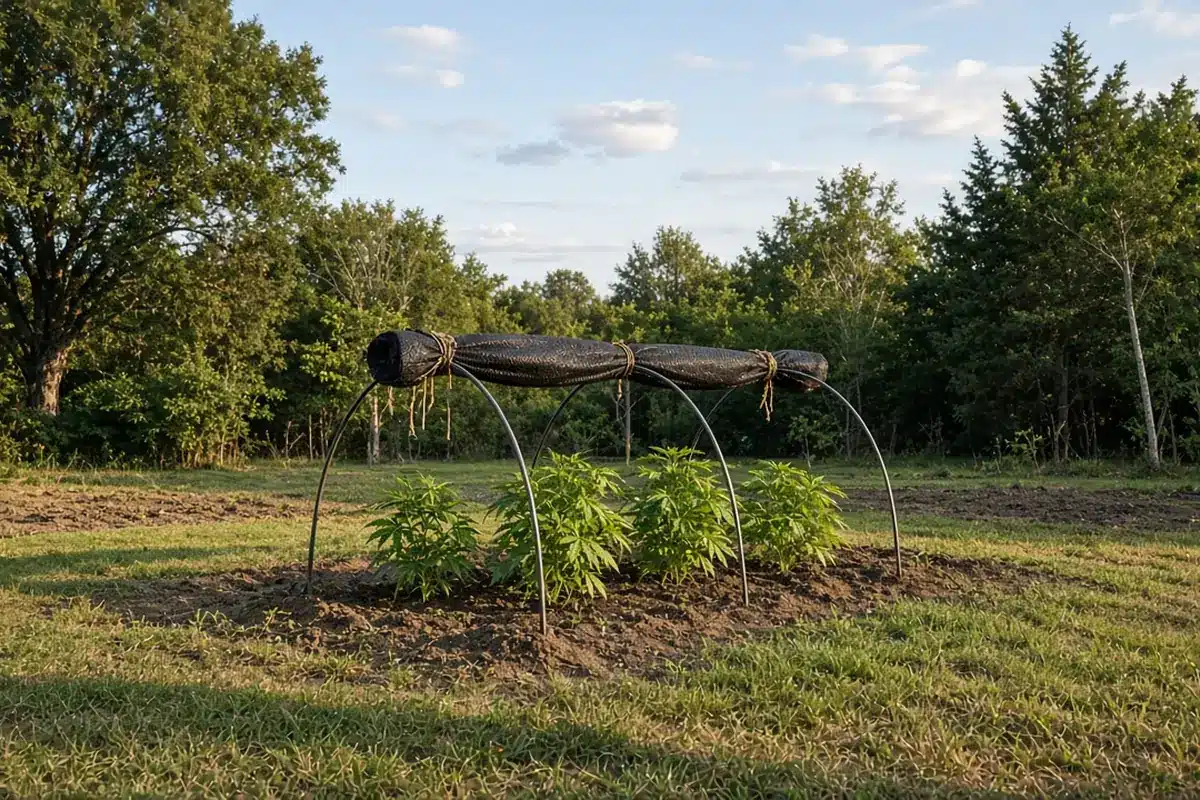
- Build a support. K-State says the cloth cannot simply lie on top of plants, since that can break limbs or smother them. Low tunnel hoops are ideal for short plants. Taller plants need a taller frame. For hoop basics, see our guide to row covers for cannabis.
- Leave room above the plants. Keep the cloth clear of the top of the canopy so leaves do not rub against it.
- Cover the hottest side first. Shade the side that takes the strongest afternoon sun.
- Keep the sides open. K-State says a lack of airflow raises humidity and promotes disease, so leave the ends and sides open.
- Weigh the edges down. K-State recommends bricks or sandbags rather than landscape staples, which can tear the fabric.
- Watch water under the cloth. K-State says to watch both the amount and timing of watering, and to remove the cloth when you water.
- Take it down after the heat. K-State says shade cloth should never be a permanent structure.
Before you plant cannabis outdoors, check your state’s home grow law.
When to Take Shade Cloth Down
Roll the cloth up once the heat breaks. K-State says to watch shaded plants for signs of legginess or yellowing, which suggest they are getting too much shade. University of Maryland’s tomato trial had shade cloth on for about 6 weeks, from July 1 to August 15, and University of Delaware’s pepper result came from shade applied from early June through early August.
Leaving the hoops in place and the cloth rolled along the top makes it quick and easy to cover plants again in the next hot spell.
Shade Cloth Is Not a Blackout Tarp
Shade cloth only filters part of the sunlight to cut heat. Blackout tarps used for light deprivation block light completely to change when plants flower. That is a different technique, covered in our guide to deps in weed growing.
Troubleshooting
Plants stretch or look pale under the cloth. K-State says legginess or yellowing means plants are getting too much shade. Switch to a lighter cloth or take it down sooner.
Leaves stay wet and mold appears under the cloth. K-State says poor airflow raises humidity and promotes disease. Open the sides, water less often under the cloth and remove it when you water.
Wind lifts or tears the cloth. K-State says shade cloth is prone to flying around in wind and weather. Weigh the edges with bricks or sandbags instead of staples.
Leaf damage after the cloth comes off. Plants that had heavy shade may need time to adjust to full sun. Remove the cloth on a cooler or cloudy day, and use lighter shade next time.
Plants look steamed on a hot, still day. K-State warns that a closed space under cloth can create sauna conditions. Open the sides fully and check moisture under the cloth.
Sources
- K-State Research and Extension, Johnson County, Using Shade Cloth: https://www.johnson.k-state.edu/programs/lawn-garden/agent-articles-fact-sheets-and-more/agent-articles/vegetables/using-shade-cloth.html
- University of Delaware Cooperative Extension, Weekly Crop Update, shading for heat stress: https://sites.udel.edu/weeklycropupdate/?p=15224
- University of Maryland Extension, Trying to Beat the Heat in Our Vegetable Production Systems: https://extension.umd.edu/resource/trying-beat-heat-our-vegetable-production-systems
FAQ
What percentage shade cloth is best for cannabis?
There is no cannabis trial data, so start light. University of Delaware says 20 to 30 percent is the common range for heat stress shading, and 30 percent black cloth gave good results for tomatoes and peppers in Maryland and Delaware trials. K-State's 30 to 50 percent figure is for cool season vegetables, not sun loving crops.
Does shade cloth lower cannabis yield?
There is no cannabis data to say. In vegetable trials, 30 percent black shade during the hottest weeks raised marketable tomato and pepper fruit, according to University of Maryland and University of Delaware. Delaware also found no pepper effect in 2018. K-State says shaded plants still need 6 or more hours of direct sun.
When should you use shade cloth on cannabis plants?
Use it during the hottest stretch of summer and take it down afterward. University of Delaware says shading is applied during the hottest periods. Its pepper trial used shade from early June through early August, and University of Maryland's tomato trial ran about 6 weeks from July 1. K-State says it should never be permanent.
Is black or white shade cloth better for cannabis?
It depends on the crop in vegetable trials. University of Delaware found 30 percent black cloth gave the best pepper results in 2019, while Kansas research it cites found lettuce did better under white cloth. With no cannabis trial, black 30 percent is the best studied option for warm season crops.
Can shade cloth touch cannabis plants?
It should not. K-State says shade cloth cannot simply lie on top of plants, since it can break limbs or smother them. It needs a support such as low tunnel hoops or a taller frame. Keep the sides open for airflow and weigh the edges with bricks or sandbags.


