
Growing Duckweed in Tubs: A Floating Plant for Compost and Poultry Feed
The short answer
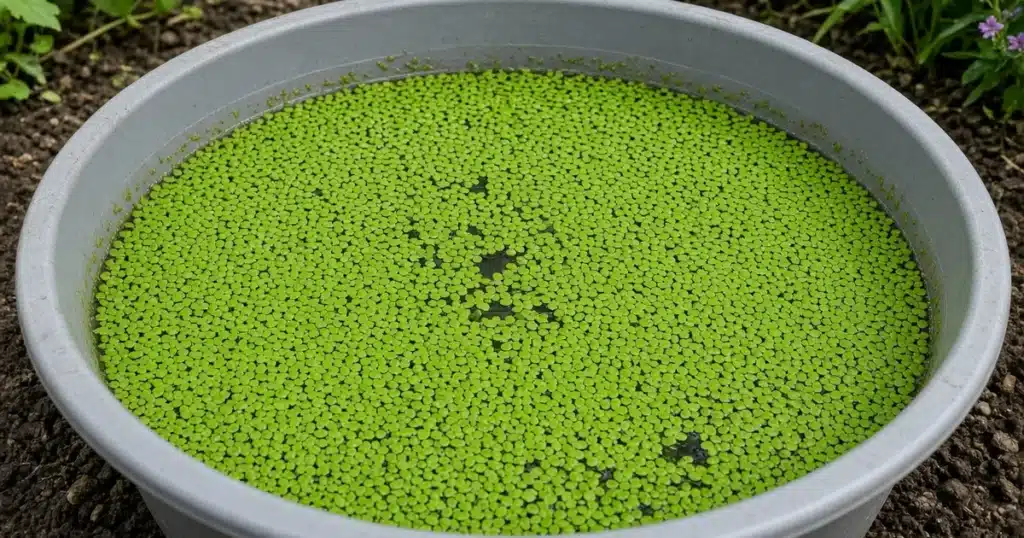
Duckweed is a tiny floating plant that covers still water and can be grown in tubs or stock tanks. Start with a clean culture, give it bright light, hold the water still and add only light nutrients. Skim part of the mat often so it continues growing, then add it to compost or use it as mulch.
It is one of the fastest growing plants you can grow, and a single tub can give a steady harvest through the warm months.
What is duckweed?
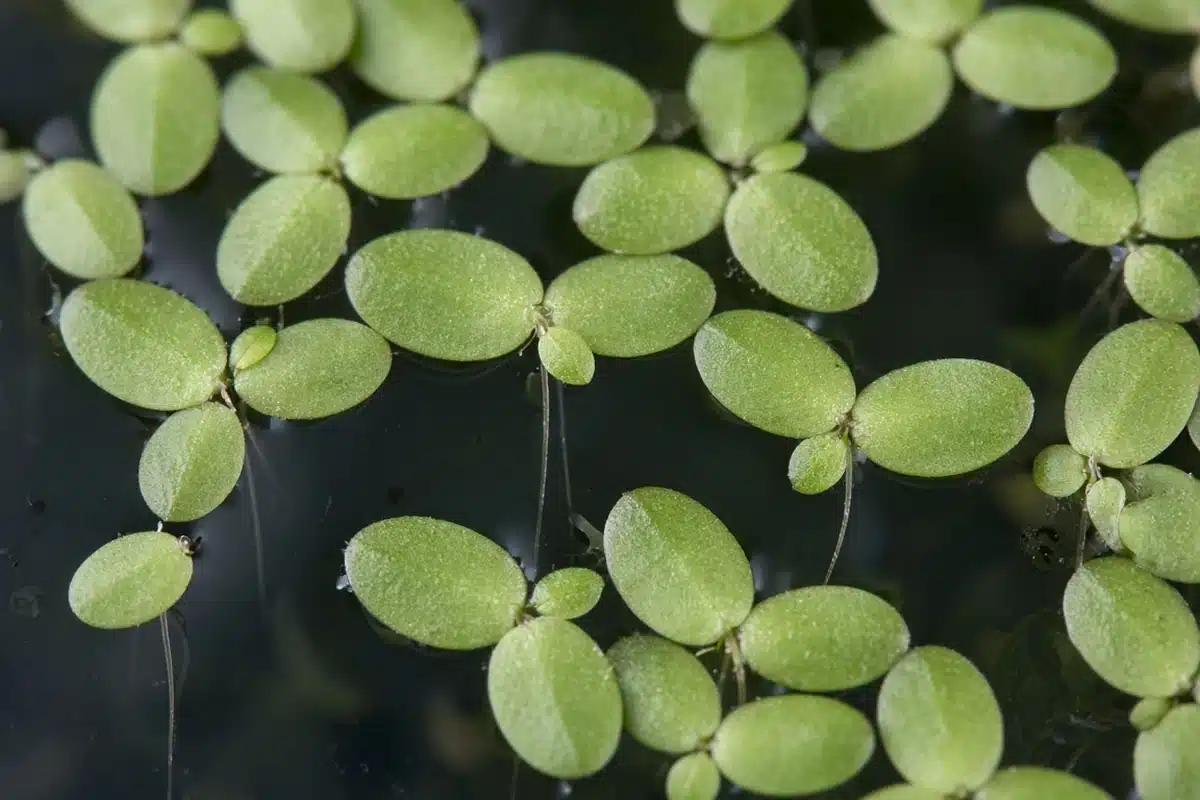
Duckweed is a group of small aquatic plants. Each plant is a flat green frond, often with a single root hanging below. The NC State Extension Gardener Plant Toolbox page on Lemna minor describes common duckweed as a floating plant found on ponds and slow water across much of the country.
Duckweed spreads mostly by budding. New fronds form from the edge of the old ones and break away. Under good conditions, the mat grows fast and can cover open water in a short time.
That fast growth draws interest from researchers. The NC State Biological and Agricultural Engineering story on domesticating duckweed describes work collecting and growing many duckweed samples to study which ones grow well.
For a home gardener, the appeal is simpler. Duckweed turns spare water, light and a little nutrient into a steady supply of green material.
How do you grow duckweed in a tub?
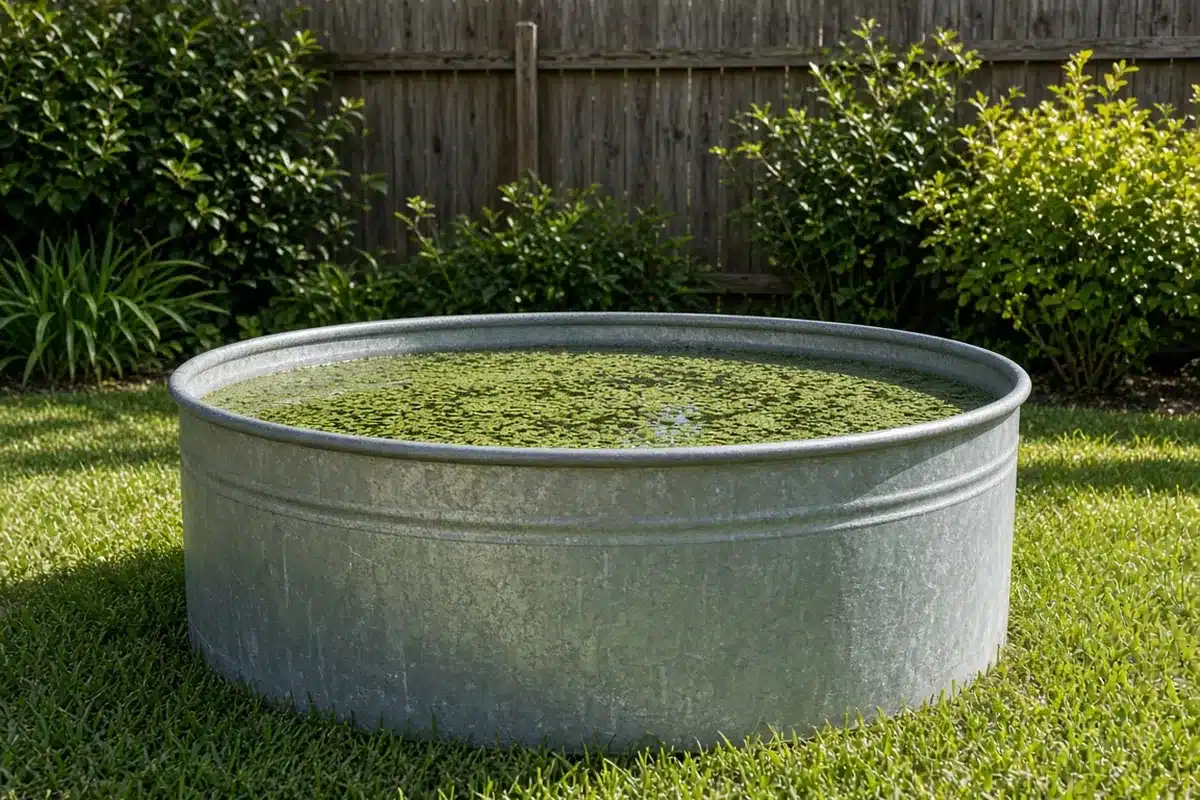
A wide, shallow container works well. Duckweed lives on the surface, so surface area matters more than depth. A plastic tub, a half barrel or a stock tank all work.
| Factor | What to do | Notes |
|---|---|---|
| Container | Wide and shallow | Surface area drives harvest size |
| Water | Clean and still | Moving water breaks up the mat |
| Light | Bright, with some shade in heat | Hot water slows growth |
| Nutrients | Light feeding only | Too much feeds algae instead |
| Harvest | Skim part of the mat often | Leave enough to regrow |
Sources: NC State Extension, NC State Biological and Agricultural Engineering.
Fill the tub with clean water and let it settle for a day or two. Rainwater suits duckweed well because it’s soft and free of added chemicals. Our post on rainwater for cannabis covers collecting and storing it for garden use.
Add a starter culture. You can get duckweed from a pond supply store or a fellow gardener. Rinse it in clean water and check that it holds no snails or other pond plants you don’t want.
Set the tub where it gets bright light. Full sun works in mild weather. In midsummer heat, some afternoon shade stops the water from getting too warm.
Hold the surface still. Wind, splashing and pumps break the mat apart. A tub in a sheltered spot does better than one in an open, windy yard.
How do you use harvested duckweed?
Skim duckweed with a fine net or a kitchen strainer. Take part of the mat and leave the rest to continue growing. Regular harvests stop the mat from crowding itself.
Fresh duckweed is mostly water, so it breaks down quickly, which makes it a good green addition to a compost pile. Mix it with dry brown material like leaves or straw to hold the pile balanced. Our post on composting cannabis garden waste explains how to balance greens and browns.
You can spread fresh duckweed thinly around garden plants as a light mulch. It dries and breaks down into the soil surface.
Some keepers of backyard flocks offer duckweed to birds as a fresh green. Offer it as a small extra alongside a regular feed, not as a replacement.
When does duckweed grow well?
Duckweed grows most in the warm months. Long days and mild water push the mat to double fast. In cool spring water it tends to grow more slowly, and growth slows sharply once nights turn cold.
In mild areas, a tub can stay active from late spring until fall. Where winters freeze, fronds sink and rest near the bottom, then rise again as the water warms. You can bring a small jar of fronds inside to a bright window to restart your tubs next spring.
Plan harvests around the season. Skim often in summer when growth is fast and leave the mat alone in cool weather so it can hold on.
How to: step by step
- Pick a wide, shallow tub or stock tank.
- Fill with clean water and let it settle.
- Add a starter culture of duckweed.
- Hold the water still and in bright light.
- Add light nutrients only if growth slows.
- Skim part of the mat often and leave some behind.
If growth slows and fronds pale, add a small amount of diluted fertilizer or a splash of compost tea. Go light. Duckweed needs only a little, and extra nutrients feed algae.
Top off the tub with clean water as it evaporates. In hot weather, this happens fast.
Indoors, duckweed grows in a clear tub or tank under a grow light. Our post on creating a good environment for your hydro setup covers lighting and room conditions that also suit a small duckweed tank.
Troubleshooting
Yellow fronds. Nutrients are low. Add a light feed.
Mat crashing. The water is too hot or the mat is too crowded. Add shade and skim more often.
Algae taking over. There are too many nutrients. Dilute the water and feed less.
Mat breaking apart. The water is moving. Move the tub out of the wind and turn off any pump.
Slow start. The starter culture was small. Give it time and avoid harvesting until the mat covers much of the surface.
Contain duckweed in its tub and out of natural ponds and streams where it doesn’t already grow. Kind Seed Co shares more garden ideas in outdoor growing.
Sources
- Lemna minor (common duckweed), NC State Extension Gardener Plant Toolbox, Lemna minor (common duckweed)
- Domesticating duckweed, 300 samples at a time, NC State Biological and Agricultural Engineering, Domesticating duckweed
FAQ
Is duckweed invasive?
Duckweed can spread fast on still water. Grow it in a contained tub and avoid dumping it into ponds or streams.
Can duckweed grow indoors?
Yes. A clear tub or tank under a grow light works well. Hold the water still and clean, and harvest part of the mat often.
How often can you harvest it?
In warm weather with good light, you can skim part of the mat every few days. Leave enough fronds on the surface so the mat continues growing.
Can backyard birds have duckweed?
Some flock keepers offer fresh duckweed as a small extra green. Offer it as a supplement to a regular feed, not a replacement.
Does duckweed need fertilizer?
Only a little. Rainwater or a small amount of diluted feed is often enough. Too much nutrient feeds algae instead of duckweed.



