
What Is a Pollinizer? Pollinizer vs Pollinator and Compatible Varieties
The short answer
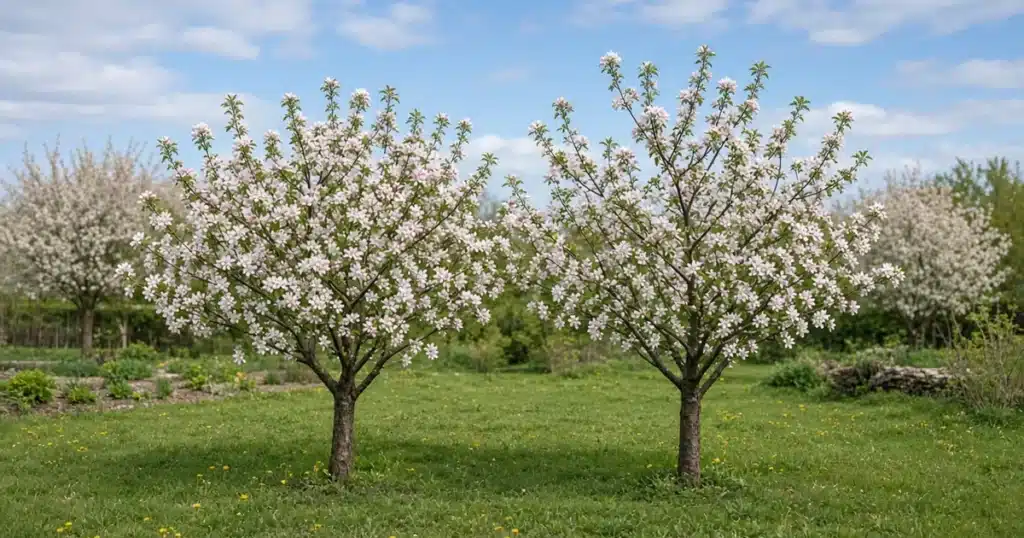
A pollinizer is a plant variety that provides compatible pollen for another variety. A pollinator is the bee or other animal that carries that pollen. Many apples need a different variety that blooms at the same time. Some varieties make poor pollen sources. Check bloom groups before planting.
The two words sound almost the same, and they are often mixed up. Getting both right is the key to a good fruit set.
What is a pollinizer?
A pollinizer is a tree or plant grown to supply pollen to another. In fruit growing, it often means a second variety planted near the main one.
Many fruit trees can’t set fruit with their own pollen. Most apples, many pears, sweet cherries and some plums need pollen from a different variety. That second variety is the pollinizer.
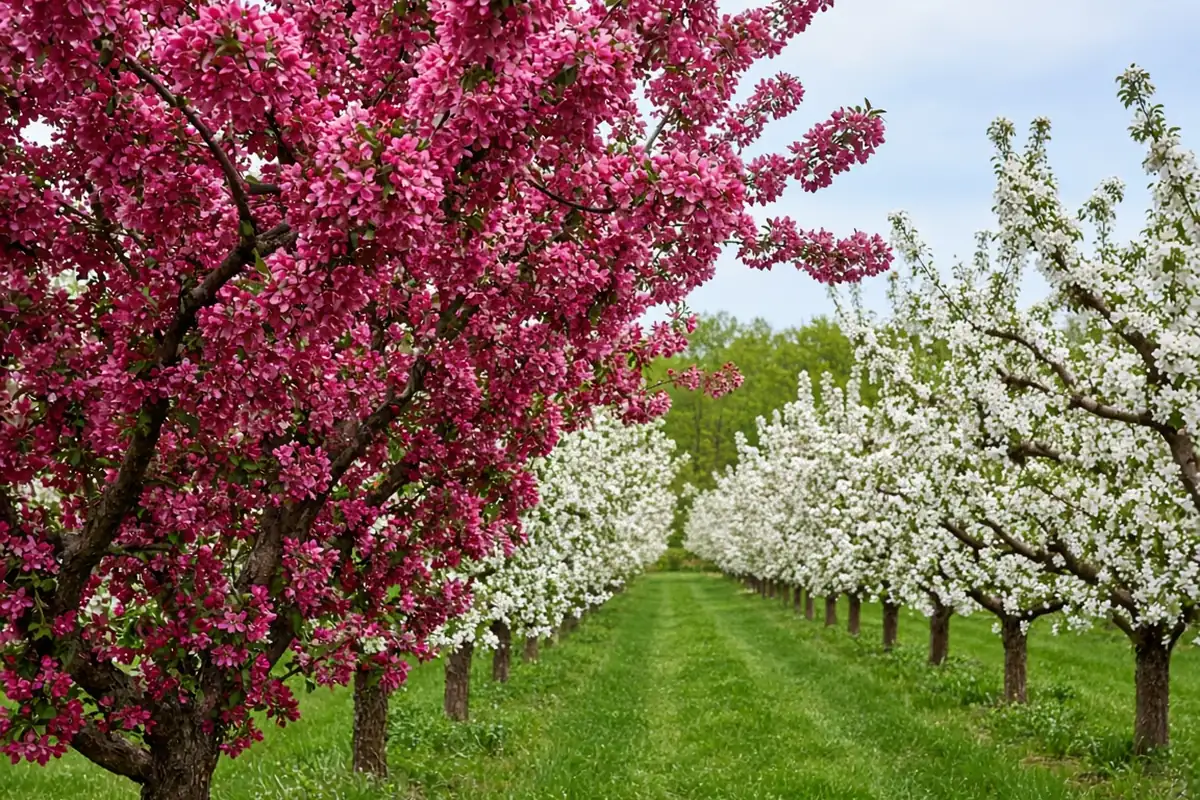
The WSU Tree Fruit page on pollination explains that apple orchards include pollinizer varieties or crabapples among the main variety so bees can carry pollen between them.
How is it different from a pollinator?
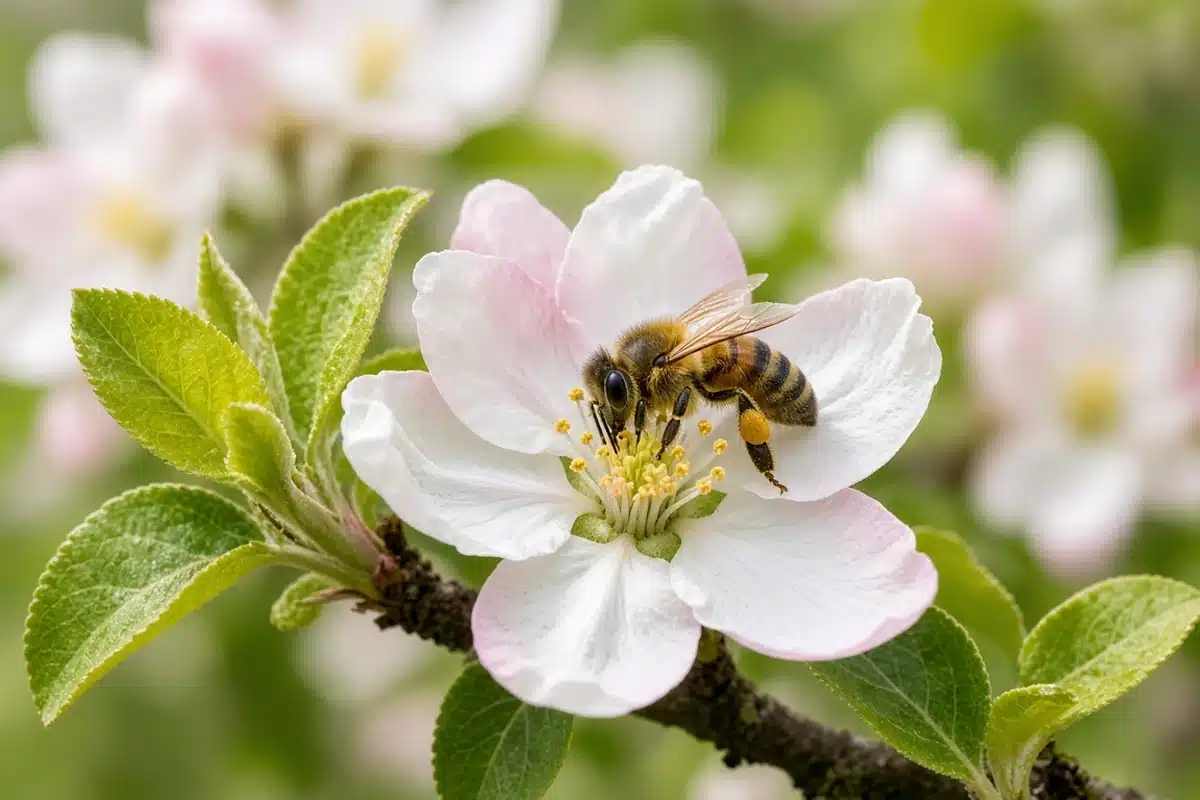
A pollinator is the animal that moves pollen. Honey bees, bumble bees, mason bees and other native bees are the main pollinators of fruit trees. Flies, beetles and other insects help too.
So the pollinizer supplies the pollen, and the pollinator carries it. You need both.
Our post on what roles bees play in outdoor cannabis explains how bees move through gardens.
| Term | Meaning | Source |
|---|---|---|
| Pollinizer | Variety that supplies compatible pollen | WSU Tree Fruit |
| Pollinator | Bee or animal that carries pollen | University of Missouri Extension |
| Self fruitful | Sets fruit with its own pollen | University of Missouri Extension |
| Self unfruitful | Needs pollen from another variety | University of Missouri Extension |
| Bloom group | Varieties that flower at the same time | Iowa State University Extension |
Sources: WSU Tree Fruit, University of Missouri Extension, Iowa State University Extension.
Do all fruit trees need a pollinizer?
No. Self fruitful trees set fruit with their own pollen. Most peaches, nectarines, apricots and sour cherries are self fruitful. A single tree can bear a full crop.
Self unfruitful trees need a pollinizer. Most apples and pears fall in this group, along with many sweet cherries and Japanese plums.
The University of Missouri Extension guide to pollinating fruit crops lists which fruits need cross pollination and which do not.
How do you choose compatible varieties?
Pick a different variety of the same fruit that blooms in sync. Bloom periods are often grouped into early, mid and late. Pick a pollinizer in the same or an overlapping group.
Not every variety gives good pollen. Certain apples produce sterile pollen and can’t pollinize others. They need two other varieties nearby so all three set fruit.
The Iowa State University Extension answer on which apple to plant for good pollination explains how to pick a second apple that blooms in sync and makes good pollen.
Nurseries and Extension charts list bloom groups and note poor pollen sources.
Can a crabapple pollinate apples?
Yes. Many flowering crabapples bloom over a long period and make lots of pollen. They work well as pollinizers for apples. Pick one that blooms when your apple does.
How close should trees be?
Plant pollinizers close by. University of Missouri Extension suggests within 50 feet for semidwarf apples and under 20 feet for dwarf apples. In small yards, a neighbor’s tree may serve as a pollinizer.
How do bees fit in?
Bees fly less in cold, wet or windy weather. A cold spring can cut fruit set even with a good pollinizer.
Give bees flowers that bloom before and after fruit trees so they stay nearby. Avoid spraying flowers during bloom.
Our post on companion plants when growing marijuana covers mixed plantings that draw beneficial insects.
How do you know pollination worked?
After bloom, pollinated flowers swell into small fruit while others drop. Our post on how to tell if your female cannabis plant has been pollinated covers signs of pollination in another crop.
What about pears and plums?
Most pears need a second pear variety that blooms at the same time. European and Asian pears can sometimes pollinize each other when bloom overlaps.
Many Japanese plums need a second Japanese plum. Most European plums benefit from or need a second variety for cross pollination.
How to: step by step
- Check if your fruit tree needs cross pollination.
- Find its bloom period.
- Pick a different variety that blooms at the same time.
- Avoid varieties known as poor pollen sources.
- Plant within reach of bees.
- Consider a flowering crabapple as a pollinizer.
Note bloom dates each spring. Your records help you choose future trees.
Troubleshooting
Lots of bloom, little fruit. There is no pollinizer. Add a compatible variety.
Poor set in a cold spring. Few bees flew. Plant early flowers that draw bees.
Still poor set. Bloom timing is wrong. Check bloom groups.
One tree sets, the other does not. One variety makes poor pollen. Add a third variety.
Fruit drops early. Pollination was weak. Plant pollinizers closer.
With the right pollinizer and busy bees, fruit trees set fuller crops. Kind Seed Co shares more garden projects in outdoor growing.
Sources
- Pollination, WSU Tree Fruit, Pollination
- Pollinating fruit crops (G6001), University of Missouri Extension, Pollinating fruit crops (G6001)
- What cultivar of apple should I plant to ensure good pollination?, Iowa State University Extension, What cultivar of apple should I plant to ensure good pollination?
FAQ
Do all fruit trees need a pollinizer?
No. Most peaches and sour cherries are self fruitful.
Can a crabapple pollinate apples?
Yes, if it blooms at the same time.
How close should trees be?
Within about 50 feet for semidwarf apples and under 20 feet for dwarf apples.
What is a self fruitful tree?
A tree that sets fruit with its own pollen.
What is the difference between pollinizer and pollinator?
A pollinizer supplies pollen. A pollinator carries it.



