
Bitter Lettuce Fixes: Harvest Timing and Care for Sweet Leaves
The short answer
Bitter lettuce fixes start with harvest timing. Pick baby leaves and outer leaves often, since young leaves taste sweeter. Grow in cool weather, give afternoon shade and water shallow roots often. Heat and the start of bolting cause most bitterness, so slow bolting types hold their flavor longer.
Lettuce tastes sweetest in the cool weeks of spring and fall. As summer heats up, leaves often turn tough and bitter almost overnight. A few changes in timing and care can stretch the sweet season.
Why does lettuce turn bitter?
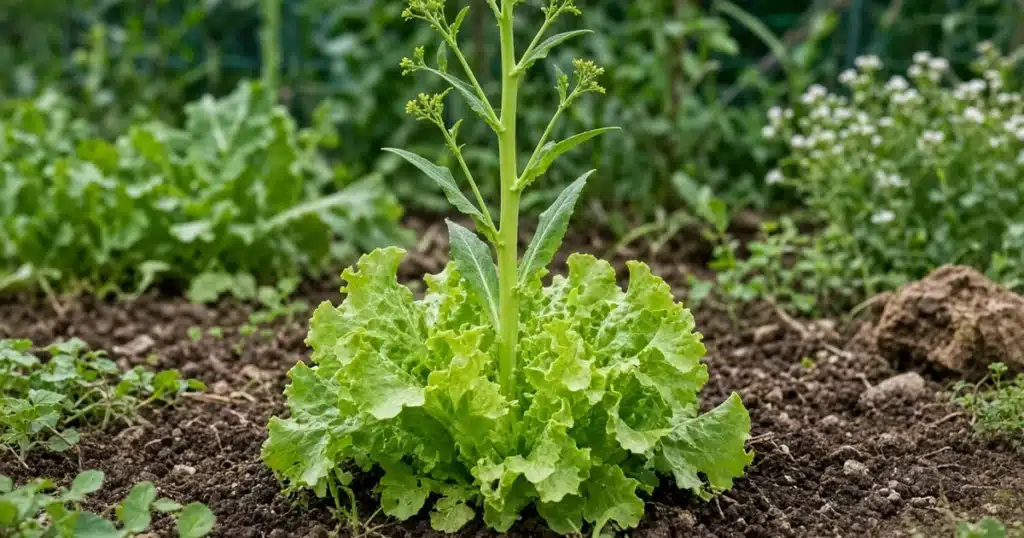
Lettuce leaves hold a milky sap that turns bitter as the plant gets ready to flower.
Heat and long days push the plant toward flowering. The center stretches upward, and the leaves change flavor.
Stress adds to the problem. Dry soil and high temperatures both raise bitterness even before a flower stalk shows.
The Clemson Cooperative Extension lettuce fact sheet notes that lettuce grows well in cool weather. Hot weather causes bolting and bitter leaves.
How do heat and bolting play a part?
Bolting is the plant sending up a tall flower stalk. After that, leaf quality drops fast.
Warm temperatures, especially above the low 80s, speed bolting. Long summer days push it further.
The University of Delaware Weekly Crop Update on extending lettuce into summer describes how heat tolerant varieties and shade help growers harvest lettuce later into the season.
Watch for early signs. The plant’s center rises, leaves narrow and the head loosens. Taste a leaf. If it turns bitter, harvest the rest soon.
| Sign | What it means | What to do |
|---|---|---|
| Center stretching upward | Bolting has started | Harvest now |
| Milky sap and sharp taste | Bitterness rising | Pick remaining leaves |
| Wilting in afternoon | Heat stress | Add shade and water |
| Tough, narrow leaves | Plant is aging | Resow a new round |
| Sweet, crisp leaves | Cool, steady growth | Stick to the routine |
Sources: Clemson Cooperative Extension, University of Delaware, UC Master Gardeners of Sacramento County.
How can you stop lettuce turning bitter?
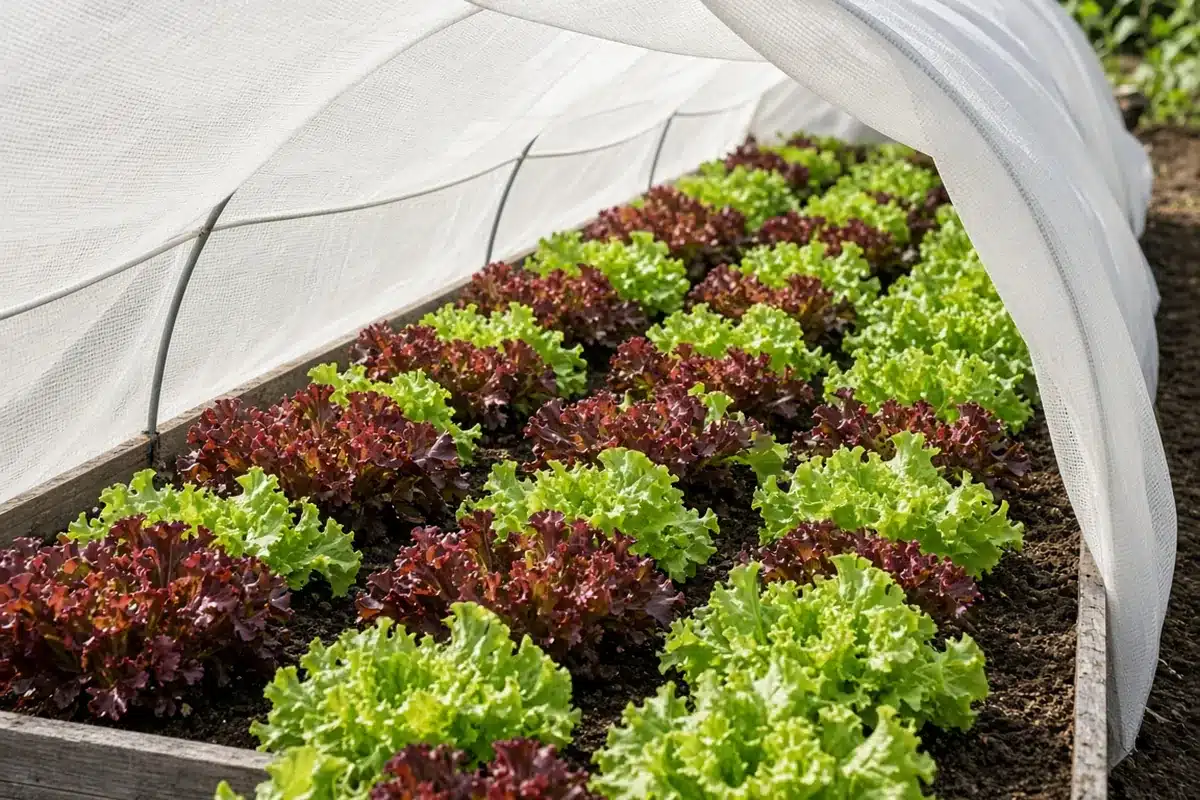
Plant in cool weather. Sow in early spring and again in late summer for fall harvest. Many areas can grow lettuce through winter under cover.
Pick slow bolting types. Leaf lettuce and romaine often handle heat better than head types. Seed catalogs mark varieties that are slow to bolt.
Give afternoon shade. Taller crops, a north facing spot or shade cloth all help. Our post on shade cloth explains shade levels and setup.
Water steadily. Lettuce roots are shallow. Water often enough that the top few inches never dry out.
Water at the right time. Morning watering helps plants face afternoon heat. Our post on the right time to water outdoors explains why timing matters.
Harvest young. Baby leaves taste sweeter. Pick outer leaves often and let the center continue growing.
The UC Master Gardeners of Sacramento County guide to growing lettuce in warm weather suggests shade, mulch and heat tolerant varieties for hot climates.
How to: step by step
- Plant lettuce in cool spring or fall weather.
- Choose slow bolting varieties for warmer months.
- Give plants afternoon shade.
- Water so soil stays evenly moist.
- Harvest leaves young and often.
- Pull bolting plants and resow.
Does succession planting help?
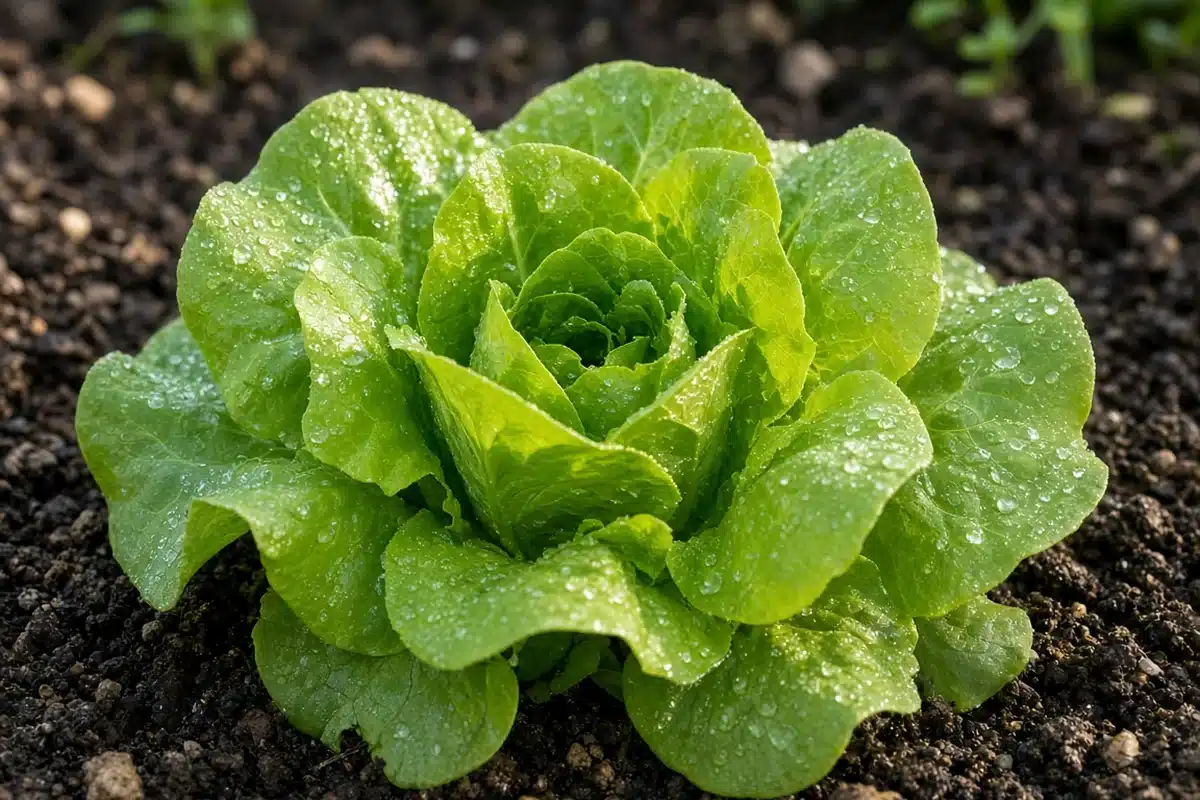
Yes. Sow a short row every two to three weeks. Young plants replace older ones before they turn bitter.
This gives a steady supply of sweet leaves. When summer heat peaks, pause sowing or switch to heat tolerant types.
Lettuce seed can struggle to sprout in hot soil. Sow in the cool evening, water the bed and shade it until seedlings appear.
Our post on heat stress shows how high temperatures affect young plants.
Which lettuce types suit warm weeks?
Loose leaf lettuce is the easiest choice for warm weeks. You can pick it a few leaves at a time.
Romaine and Batavian types form upright heads with thick leaves. Many of them hold their flavor longer in heat than butterhead types.
Iceberg and other crisphead types need the longest cool season. They are the hardest to grow in summer.
Read catalog descriptions for words like heat tolerant or slow to bolt. Plant two or three types side by side and note which stays sweet longest.
Can mulch help?
Mulch cools soil and holds moisture, and both slow bolting.
Use a thin layer of straw or shredded leaves around plants. Pull it back from the leaves to limit rot.
Troubleshooting
Bitter leaves in early summer. Heat arrived. Harvest now and plant again in late summer.
Bitter leaves in cool weather. Dry soil may be the cause. Water more evenly.
Plants bolt soon after planting. The variety may not suit warm weather. Try slow bolting types.
Seeds will not sprout in summer. Soil is too hot. Sow in the evening and shade the row.
Leaves tough and bitter at harvest. Plants grew too old. Pick earlier and more often.
Cool roots and young leaves mean a sweeter harvest. Kind Seed Co shares more garden ideas in outdoor growing.
Sources
- Extending lettuce production into the summer, University of Delaware Cooperative Extension, Weekly Crop Update, Extending lettuce production into the summer
- Growing lettuce in warm weather, UC Master Gardeners of Sacramento County, Growing lettuce in warm weather
- Lettuce, Clemson Cooperative Extension, HGIC, Lettuce
FAQ
Can you fix bitter lettuce after picking?
Chilling leaves in cold water can help a little. Most bitterness stays.
Does soaking lettuce reduce bitterness?
A short soak in ice water crisps leaves and may soften bitter notes.
Which lettuce types bolt slowly?
Many leaf, romaine and Batavian types bolt slower than head lettuce.
Does shade cloth help lettuce?
Yes. Thirty to fifty percent shade helps plants stay cooler in summer.
Can bitter lettuce be cooked?
Yes. Wilting it in a warm pan or soup softens the sharp flavor.



