
What Is a Drupe? Peaches, Cherries and Olives Explained
The short answer
A drupe is a fleshy fruit with an outer skin, a soft middle and a hard inner pit that encloses a seed. Peaches, cherries, plums and olives are drupes, often called stone fruits. The pit is the hardened inner wall of the fruit, not the seed itself. The seed sits inside it.
Many popular fruits and even some nuts are drupes. Learning the layers makes fruit structure easy to read.
What is a drupe?
All fruits grow from the ovary of a flower. The ovary wall becomes the pericarp, which has three layers.
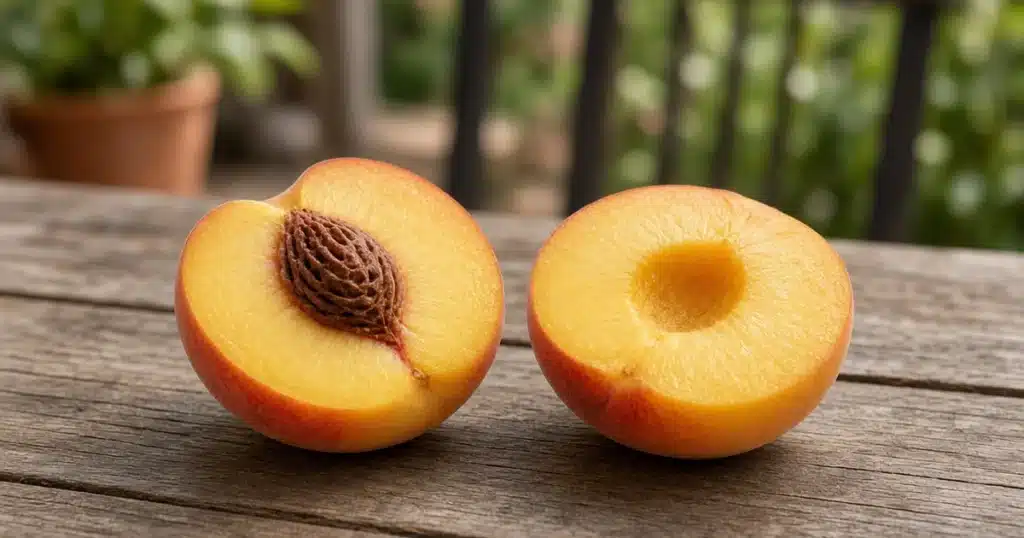
In a drupe, the outer layer, the exocarp, becomes the skin. The middle layer, the mesocarp, becomes the soft flesh. The inner layer, the endocarp, hardens into the pit or stone.
Inside the pit sits one seed, sometimes two.
The University of Wisconsin Botany 130 page on fruits describes drupes as simple fleshy fruits with a stony endocarp and shows how they compare with berries and pomes.
| Layer | Name | Example |
|---|---|---|
| Outer | Exocarp | Peach skin |
| Middle | Mesocarp | Peach flesh |
| Inner | Endocarp | Peach pit |
| Center | Seed | Kernel inside the pit |
Sources: University of Wisconsin Botany, Purdue Extension.
Which fruits are drupes?
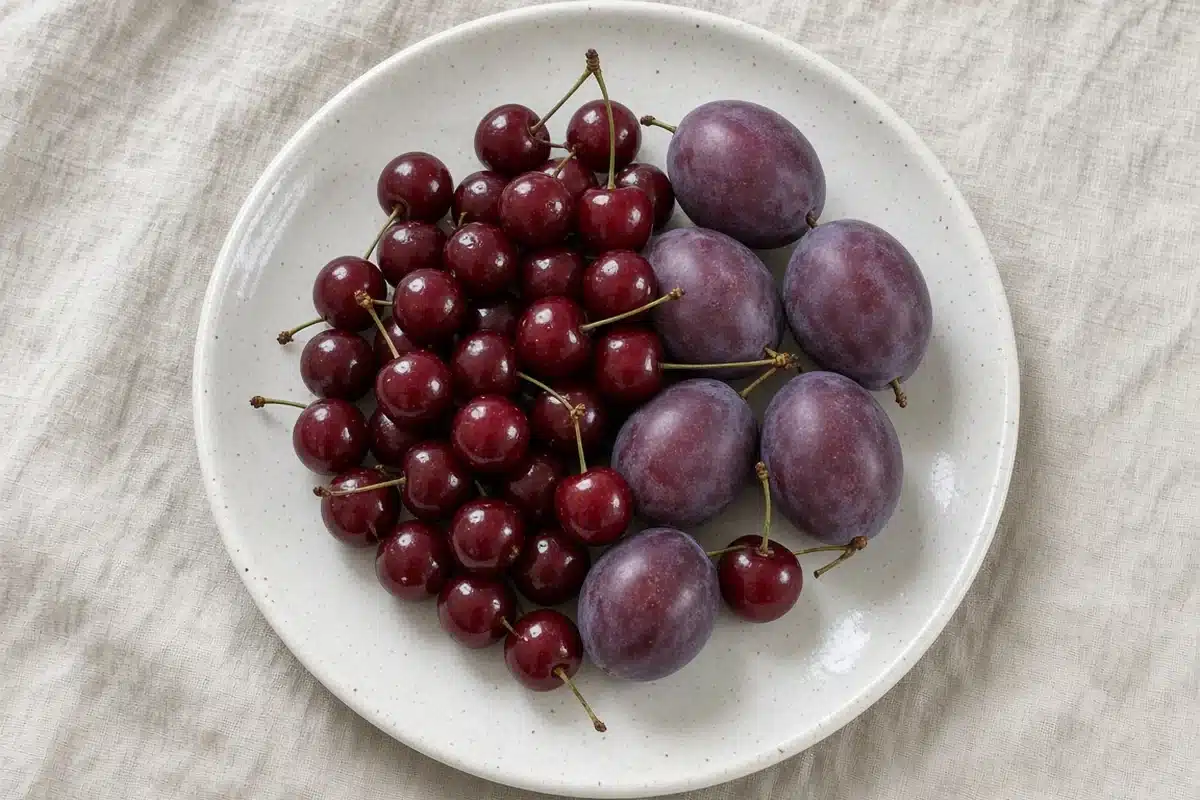
Peaches, nectarines, apricots, plums, cherries and olives are classic drupes. Mangoes are drupes too. So are coffee cherries, whose seeds become coffee beans.
Almonds are drupes. The part we eat is the seed inside the pit. The fleshy outer layer dries and splits as the fruit matures.
Walnuts and pecans are often called drupe like fruits, and their structure is similar, with a husk around a hard shell.
How do drupes differ from pomes?
Pomes, such as apples and pears, have a papery core with several seeds. Their flesh grows mostly from tissue around the ovary.
Drupes have a single hard pit with one seed inside. Their flesh grows from the ovary wall itself.
The Purdue Extension article on gardening terms explains fruit type terms like drupe and pome that appear in garden catalogs.
Are raspberries drupes?
Not exactly. A raspberry is an aggregate of many tiny drupes, called drupelets. Each drupelet has its own skin, flesh and small pit. Blackberries are similar.
Why are drupes called stone fruits?
Because of the hard stone at the center. Growers often group peaches, plums, cherries and apricots as stone fruits in pruning and care guides.
How can you see the layers?
Slice a peach or cherry down the middle. You’ll see thin skin, juicy flesh and a hard pit. Crack the pit carefully with a nutcracker to find the seed inside.
The Colorado State University Extension botany notes describe flower parts and how ovaries become fruit, which helps explain drupe layers.
How do drupe seeds sprout?
The hard pit blocks water, so drupe seeds often need a cold, moist period before they sprout. Some gardeners crack or nick pits to speed germination.
Our post on scarifying cannabis seeds explains how nicking hard seed coats helps water enter, a related idea. Our post on cannabis seed anatomy covers the parts of a seed.
How do flowers become drupes?
After pollination, the ovary swells. Its wall forms the three layers as the fruit grows. Our post on how cannabis buds form explains flower development in another plant.
Why does fruit type matter?
Stone fruit trees often bear on one year old wood and suit open center training. Knowing your fruit is a drupe points you to the right pruning guides.
How do clingstone and freestone differ?
In some peaches and plums, the flesh grips the pit tightly. These are clingstone types. In others, it pulls away cleanly. These are freestone types. Varieties in between are called semi freestone.
Clingstone peaches often hold their shape well when canned. Freestone peaches are easier to slice and eat fresh.
The difference comes from how the inner flesh bonds to the endocarp as the fruit ripens. It doesn’t change the basic drupe structure.
Do cherries and olives follow the same pattern?
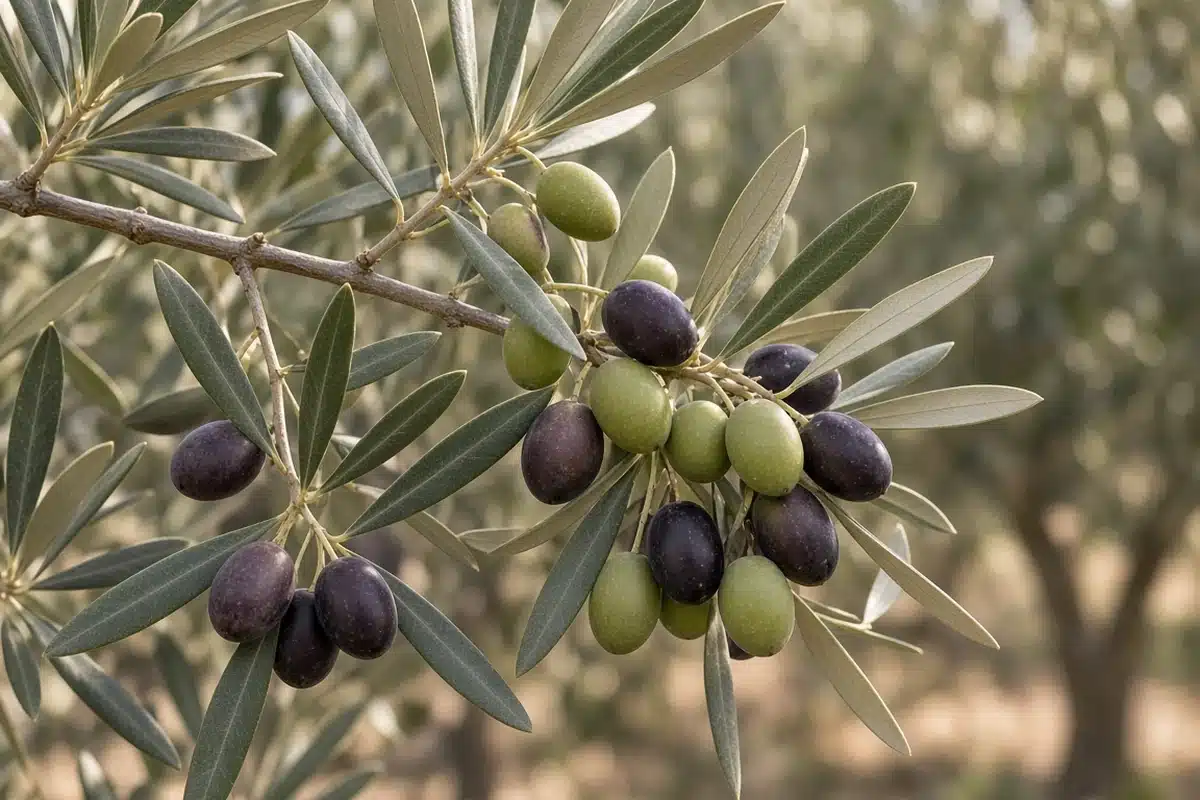
Yes. A cherry has a thin skin, juicy flesh and a small round pit. An olive has a bitter skin, oily flesh and a hard, pointed pit. Both have one seed inside the stone.
Olives are drupes even though they aren’t sweet. Fruit type depends on structure, not flavor.
How to: step by step
- Cut a peach or cherry in half.
- Find the skin, flesh and hard pit.
- Crack a pit to see the seed inside.
- Compare with an apple core.
- Learn other drupe fruits.
- Use the term in orchard guides.
Try the same steps with an olive or a plum to compare.
Troubleshooting
Pit mistaken for seed. The structure is layered. Crack the pit.
Confused with nuts. Some drupes are sold as nuts. Check a botany guide.
Unsure of fruit. It may be an aggregate type. Look up the plant.
Pit splits inside fruit. Growth was uneven. This is common in some peaches.
Seed is empty. Pollination was poor. Check another fruit.
Once you know the layers, every stone fruit tells the same simple story. Kind Seed Co shares more garden projects in outdoor growing.
Sources
- Fruits (Botany 130), University of Wisconsin Botany, Fruits (Botany 130)
- Some gardening terms you may have seen, Purdue Extension, Some gardening terms you may have seen
- Botany (CMG GardenNotes 120), Colorado State University Extension, Botany (CMG GardenNotes 120)
FAQ
Is an almond a drupe?
Yes. We eat the seed inside the pit.
Are raspberries drupes?
They are aggregates of many small drupelets.
Why are drupes called stone fruits?
Because of the hard stone, or pit, at the center.
Is a mango a drupe?
Yes. It has skin, flesh and a large pit.
Is the pit the seed?
No. The pit is the hard inner wall. The seed sits inside it.



