
Applying Agricultural Lime: Soil Analysis First, Rates and Timing
The short answer
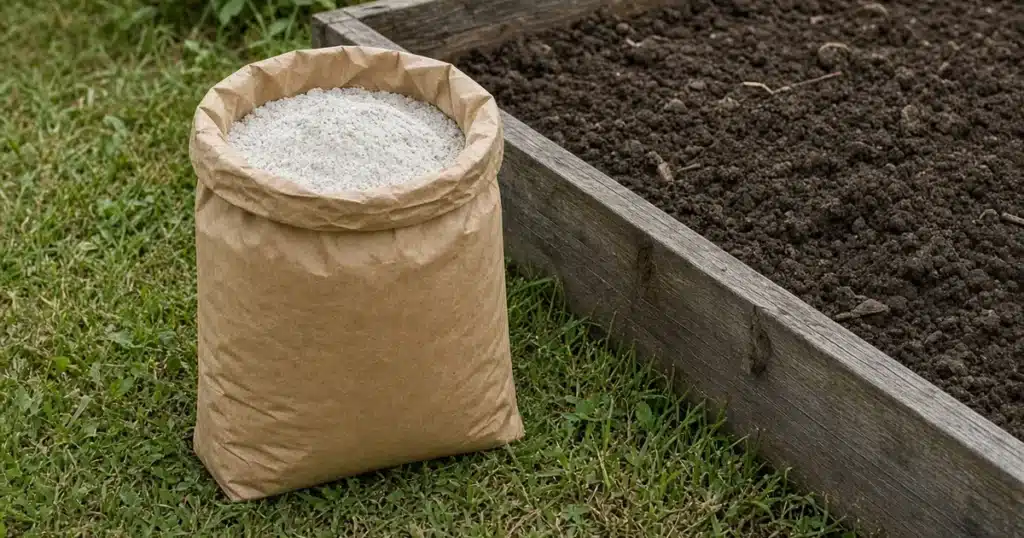
Agricultural lime is ground limestone used to raise the pH of acidic soil. Get a soil analysis before adding agricultural lime, since the lab report sets the rate. Lime reacts slowly, so apply it months before planting, work it into the soil when you can and check pH again after a year or two.
Lime is cheap and easy to spread. Success depends on using the right amount for your soil.
What is agricultural lime?
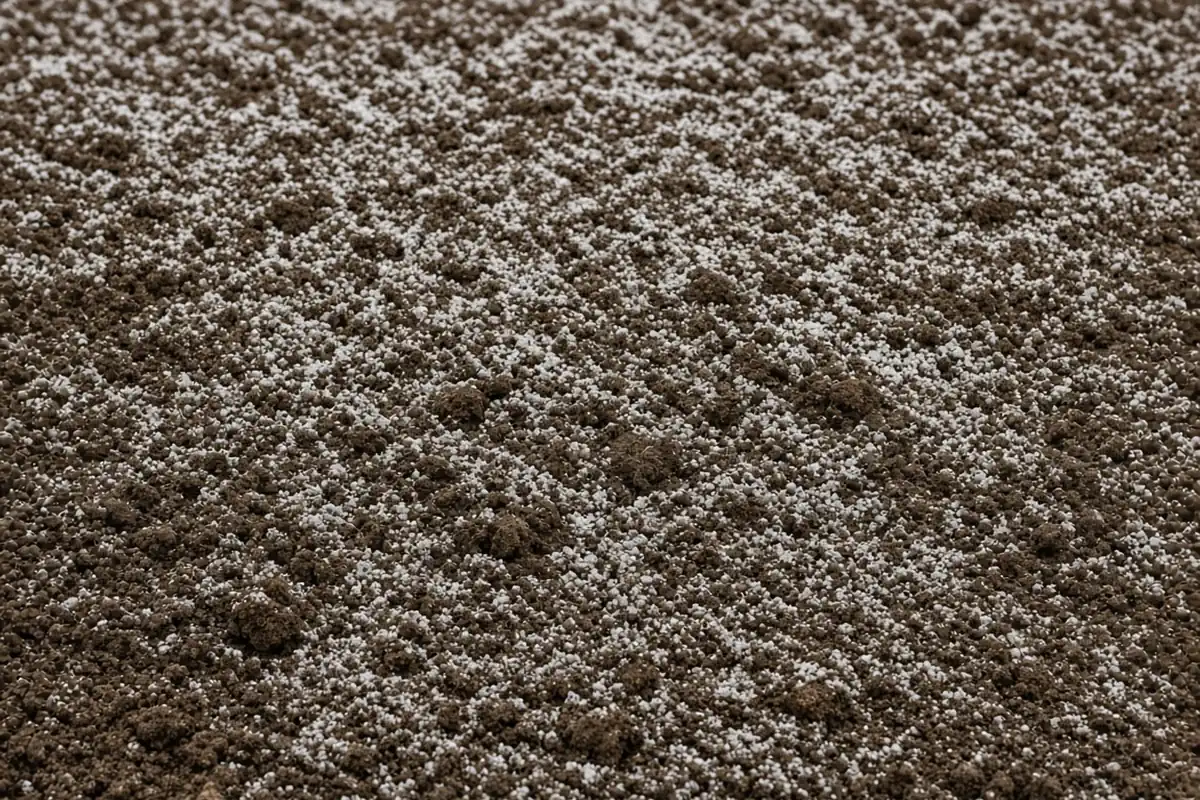
Agricultural lime, often called aglime, is finely ground limestone, and it neutralizes soil acidity and raises pH. It adds calcium, and some types add magnesium.
Calcitic lime is mostly calcium carbonate. Dolomitic lime contains calcium and magnesium carbonate.
The Penn State Extension article on soil acidity and aglime explains how lime reacts with soil acidity and why particle size matters. Finer lime reacts faster.
| Type | Contains | Use when |
|---|---|---|
| Calcitic lime | Calcium carbonate | Soil is acidic and magnesium is adequate |
| Dolomitic lime | Calcium and magnesium carbonate | Soil is acidic and low in magnesium |
| Pelletized lime | Fine lime pressed into pellets | Easier spreading in small areas |
| Hydrated lime | Calcium hydroxide | Reacts fast and is easy to overapply |
Sources: Penn State Extension, University of Missouri Extension, Clemson HGIC.
Why get a soil analysis first?
Soils differ in how much lime they need. Clay and high organic matter soils resist pH change more than sandy soils. A lab measures both pH and buffer pH to set the rate.
Liming without an analysis can push pH too high. High pH makes iron, manganese and other nutrients less available.
The University of Missouri Extension guide to liming Missouri soils explains how labs set rates and how lime quality affects them.
Our post on soil sampling for cannabis growers covers taking samples.
When and how should you apply lime?
Apply lime months before planting when you can. Fall is a common time, giving lime the winter to react. Spring works too, but results come slower.
Spread lime evenly. For big areas, spread half in one direction and half across it.
Work lime into the top several inches of soil if possible. Lime moves slowly when left on the surface.
The Clemson Cooperative Extension HGIC fact sheet on changing the pH of your soil gives home garden guidance on lime rates and timing.
Our post on garden lime for cannabis covers lime in grow beds.
How long does lime take to work?
Lime starts reacting within weeks, but full results take months to a year or more. Fine lime and good mixing speed it up.
Can you add too much lime?
Yes. Too much lime raises pH beyond what most plants like. Lowering pH again is slow. Follow the lab rate.
Why does pH matter?
pH controls how available nutrients are to roots, and most garden plants prefer slightly acidic soil. Our post on understanding pH and how it affects cannabis plants explains the link.
How do you take a good soil sample?
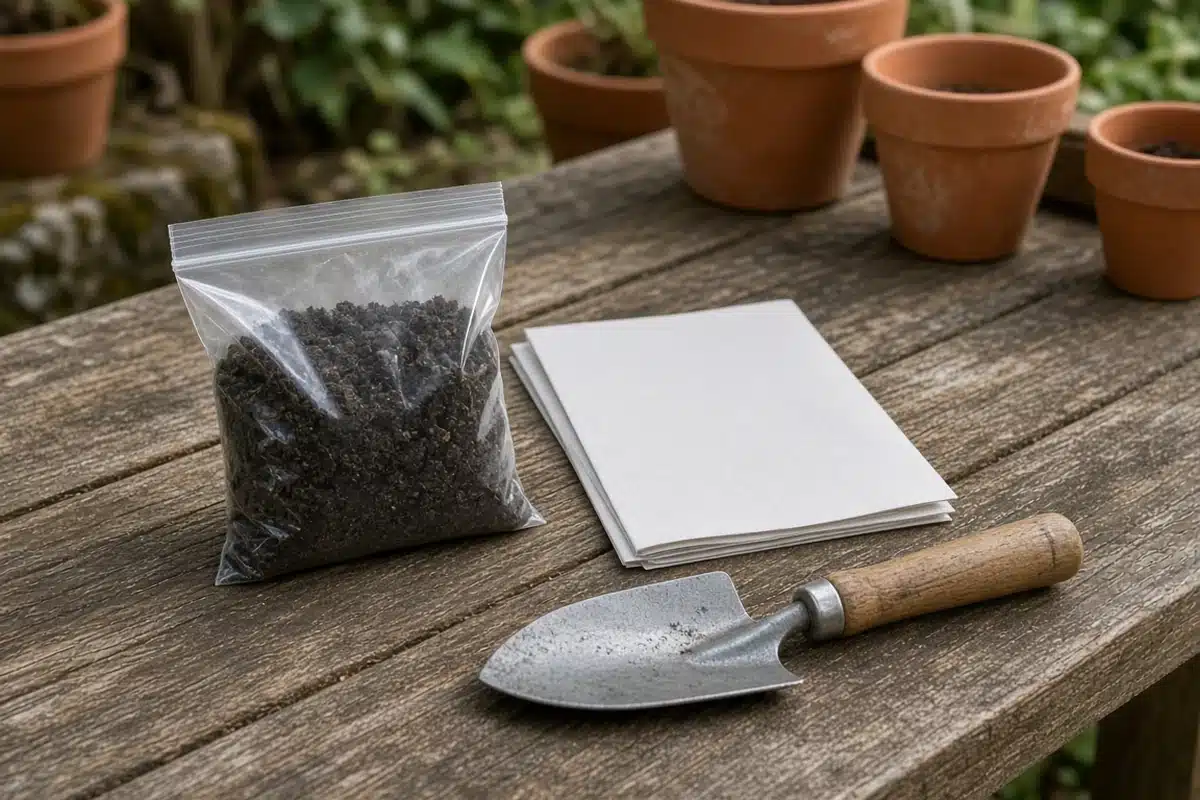
Use a clean trowel or soil probe. Take slices from the top six inches in a dozen spots across the bed or lawn. Mix them in a clean bucket.
Send about a cup of the mix to your state extension lab or a private lab. Sample lawns, gardens and beds separately, since each may need a different rate.
Sample at the same time of year each time so results compare well.
What about wood ash?
Wood ash also raises pH and acts faster than lime, and it is easy to overapply. Use it lightly and only when your soil analysis shows a need.
How should you store lime?
Store bags dry and off the ground. Damp lime clumps and spreads unevenly. Pelletized lime handles moisture better but still stores well in a dry shed.
What about lawns?
Lawns benefit from lime when soil is acidic. Spread it with a drop or broadcast spreader and water lightly. Core aeration first helps lime reach the root zone.
Do all plants want higher pH?
No. Blueberries, azaleas and rhododendrons prefer acidic soil. Skip lime on their beds. Most vegetables and lawn grasses do well near slightly acidic to neutral soil.
How to: step by step
- Take a soil sample and send it to a lab.
- Read the lime recommendation on the report.
- Choose calcitic or dolomitic lime as advised.
- Spread evenly at the recommended rate.
- Work it into the soil if possible.
- Run a new soil analysis after a year or two.
File the report with your garden notes to track pH over time.
Troubleshooting
pH barely moves. Lime is coarse or time is short. Use fine lime and wait.
pH too high. Lime went on without an analysis. Get an analysis first.
Uneven results. Spreading was patchy. Spread in two directions.
Magnesium low. Calcitic lime was used. Pick dolomitic next time.
Lime sits on top. It was not mixed. Work it into the soil.
A soil analysis and patient timing make agricultural lime work well. Kind Seed Co shares more garden projects in outdoor growing.
Sources
- Soil acidity and aglime, Penn State Extension, Soil acidity and aglime
- Liming Missouri soils (G9102), University of Missouri Extension, Liming Missouri soils (G9102)
- Changing the pH of your soil, Clemson Cooperative Extension HGIC, Changing the pH of your soil
FAQ
How long does lime take to work?
Months to a year or more.
What is dolomitic lime?
Lime with calcium and magnesium carbonate.
Can you add too much lime?
Yes. Follow the lab rate.
Is fall or spring better for liming?
Fall gives lime more time to react.
Does lime add nutrients?
Yes, calcium and sometimes magnesium.



