
Xeric Mesic Hydric Explained: What Plant Tag Moisture Terms Mean
The short answer
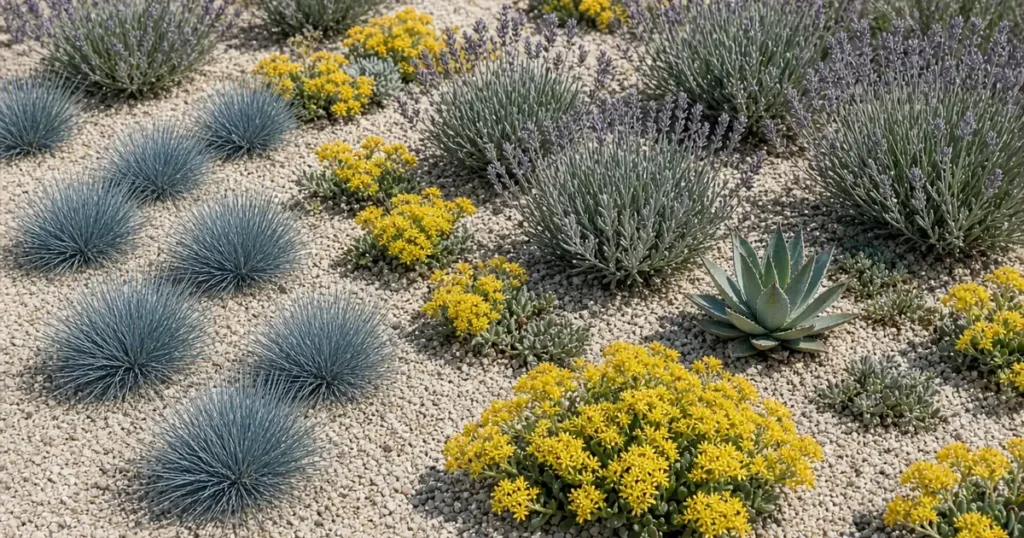
Xeric mesic hydric terms describe soil moisture on many native plant tags. Xeric mesic hydric labels mean dry, medium and wet soil. Many plants tolerate a range. Match plants to how long water sits after rain and how fast your soil drains, and they settle in with little fuss.
Once you know these three words, plant tags and native plant lists become much easier to use.
What do xeric, mesic and hydric mean?
Xeric means dry. These sites drain fast and stay dry for long stretches, like sandy slopes or sunny, rocky spots.
Mesic means medium moisture. Mesic soil stays evenly moist but not soggy, and most garden beds are mesic.
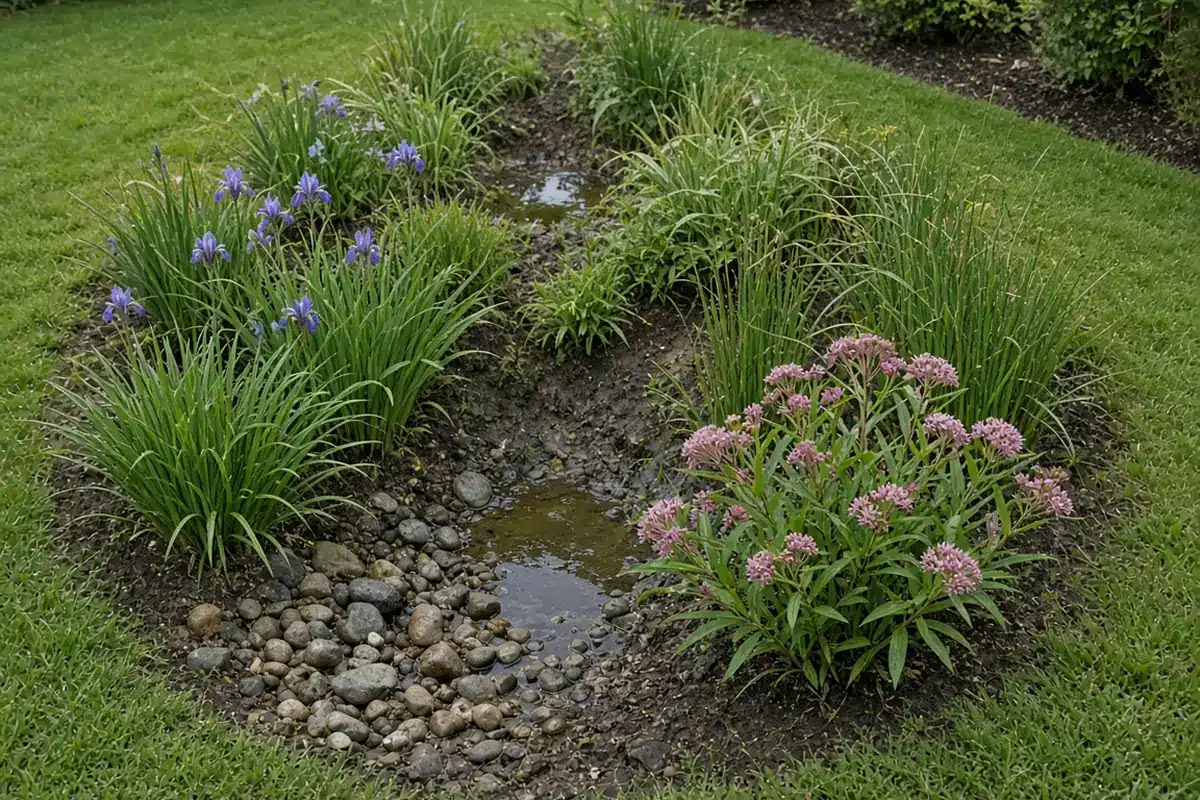
Hydric means wet or saturated. Hydric soil stays wet for long periods. Low spots, pond edges and swales are typical.
Terms like dry mesic and wet mesic fall between. Sub mesic is similar to dry mesic.
The Purdue Extension Master Gardener illustrated glossary of plant identification terminology defines many botanical terms used on tags and in plant guides.
| Term | Soil condition | Example site |
|---|---|---|
| Xeric | Dry, fast draining | Sunny slope, sandy bed |
| Dry mesic | Mostly dry, some moisture | Upland bed |
| Mesic | Evenly moist | Typical garden bed |
| Wet mesic | Moist, wet at times | Rain garden edge |
| Hydric | Wet or saturated | Low spot, pond edge |
Sources: Purdue Extension, Iowa State University Extension, University of Arkansas Cooperative Extension.
How are these terms used on plant tags?
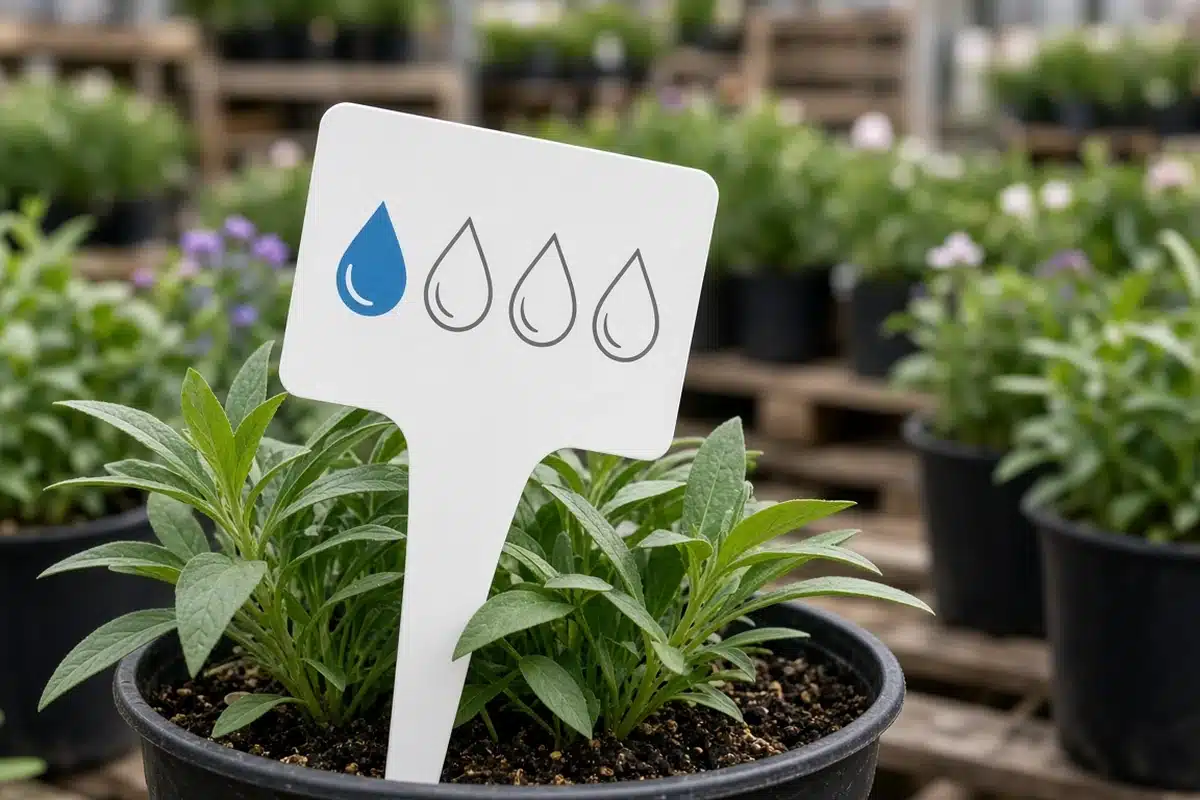
Native plant nurseries and seed lists often give each plant a moisture range. A tag might read mesic to wet mesic. That plant suits average to moist soil.
Plants with a wide range are flexible, and plants with a narrow range need a closer match.
The Iowa State University Extension Yard and Garden page on native perennials for moist to wet soils lists plants that handle wet sites.
How do you match plants to your site?
Watch your yard after rain. Note where water sits for hours or days and where soil dries fast.
Sandy soils lean xeric. Our post on sandy soil for cannabis covers how sand drains.
Check soil moisture by hand over a few days. Our post on checking soil moisture by feel explains how.
Rain gardens have zones. The bottom stays wettest, the sides are moist and the top edge is drier. The University of Arkansas Cooperative Extension list of plants for the rain garden sorts plants by zone.
Are xeric plants the same as succulents?
No. Some succulents are xeric, but many xeric plants are grasses and wildflowers adapted to dry soil.
Can hydric plants grow in normal soil?
Some can if watered well. Many struggle when soil dries.
How do I check drainage?
Dig a hole about a foot deep, fill it with water and time how fast it drains. Our post on checking drainage in grow beds walks through it.
Why do these terms matter for native plants?
Native plants evolved in specific habitats. Prairie plants from dry hills, woodland plants from moist slopes and marsh plants from wet ground each carry those needs into your garden.
Matching the moisture term can reduce wasted watering and lower stress from mismatched wetness. Plants placed well grow fuller, bloom better and spread where you want them.
How does sun interact with moisture?
A xeric plant in shade may stay wetter than it likes. A mesic plant in full sun on sandy soil may dry out. Read the light needs on the tag along with the moisture term.
What are common examples?
Butterfly milkweed and little bluestem are classic dry site plants. Purple coneflower and black eyed Susan handle mesic soil. Swamp milkweed, blue flag iris and marsh marigold suit hydric sites.
How do you handle a yard with mixed zones?
Group plants by moisture. Put thirsty plants together in low areas and dry lovers on high ground. Watering becomes simpler.
Do terms differ between regions?
Some regional guides use their own scales or add terms like dry and wet. The idea stays the same. Read the key on any plant list to see how it defines each moisture level.
How to: step by step
- Watch how your soil drains after rain.
- Note dry, medium and wet spots.
- Read the moisture term on each plant tag.
- Match xeric plants to dry spots.
- Put hydric plants in wet low areas.
- Use mesic plants where soil stays evenly moist.
Sketch a simple map of your yard with moisture zones to guide plant choices.
Troubleshooting
Plant wilts in dry spot. It’s a mesic plant. Move it to moister soil.
Roots rot in low spot. It’s a xeric plant. Move it to drier ground.
Tag lists a range. The plant is flexible. Use its middle range.
Zones change by season. Spring is wetter. Plant for the wettest and driest times.
Bed stays soggy. Drainage is slow. Pick wet mesic or hydric plants.
Matching plants to moisture zones saves water and effort. Kind Seed Co shares more garden projects in outdoor growing.
Sources
- Plant identification terminology: an illustrated glossary, Purdue Extension Master Gardener Program, Plant identification terminology
- Native perennials for moist to wet soils, Iowa State University Extension, Yard and Garden, Native perennials for moist to wet soils
- Plants for the rain garden, University of Arkansas Cooperative Extension, Plants for the rain garden
FAQ
What does sub mesic mean?
Slightly drier than mesic, similar to dry mesic.
Are xeric plants the same as succulents?
No. Many are grasses and wildflowers.
Can hydric plants grow in normal soil?
Some can with regular water.
How do I check drainage?
Fill a hole with water and time how fast it drains.
What is wet mesic?
Moist soil that is wet at times.



