
Spring Cleanup Pollinators Appreciate: When to Clear Stems and Leaves
The short answer
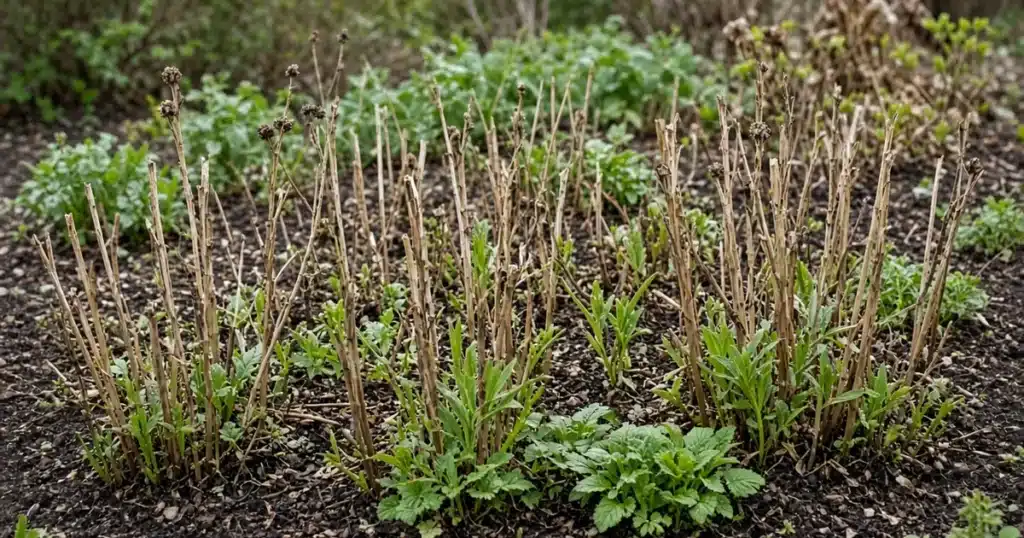
A spring cleanup pollinators can live with comes down to timing. Many native bees and other insects spend winter in hollow stems and leaf litter, so early cleanup can remove them. Wait until days stay mild, cut stems to leave tall stubs and move debris to a pile instead of shredding it.
Gardeners love a fresh start in spring. A few small changes let that start include the insects that pollinate your plants and eat garden pests.
Why does spring cleanup affect pollinators?
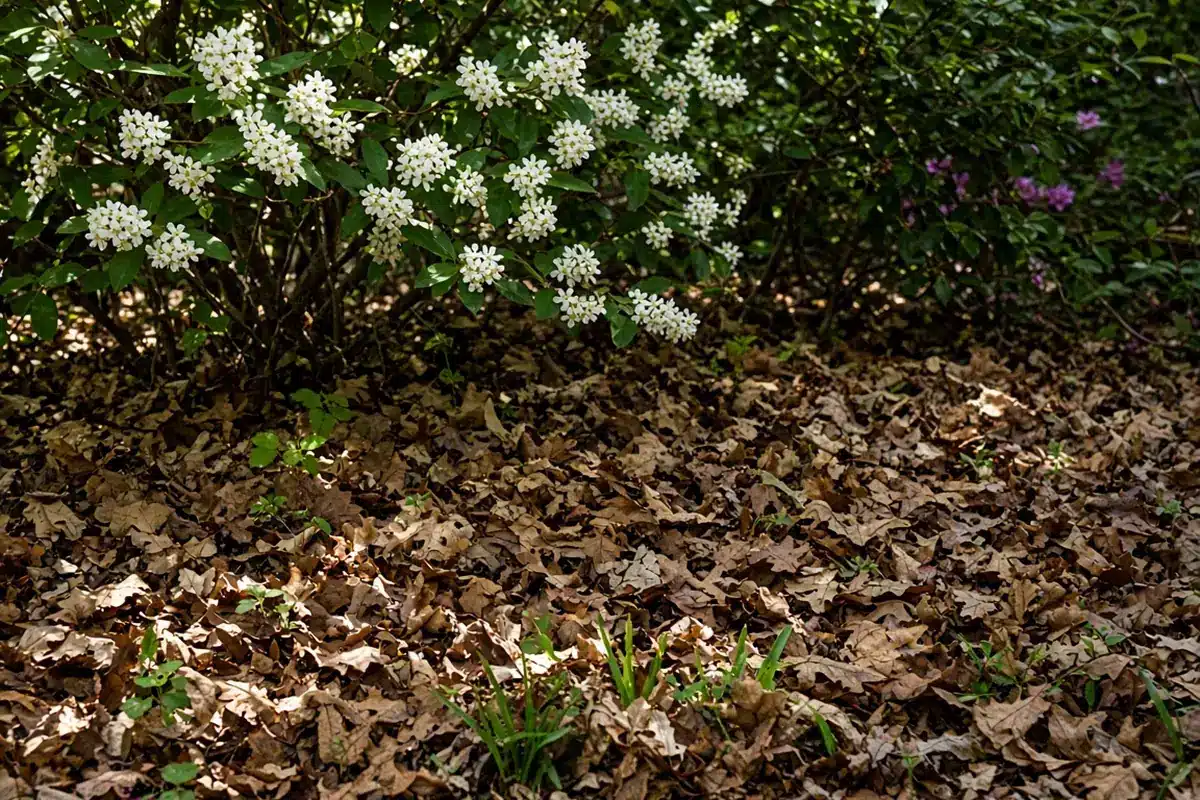
Many native bees nest in the ground, but others nest in hollow or pithy plant stems. Small carpenter bees and mason bees often use old stems of perennials and shrubs. Eggs laid the year before develop inside and emerge in spring or summer.
Butterflies, moths, beetles and other insects spend winter in leaf litter as eggs, larvae, pupae or adults. Fireflies, many moths and ground beetles all rely on that layer.
Cutting, bagging or shredding stems and leaves too early removes those insects before they emerge.
The Xerces Society article on not rushing spring garden cleanup explains which insects use stems and leaves and why patience helps them.
Our post on what roles bees play in outdoor cannabis explains how bees support gardens.
When should you clean up?
Hold off until days are reliably mild. Many guides suggest waiting until daytime temperatures stay in the 50s F for a week or more. Insects need that warmth to emerge.
The University of Maryland Extension Maryland Grows article on waiting on spring garden cleanup recommends delaying cleanup to support beneficial insects and tidying in stages.
| Task | When | Why |
|---|---|---|
| Clear paths and edges | Early spring | Leaves the yard usable |
| Cut perennial stems | After days stay mild | Lets insects in stems emerge |
| Leave stem stubs | At cutting time | New nests for bees this year |
| Move leaves to a pile | After days stay mild | Insects in leaves can finish developing |
| Shred or compost debris | Late spring or later | Most insects have left |
Sources: University of Maryland Extension, Illinois Extension, Xerces Society.
How can you tidy without harming insects?
Work in stages. Start with paths, edges and areas near the house. Leave back beds for later.
When you cut perennial stems, leave stubs about 8 to 24 inches tall. Bees can nest in the hollow stubs this season. New growth soon hides them.
The Illinois Extension article on delaying spring garden cleanup suggests leaving stubs of varied heights and stacking cut stems in a loose pile.
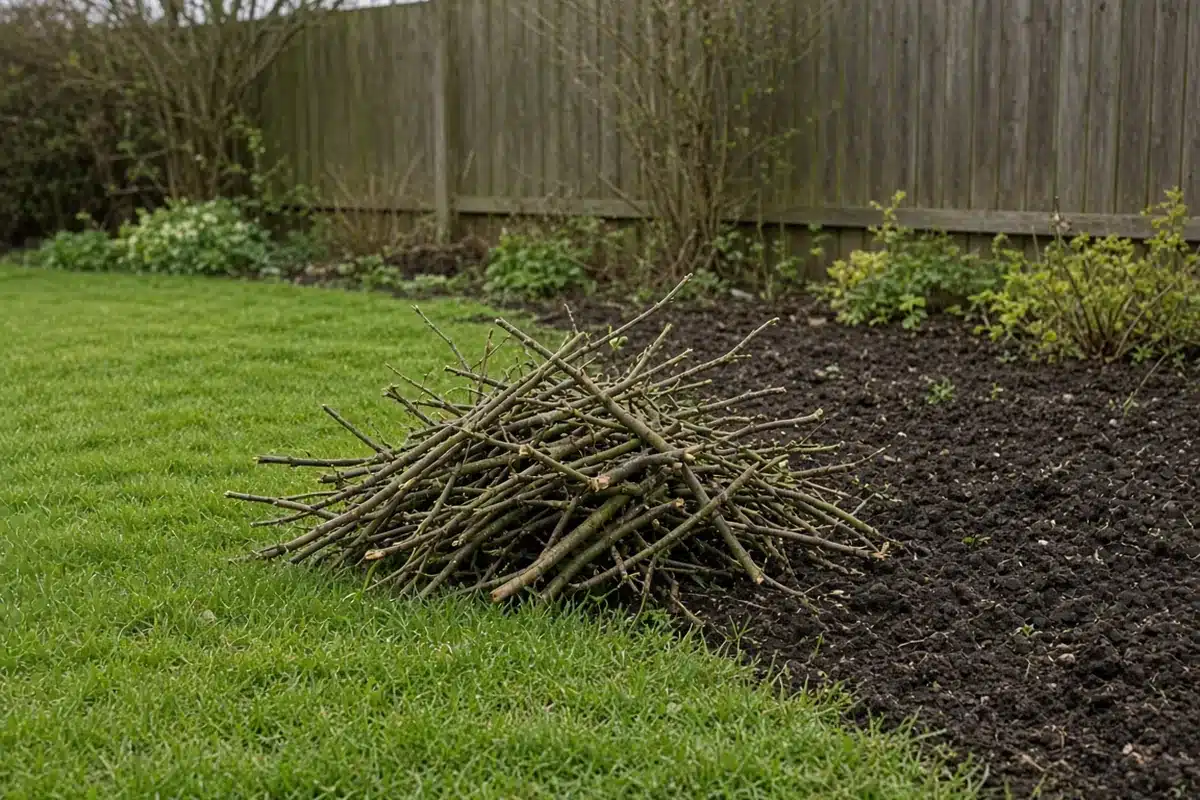
Instead of bagging leaves, rake them into a pile at the edge of the yard or under shrubs. Insects can finish developing and leave on their own.
Avoid shredding or chopping debris early. Shredding kills insects inside.
Can I compost spring debris?
Yes, later in the season. By late spring or early summer, most insects have emerged. Then compost or chop the debris.
Do leaves smother perennials?
A thick mat can slow early growth. Pull leaves back from crowns as shoots appear. Leave a thin layer as mulch.
How does fall cleanup fit in?
Leaving stems and leaves in fall gives insects winter shelter. Our post on fall garden cleanup after cannabis harvest covers end of season steps, and leaving some areas standing helps insects through winter.
Which insects help the garden?
Beyond bees, many beneficial insects eat garden pests. Lady beetles, ground beetles, lacewings and parasitic wasps all spend winter in garden debris.
Our post on bugs and insects that help a cannabis grow covers helpful insects.
How do you leave space for insects all year?
Set aside a corner of the garden that stays untouched. A brush pile, a patch of bare soil for ground nesting bees and a few standing stems make a big difference.
What should you plant to help pollinators?
Native perennials with hollow or pithy stems, such as bee balm, coneflower and goldenrod, give bees nesting spots after cutting. Elderberry and sumac do the same.
Pick plants that bloom from early spring to fall so pollinators find food all season.
How to: step by step
- Wait until days are reliably mild.
- Clear paths and edges first.
- Cut perennial stems high, leaving stubs.
- Pile leaves instead of bagging them.
- Avoid shredding debris early.
- Leave some areas untouched.
Watch for bees visiting stubs as spring warms. That’s a sign the plan works.
Troubleshooting
Messy look. Stubs were left. New growth hides them.
Few bees. Cleanup was early. Wait longer next year.
Slugs under leaves. Litter stays thick. Thin litter near tender plants.
Slow perennials. Leaves smother crowns. Pull leaves back gently.
Neighbors ask about the mess. The look is unfamiliar. Add a small sign about pollinators.
A patient spring cleanup gives pollinators and helpful insects the start they need. Kind Seed Co shares more garden projects in outdoor growing.
Sources
- Waiting on spring garden cleanup to support beneficial insects, University of Maryland Extension, Maryland Grows, Waiting on spring garden cleanup to support beneficial insects
- Delay spring garden cleanup, encourage native insects, Illinois Extension, Delay spring garden cleanup
- For pollinators’ sakes, don’t spring into garden cleanup too soon, Xerces Society, For pollinators’ sakes
FAQ
When can you start cleaning up?
Once daytime temperatures stay mild for about a week or more.
How tall should stem stubs be?
About 8 to 24 inches. Varied heights help different bees.
Can I compost spring debris?
Yes, in late spring or early summer after insects leave.
Do leaves smother perennials?
Thick mats can. Pull leaves back from crowns as shoots appear.
Should I clean up paths first?
Yes. Paths and edges can be tidied early.



